

The so-called “Justinian Plague” is remembered as one of the most devastating episodes of Antiquity. For centuries, written accounts were the only proof of its existence, until a genetic discovery in Jordan confirmed its true cause and reopened the debate about its historical impact.
Origin and Spread in the Byzantine Empire

The Justinian Plague broke out in 541 AD, starting in the Egyptian port of Pelusium before rapidly spreading through Mediterranean trade routes. Its arrival in Constantinople was especially deadly: tens of thousands died in just four months. Emperor Justinian I fell ill but survived, though the outbreak overwhelmed the Byzantine capital, leading to mass graves, towers filled with bodies, and the use of quicklime to speed decomposition.
The plague spread beyond Constantinople to Western Europe, leaving a deadly mark for two centuries until disappearing around 750 AD. Estimates suggest 30 to 50 million deaths, potentially half of Europe’s population at the time. Some historians argue it weakened the Byzantine Empire, though others note multiple causes for its decline beyond the epidemic.
Ancient DNA Confirms Yersinia pestis

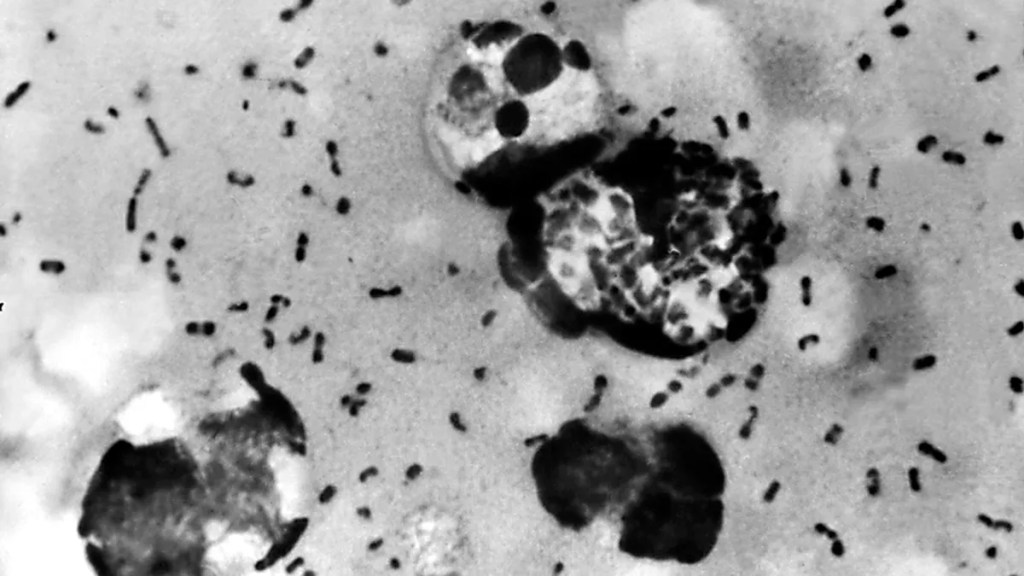
For years, Yersinia pestis—the bacterium behind the 14th-century Black Death—was suspected as the cause. Direct proof was lacking until researchers studied a mass grave under the ancient hippodrome in Jerash, Jordan, a key Eastern Roman Empire city. Genetic material from eight human teeth there revealed nearly identical Y. pestis strains, proving the bacterium’s presence in the pandemic’s early phases with extremely high mortality rates.
This first direct genetic evidence from the outbreak’s heart shows the plague as part of broader historical dynamics. Such studies reconstruct the bacterium’s evolution and societal responses to health disasters, turning the past into a tool for understanding modern epidemiological risks.
A Persistent Bacterium


Analysis of the Jerash strain compared to ancient and modern genomes shows Y. pestis lineages developed independently across times and places, from regional reservoirs resurfacing in human populations over millennia. This explains recurring outbreaks from Antiquity through the Middle Ages and into recent times.
Despite effective antibiotics today, plague deaths still occur in some regions, proving the threat lingers. Research on sites like Venice’s Lazzaretto Vecchio island highlights its persistence and evolution, akin to COVID-19’s adaptability. Understanding these historical roots is vital for academic knowledge and preparing for future pandemics.
Reference:
- MDPI Genes/Genetic Evidence of Yersinia pestis from the First Pandemic. Link
- MDPI Pathogens/Ancient Origins and Global Diversity of Plague: Genomic Evidence for Deep Eurasian Reservoirs and Recurrent Emergence. Link
COMPARTE ESTE ARTICULO EN TUS REDES FAVORITAS:

Esta entrada también está disponible en:


Discover more from Cerebro Digital
Subscribe to get the latest posts sent to your email.