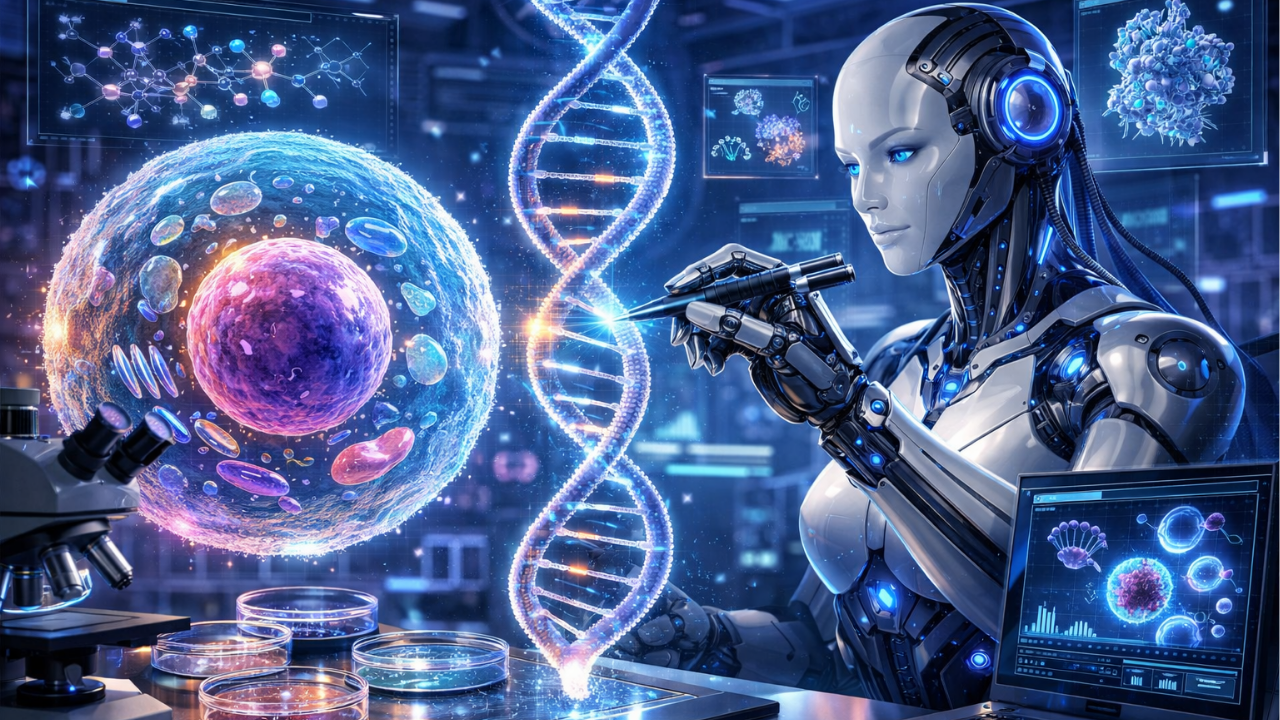

In a revolutionary breakthrough, scientists have identified never-before-seen life forms residing in the human body. These entities, called “obelisks,” challenge traditional biology notions and open new perspectives on hidden ecosystems within us.
What Are These Life Forms and How Were They Discovered?


Obelisks are unique RNA-based life forms discovered through advanced genomic analysis. Led by Nobel laureate Andrew Fire and his Stanford University team, the finding emerged from studying vast genetic databases. Using cutting-edge computational tools, researchers detected unknown patterns: small circular RNA structures unlike any known organism.
Unlike viruses, which have protein protective coats, obelisks lack this feature. Their structural simplicity, resembling viroids—infectious plant RNA molecules—marks them as an entirely new life class.
Thousands of obelisk varieties have been identified, suggesting they may bridge simpler life forms and complex organisms. This discovery highlights how much we still ignore about biological diversity in living systems.
Obelisks’ Relationship with the Human Body


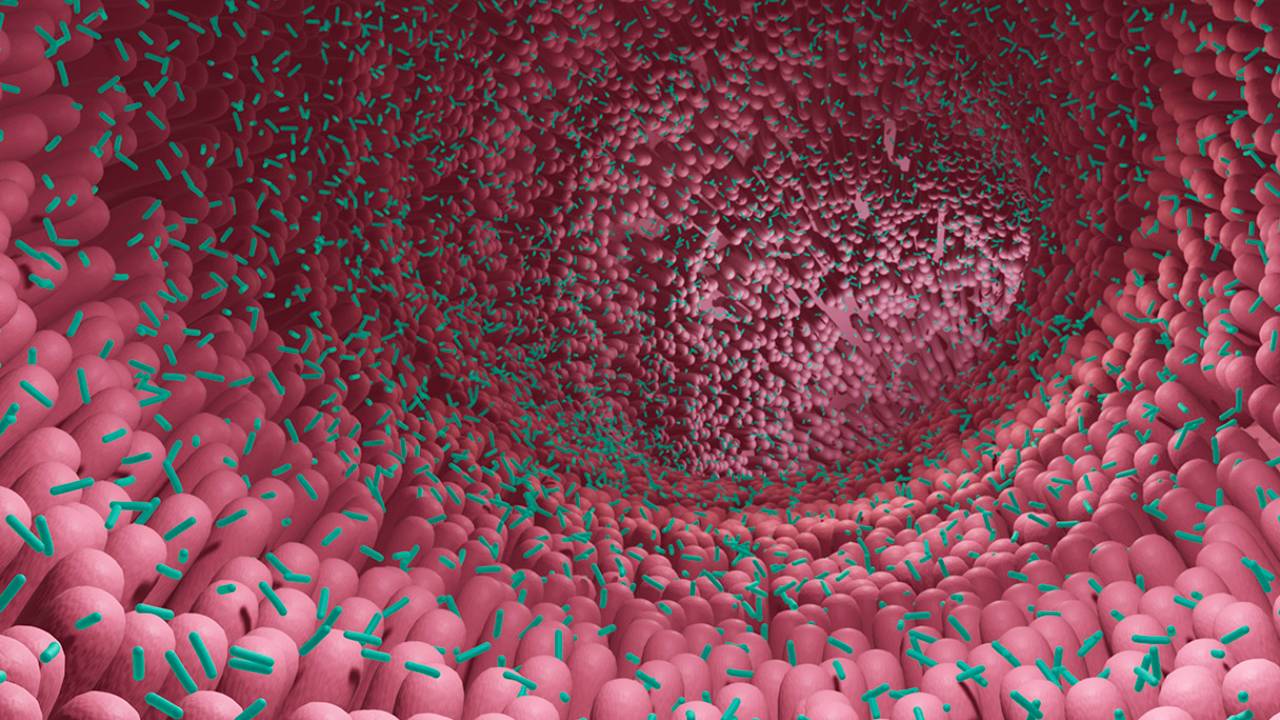
Obelisks reside in bacteria inhabiting human body parts like the mouth and gut. This suggests they play a crucial role in the human microbiome, the complex microbial community influencing various health aspects.
Though their exact function remains unclear, their symbiotic bacteria relationship could have major implications. Some scientists propose obelisks might influence bacterial behavior, indirectly affecting human processes like digestion, immune function, and metabolism.
Ohio State University’s biologist Matthew Sullivan emphasized obelisks’ potential human biology impact is poorly understood but crucial as a new layer in our complex internal ecosystem.
Scientific Implications and Research Future

Obelisks’ discovery profoundly impacts biology and medicine. Evolutionarily, they challenge traditional classification, suggesting other overlooked RNA-based organisms exist.
Their study could unlock new human microbiome understanding and health impacts. If influencing bacterial functions, they might affect microbiome-imbalance diseases like IBD or metabolic disorders.
Broader view: Obelisks raise life diversity/adaptability questions. Similar forms might exist in extreme environments—deep oceans, deserts, or extraterrestrial planets.
DOE Joint Genome Institute’s computational biologist Simon Roux noted this underscores modern genomic tools’ power revealing previously unknown life forms. As technologies advance, scientists expect even more surprising entities expanding biological knowledge boundaries.
Obelisks remind us how much remains undiscovered about living systems and human biology. This finding not only broadens microbiome understanding but redefines life’s boundaries. Exploring this new science chapter, obelisks may answer fundamental questions about our existence and interior mysteries.
Reference:
- PMC/Viroid-like colonists of human microbiomes. Link.
COMPARTE ESTE ARTICULO EN TUS REDES FAVORITAS:

Esta entrada también está disponible en:


Discover more from Cerebro Digital
Subscribe to get the latest posts sent to your email.