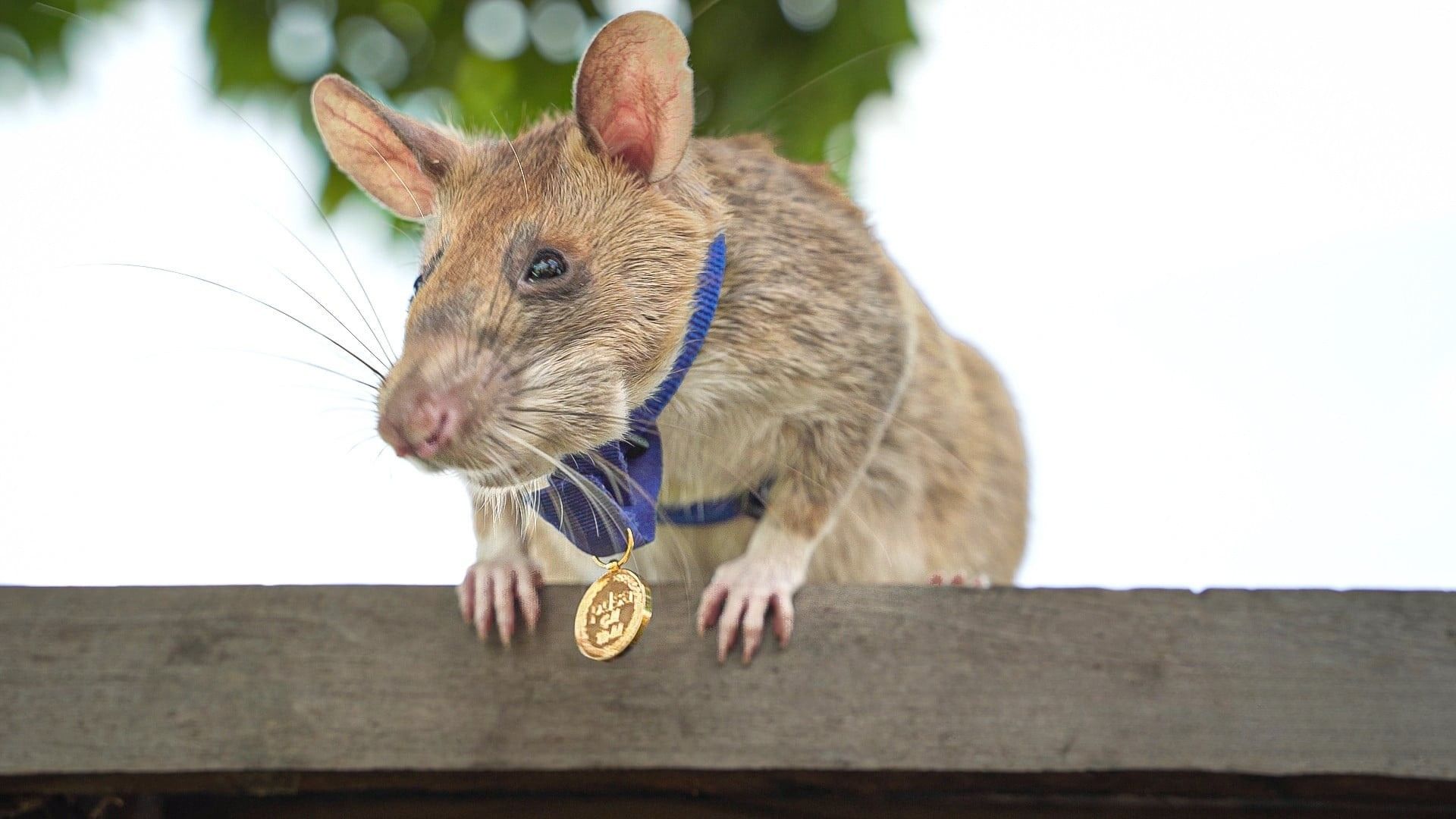
In 2020, a giant African rat named Magawa surprised the world by receiving a prestigious medal for bravery. His extraordinary work detecting landmines in Cambodia has saved countless lives, demonstrating how trained animals can play a crucial role in explosive clearance.
International Recognition for a Mine-Detecting Rat
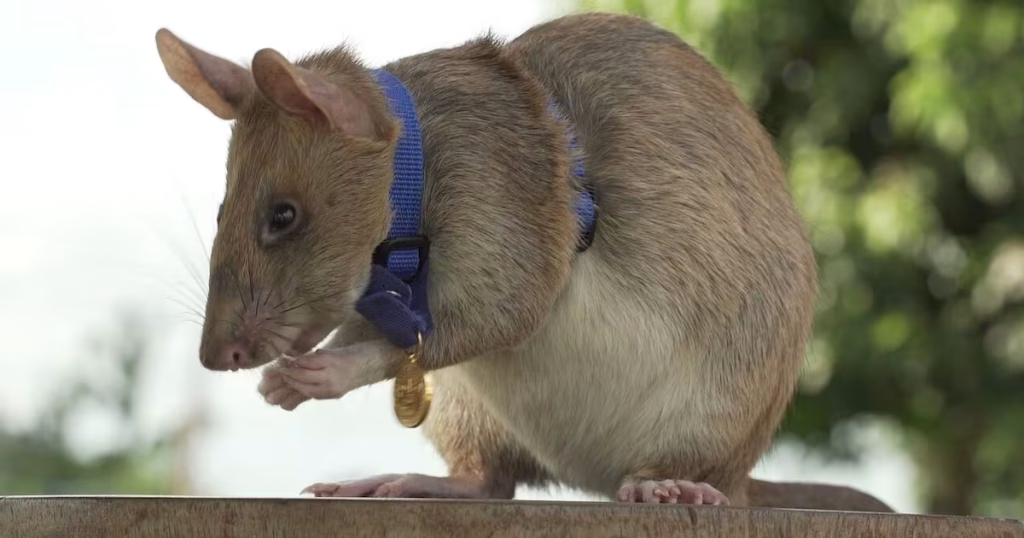
Magawa, a giant African rat, became a world symbol of bravery when he received the Gold Medal awarded by the British veterinary organization PDSA. This award is given to animals showing heroism or extraordinary dedication to duty. For Magawa, recognition came for his contribution to detecting and clearing landmines in Cambodia.
During his career, Magawa located 39 landmines and 28 unexploded ordnances. Each find significantly reduced risk for local communities living amid explosive remnants from past wars. The medal bears the inscription “For animal bravery or devotion to duty,” underscoring his work’s importance.
What made this recognition even more special is that Magawa was the first rodent to receive it. Previously, the medal had mainly gone to dogs or horses in rescue or service roles.
The Persistent Landmine Problem in Cambodia

The award also highlighted Cambodia’s ongoing landmine issue. Millions of these artifacts are estimated still buried, many placed during armed conflicts in the 1970s and 1980s. Since 1979, over 64,000 people have been injured or killed by them, with around 25,000 amputations.
In this context, Magawa’s work was not only technically impressive but deeply humanitarian. Every mine detected meant a potentially saved life.
How HeroRATs Work and Why They’re So Effective
Magawa was trained by nonprofit APOPO, a Belgium-registered entity training giant African rats since the 1990s to detect landmines and tuberculosis. These animals are called “HeroRATs” for their life-saving abilities.
Training lasts about a year, during which rats learn to identify a specific chemical compound in explosives. This allows ignoring harmless metal debris and focusing solely on mine signals.
One key advantage of giant African rats is their weight. Magawa weighed about 1.2 kilograms and measured nearly 70 centimeters long. Though much larger than many rat species, he’s light enough to walk over a mine without detonating it.
When detecting explosives, rats scratch the ground to signal location to human handlers, enabling safe specialist removal.
Their efficiency is remarkable. Magawa could clear a tennis court-sized area in just 20 minutes. A human with a metal detector might take 1-4 days for the same surface.
Rats work short periods for welfare. Magawa did tasks for about 30 minutes each morning. Despite limited hours, his productivity was extraordinary, aiding dangerous area clearance.
Thanks to initiatives like APOPO’s, communities in contaminated areas can reclaim land for agriculture, safe transit, and economic development.
Magawa’s story shows how science, animal training, and international cooperation can save lives. His exceptional mine-detection ability made this rat an unexpected hero and symbol of animals’ positive impact in humanitarian missions.
Reference:
- BBC News/Magawa the mine-detecting rat wins PDSA Gold Medal. Link
COMPARTE ESTE ARTICULO EN TUS REDES FAVORITAS:

Esta entrada también está disponible en:
 Español
Discover more from Cerebro Digital
Subscribe to get the latest posts sent to your email.