Researchers at Oregon Health & Science University developed an experimental technique that converts human skin cells into eggs capable of forming early embryos. This advance represents a potential alternative for treating infertility and opens new reproductive possibilities, though scientists warn it still requires many years of research.
Scientific Breakthrough That Could Transform Infertility Treatment
A team from Oregon Health & Science University (OHSU) demonstrated an innovative proof of concept that could change infertility treatment. The study, published in the journal Nature Communications, describes a method to convert human skin cells into functional eggs that can generate early-stage embryos.
The research offers a possible path for in vitro gametogenesis (IVG), a process to create gametes—eggs or sperm—in the laboratory. This technology could benefit millions facing fertility issues, especially women of advanced maternal age or patients who lost viable egg production after medical treatments like chemotherapy.
Dr. Paula Amato, professor of obstetrics and gynecology at OHSU School of Medicine, states the discovery could have major implications for various family types. Beyond solving infertility, it might enable same-sex couples to have children with genetic material from both partners.
Despite the excitement, researchers caution it’s in a very early phase. Experts estimate at least a decade more research before determining if it’s safe and effective for clinical trials. The scientific community views it as a key step toward new assisted reproduction methods for those seeking genetically related children.
How the Technique Converts Skin Cells into Eggs Works

The OHSU team’s method introduces “mitomeiosis,” blending mitosis and meiosis cell division processes. Lead researcher Shoukhrat Mitalipov, director of OHSU’s Center for Embryonic Cell and Gene Therapy, says they created a third cell division type once thought impossible.
Normally, mitosis produces identical cells for tissue growth, while meiosis in reproductive cells halves chromosomes for proper fertilization.
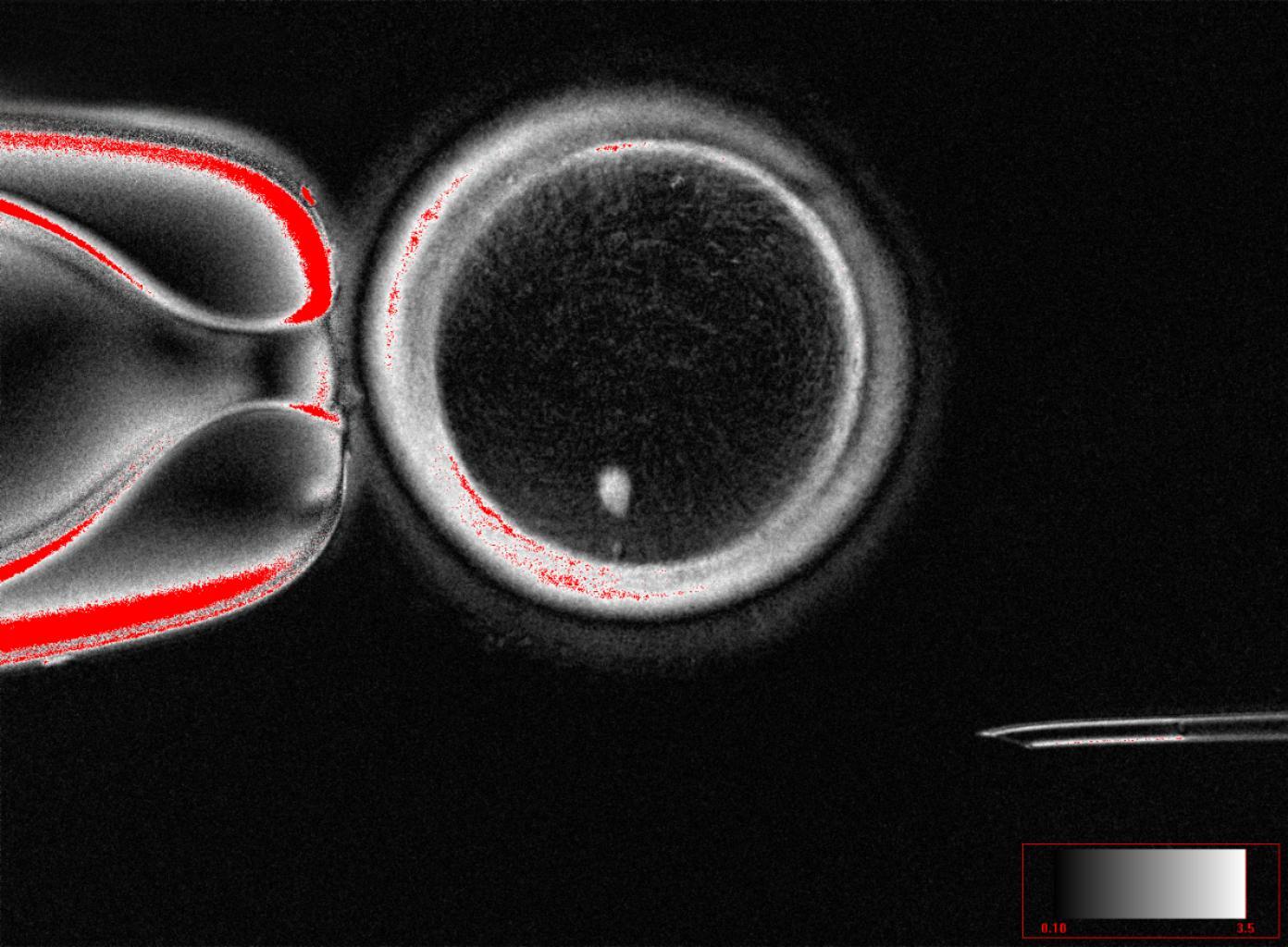
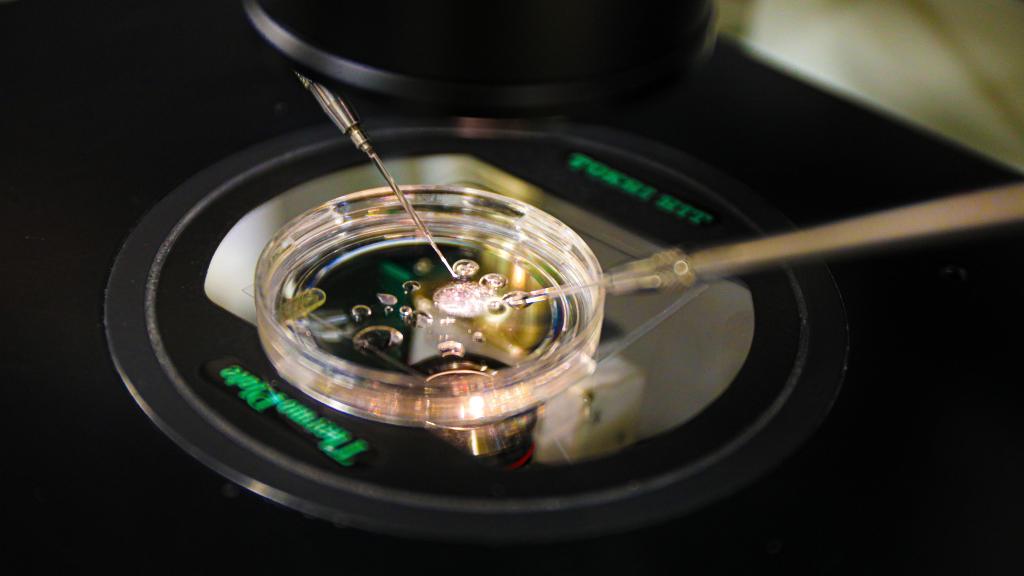
The experimental technique uses somatic cell nuclear transfer. Scientists extract a skin cell’s nucleus and insert it into a donated egg with its nucleus removed.
Inside the egg, the environment prompts the skin nucleus to discard half its chromosomes, mimicking meiosis for a 23-chromosome egg. It’s then fertilized via IVF with sperm, creating embryos with both parents’ genetics.
Researchers produced 82 functional eggs, but most embryos stalled early due to chromosomal issues. Only 9% reached the blastocyst stage, vital for early development.
The study marks progress in human fertility and assisted reproduction research. Though not yet clinical, it shows promise for lab gamete creation and expanded conception options.
Referencia:
- Nature Communications/Induction of experimental cell division to generate cells with reduced chromosome ploidy. Link
COMPARTE ESTE ARTICULO EN TUS REDES FAVORITAS:

Esta entrada también está disponible en:
 Español
Discover more from Cerebro Digital
Subscribe to get the latest posts sent to your email.