
The first dissection of the enigmatic spade-toothed whale, a cetacean so rare it’s never been sighted alive, revealed extraordinary scientific findings. This historic event at Taiari Mouth, Otago, South Island, New Zealand, advanced understanding of the species and showcased collaboration between Western science and indigenous knowledge.
Pioneering Study of the Spade-Toothed Whale

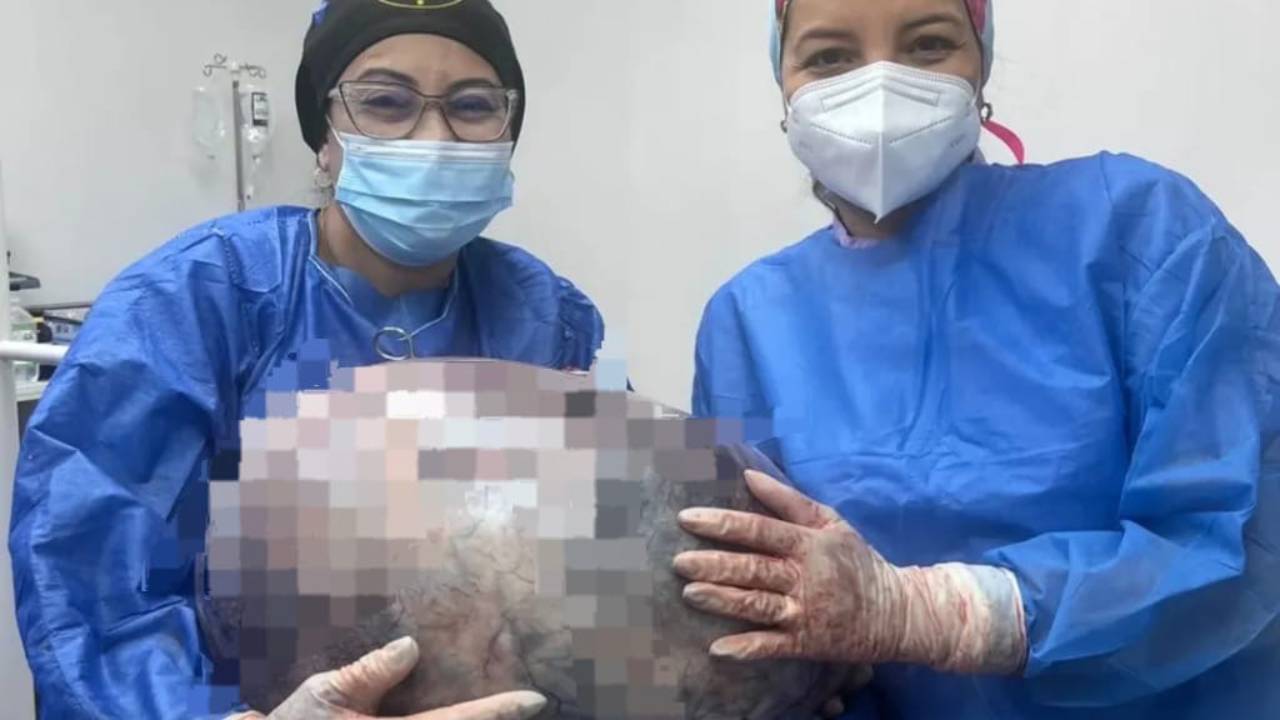
The specimen—a ~5-meter male spade-toothed whale—washed ashore in July in exceptional preservation, enabling detailed study for the first time. Previous known specimens were heavily decomposed. The dissection involved indigenous group Te Rūnanga o Ōtākou, New Zealand’s Department of Conservation (DOC), and scientists from Tūhura Otago Museum and University of Otago.
This synergy was hailed as “innovative,” respecting indigenous traditions while uniting complementary knowledge systems. The whale was named Ōnumia, honoring the traditional name of the discovery area, reaffirming Māori ties to their natural environment.
Key Findings: Nine Stomach Chambers and Vestigial Teeth

The dissection uncovered unique spade-toothed whale biology, including:
Vestigial teeth: Scientists found small teeth embedded in upper gums, akin to human wisdom teeth. This offers new clues to the species’ evolutionary history—previously unknown.
DOC spade-toothed whale expert Anton van Helden explained:
“These small teeth tell us something about their evolution. It’s surprising to see this—we simply had no idea.”
Nine stomach chambers: The cetacean’s digestive tract showed complex structure with nine stomachs containing squid remains (beaks, eye lenses) plus unidentified parasites. These aid understanding of its diet and ecology.
Possible cause of death: Head/neck bruising and broken jaw suggest cranial trauma, though trauma origin remains unknown.
Cultural and Scientific Importance of the Study

Dr. Joy S. Reidenberg, a U.S. researcher involved, emphasized integrating Māori perspectives:
“We’ve learned about the whale’s sacrality and importance to Māori people. This made the process immensely rewarding and enables greater sensitivity in future studies.”
Beyond biology, Te Rūnanga o Ōtākou‘s full involvement models pioneering collaborative science. Community rep Rachel Wesley noted the whale symbolizes unity:
“Our hapū worked with scientists to unite indigenous and Western knowledge systems. This helps us better understand the whale and its behavior.”
Future of the Research
Collected data—measurements, organ analyses, parasite studies—will publish soon under Te Rūnanga o Ōtākou oversight. Scientists view this as the beginning of spade-toothed whale research, whose evolutionary/biological mysteries are just unfolding.
Anton van Helden concluded excitedly:
“It’s a week I’ll never forget. It’s the beginning of this beautiful animal’s story.”
This study advances global beaked whale science while marking a milestone recognizing indigenous ancestral knowledge, uniting science and tradition for nature’s benefit.
Reference:
- Oceanographic Magazine/Rare spade-toothed whale has nine stomachs and ‘wisdom’ teeth. Link.
COMPARTE ESTE ARTICULO EN TUS REDES FAVORITAS:

Esta entrada también está disponible en:
 Español
Discover more from Cerebro Digital
Subscribe to get the latest posts sent to your email.