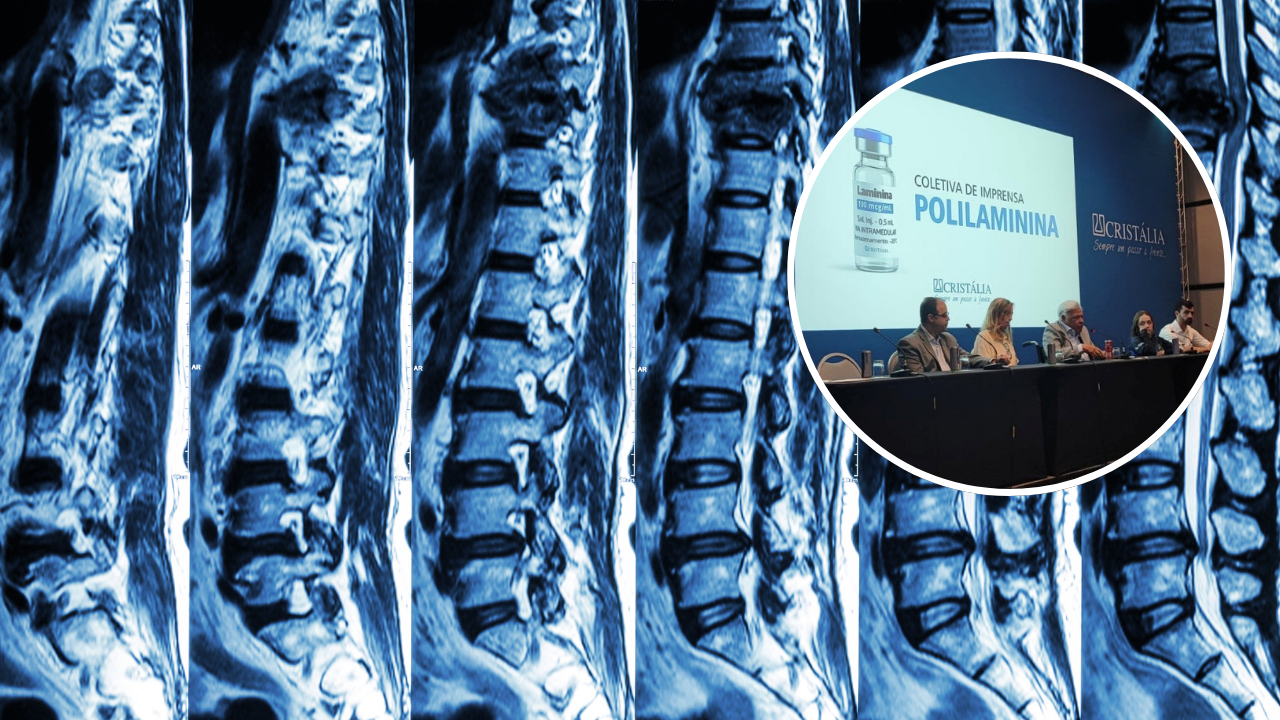
A team of Brazilian scientists from the Federal University of Rio de Janeiro has developed a drug that restores mobility to patients with spinal cord injuries. Based on poly-laminin, a protein extracted from the placenta, this advance is the result of more than 25 years of research. Although it still needs to pass regulatory tests, it opens concrete hope for thousands of people worldwide. It is published on medRxiv.
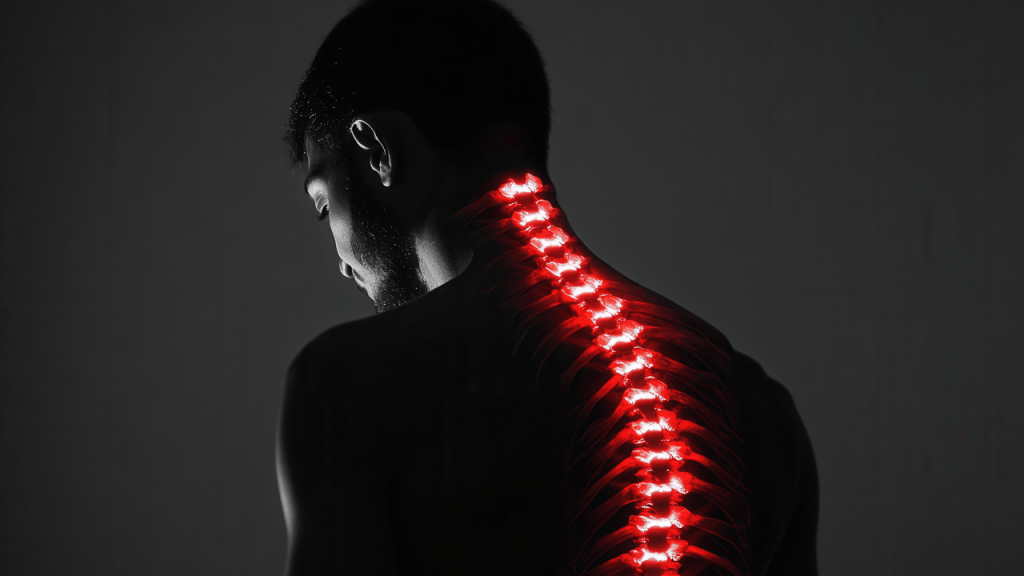
Poly-Laminin: A Protein with Reconnection Power
Poly-laminin is a protein present in embryonic development, where it plays a crucial role in facilitating communication between neurons. Over time, this protein decreases in the body, limiting the natural capacity for nerve regeneration. Researchers discovered it was possible to recreate it in the laboratory from human placentas and reintroduce it into the body.
When injected into the injured area of the spinal cord, poly-laminin stimulates axons—the longest part of neurons—to form new communication bridges. Thanks to this, electrical impulses can be retransmitted, allowing movements that previously seemed impossible.
This finding represents an unprecedented advance in regenerative neuroscience. Until now, available treatments only offered palliative care or partial rehabilitation, but none had demonstrated the ability to reactivate the neuronal connection interrupted by injury. Poly-laminin opens, for the first time, the possibility of restoring autonomy to patients who had lost hope of walking or moving independently again.
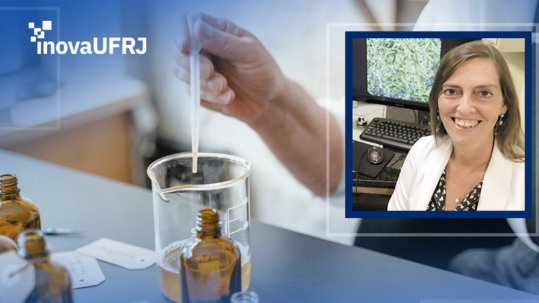
Real Stories of Hope: The First Patients
The impact of this therapy is reflected in stories like that of Bruno Drummond de Freitas. After an accident in 2018, he became tetraplegic. He participated in an academic clinical trial and, two weeks after receiving the injection, moved his big toe. That small gesture was the beginning of a surprising recovery: today he walks, climbs stairs, and even dances.
“I managed to move my big toe. When I only moved the big toe, in my head: ‘Well, what am I going to do with the big toe?'” says Bruno.
To move the big toe, we only need two neurons. One here in the brain, which communicates with the second neuron in the spinal cord, inside the spine. And another neuron that exits the spine and heads to the big toe, carrying the necessary information for its movement. What happens in an injury is that communication between these two neurons—the one here and the one inside the spine—is interrupted. What we discovered here was a way to restore this connection—explains Tatiana Coelho de Sampaio.
Other patients also achieved significant progress. Silvânia regained leg lifting and pedaling; Guilherme recovered arm and abdomen mobility; and Nilma Palmeira defied prognosis by standing again, celebrating with tears and joy. Although some cases were more complex due to injury severity, most showed progress exceeding medical expectations.
The trials were also conducted on dogs with old injuries, and more than half regained mobility. These tests provided additional evidence that poly-laminin has real potential to change lives, both human and animal.
Next Steps and the Path to Drug Approval
After two decades of research and successful trials, the drug is at a decisive stage: regulatory validation. The National Health Surveillance Agency (Anvisa) requires new clinical studies to confirm treatment safety in different scenarios and with a larger number of patients.
The responsible pharmaceutical company has already registered the patent and is preparing the official Phase 1 trials, where doses, possible side effects, and overall safety will be evaluated. Only then will it advance to broader phases to verify the drug’s efficacy on a large scale.
Experts are cautious but agree the potential is enormous. If results are confirmed, this treatment could become the first therapy capable of regenerating the spinal cord, marking a before and after in medical history and offering independence to thousands of people worldwide.
Reference:
- RETURN OF VOLUNTARY MOTOR CONTRACTION AFTER COMPLETE SPINAL CORD INJURY: A PILOT HUMAN STUDY ON POLYLAMININ. Link.
COMPARTE ESTE ARTICULO EN TUS REDES FAVORITAS:

Esta entrada también está disponible en:
 Español
Discover more from Cerebro Digital
Subscribe to get the latest posts sent to your email.