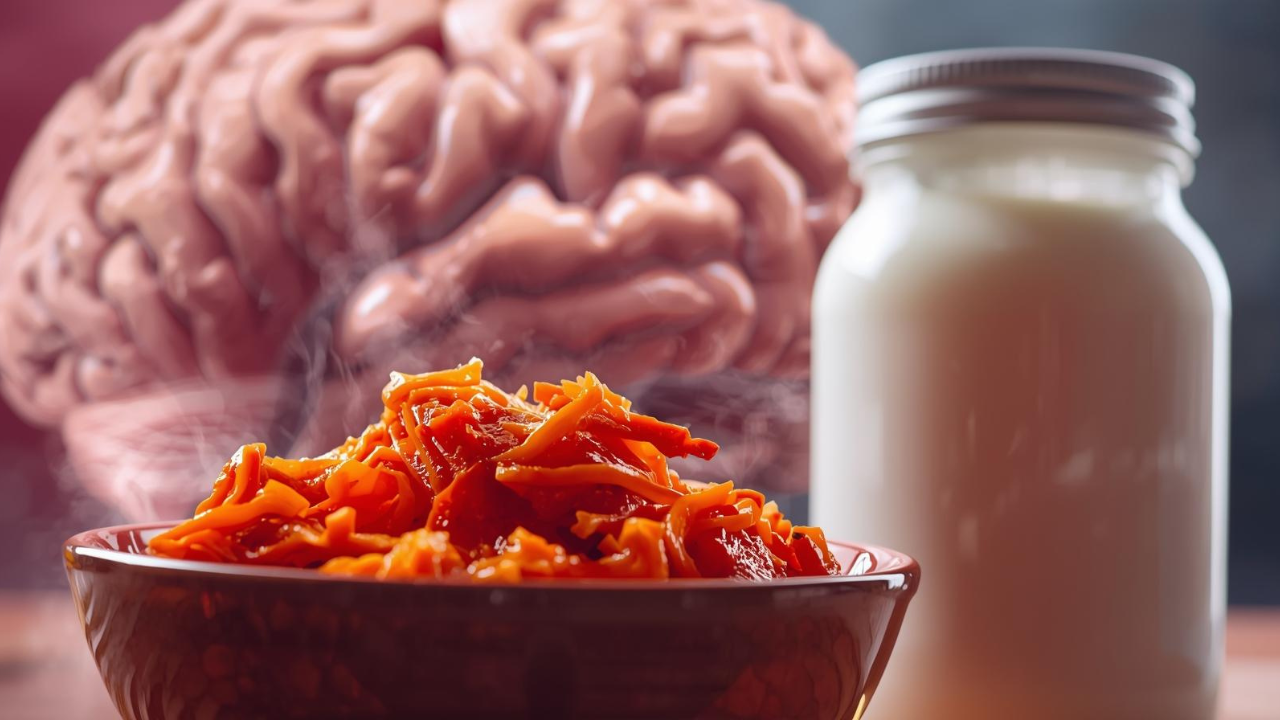
What we eat influences much more than our body: it also affects our mind. Fermented foods, present in cultures around the world, not only provide flavor and preservation but interact with the gut microbiota, modulating the gut-brain connection. A recent review published in Neuroscience & Biobehavioral Reviews suggests that incorporating them into the daily diet can improve mood, memory, and emotional well-being.

Fermented Foods Benefit the Brain from the Gut
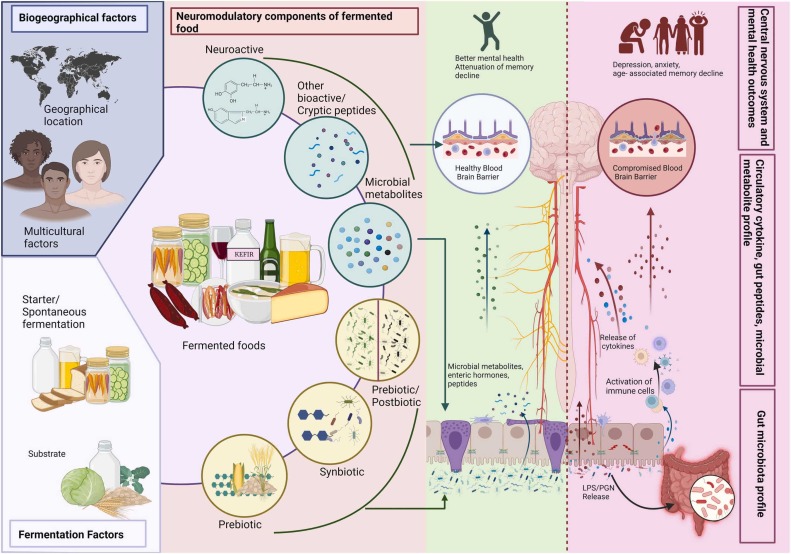
Fermented foods contain live microbes and metabolites that directly impact communication between the gut and the brain. These components strengthen both the intestinal barrier and the blood-brain barrier, regulate key hormones like serotonin, ghrelin, and GLP-1, and modulate the immune response.
By balancing the gut microbiota, positive effects are promoted on mood, memory, and concentration. The diversity of ferments (such as yogurt, kefir, kimchi, miso, or tempeh) provides different microbial strains and bioactive compounds that act in a complementary manner. This natural approach opens the door to dietary interventions that support mental health, complementing traditional emotional well-being strategies in an accessible and sustainable way.
Scientific Evidence on Mental Benefits
Preclinical and human studies show promising results. In animals, fermented dairy and vegetable products improve behaviors related to stress and anxiety and modify the gut microbiota. In humans, regular consumption of yogurt, kombucha, or kimchi has been associated with reduced anxiety and mild depression, as well as cognitive improvements, although effects vary depending on the type of food and population.
Fermented soy products, rich in isoflavones, could favor cognitive function in women. Despite challenges like microbial variability and standardization of ferments, the evidence indicates that integrating these foods into the daily diet provides emotional and cognitive benefits in a natural and delicious way.
Strategies to Incorporate Fermented Foods into Your Diet
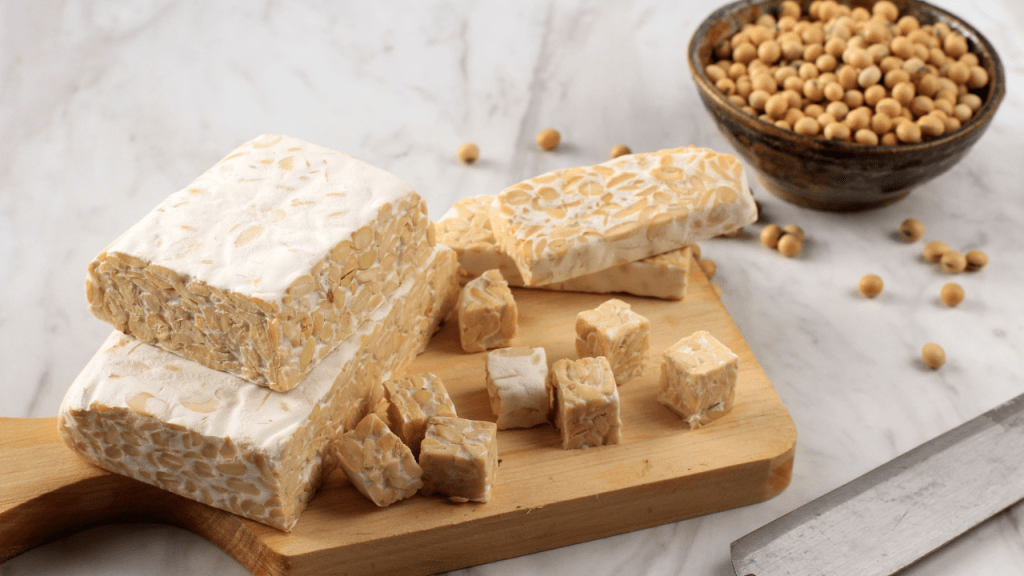
To take advantage of their benefits, it is recommended to consume varied and high-quality ferments regularly. Small daily portions of yogurt, kefir, kimchi, miso, or tempeh help keep the microbiota active and balanced. Combining these foods with fiber and prebiotics enhances their effects, as they nourish beneficial microbes. It is suggested to introduce them gradually to avoid digestive discomfort and rotate different types to maximize microbial diversity. Additionally, preparing some ferments at home allows preserving their bioactive compounds and enjoying authentic flavors. Adopting these habits makes fermented foods a practical and sustainable resource for caring for the mind through nutrition.
Fermented foods are much more than a culinary complement: they are natural allies for mental health. By balancing the gut microbiota and favoring gut-brain communication, they help reduce anxiety, improve memory, and enhance emotional well-being. Incorporating them regularly and diversely into the diet is a simple, scientific, and delicious strategy to care for the mind from the plate.
Reference:
- Fermented foods: Harnessing their potential to modulate the microbiota-gut-brain axis for mental health. Link.
COMPARTE ESTE ARTICULO EN TUS REDES FAVORITAS:

Esta entrada también está disponible en:
 Español
Discover more from Cerebro Digital
Subscribe to get the latest posts sent to your email.