Japanese scientists have made a significant discovery by confirming the presence of microplastics in clouds, shedding light on their potential impact on climate in yet-to-be-understood ways.

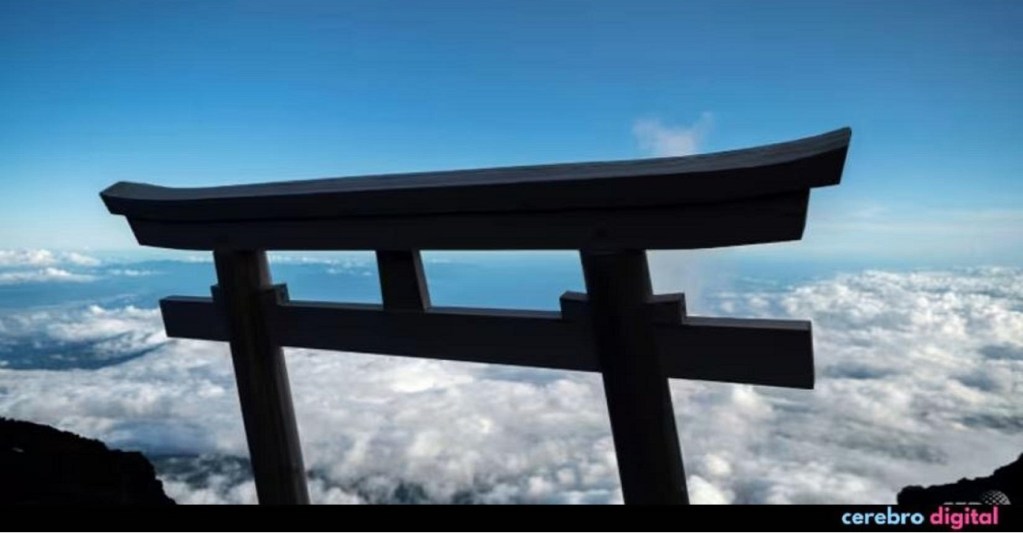
Researchers collected water from the mists surrounding the peaks of Mount Fuji and Mount Oyama and used advanced imaging techniques to analyze the physical and chemical properties of the samples. They identified nine different types of polymers and one type of rubber in the airborne microplastics, ranging in size from 7.1 to 94.6 micrometers. Each liter of cloud water contained between 6.7 to 13.9 pieces of microplastics.
Of particular significance, the study found that these microplastics included “hydrophilic” or water-loving polymers, suggesting their role in rapid cloud formation and, consequently, climate systems.
Lead author Hiroshi Okochi of Waseda University emphasized the potential consequences of not addressing “plastic air pollution,” warning of future environmental damage, climate change, and ecological risks. When microplastics reach the upper atmosphere and are exposed to sunlight’s ultraviolet radiation, they degrade, contributing to greenhouse gas emissions.
Microplastics, which are plastic particles under 5 millimeters in size, come from various sources, including industrial effluent, textiles, synthetic car tires, personal care products, and more. While their presence has been observed in the deepest parts of the ocean, Arctic sea ice, and mountain snows, the mechanisms of their transport, especially in the air, have remained unclear.
The study represents a crucial step in understanding the presence and effects of airborne microplastics, as previous research has been limited in this area. The emerging evidence linking microplastics to health impacts, environmental harm, and their role in climate systems underscores the urgency of addressing plastic pollution.
COMPARTE ESTE ARTICULO EN TUS REDES FAVORITAS:

Esta entrada también está disponible en:
 Español
Discover more from Cerebro Digital
Subscribe to get the latest posts sent to your email.