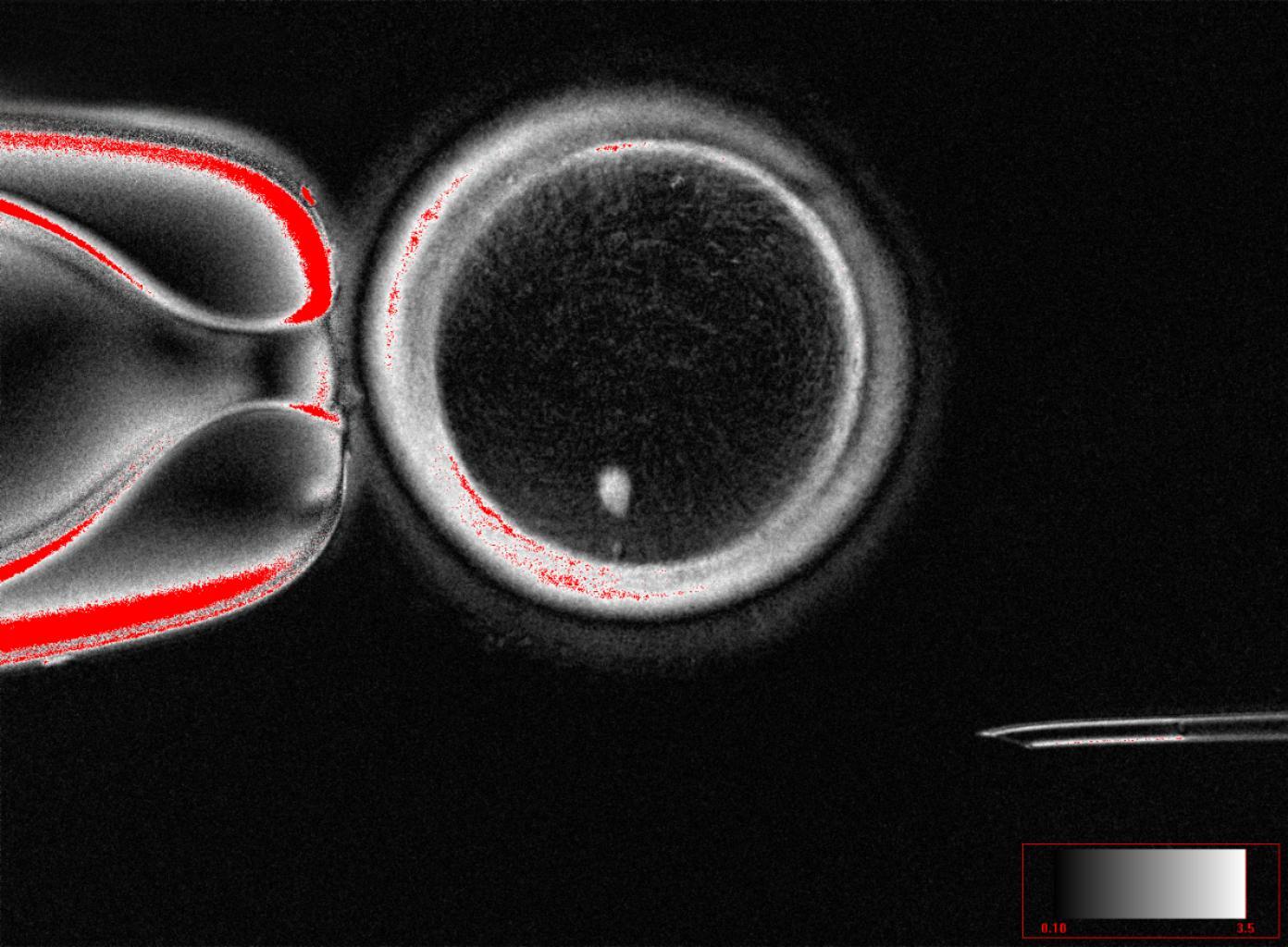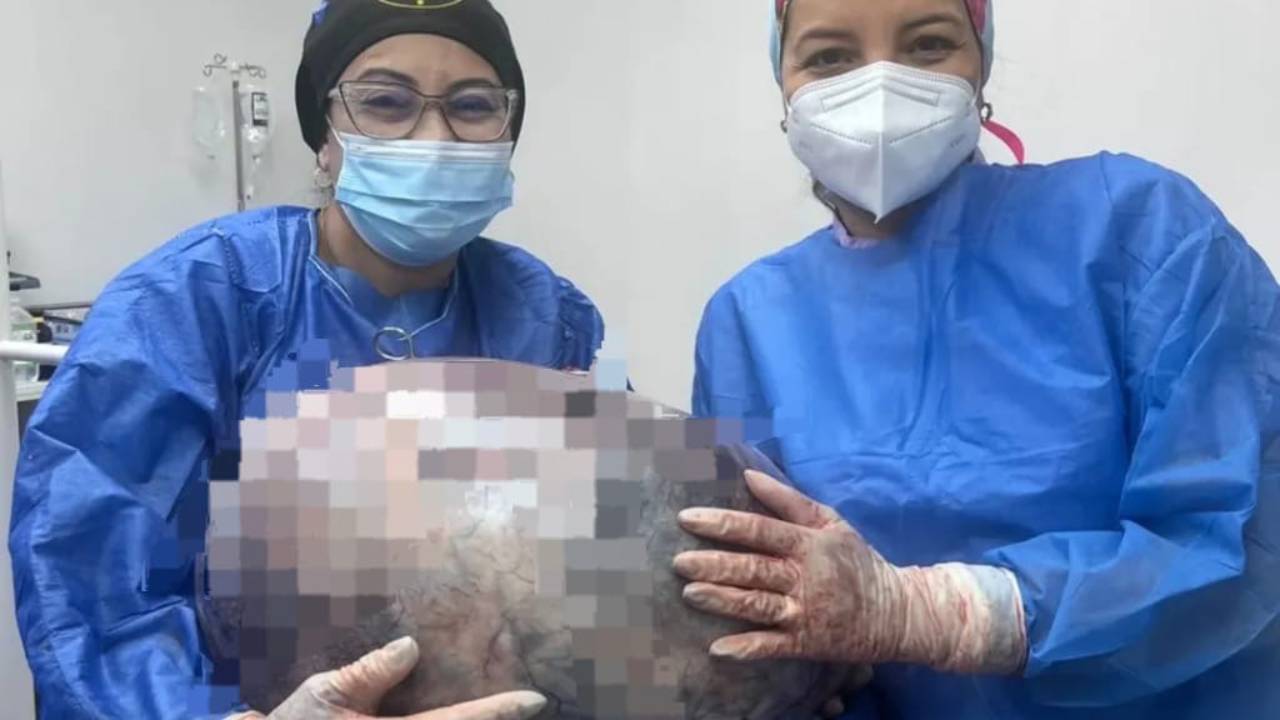

Wisdom teeth, often seen as useless or problematic, hide a surprising potential. Their dental pulp contains stem cells capable of transforming into functional neurons. This discovery could revolutionize regenerative medicine to treat brain diseases, positioning these teeth as valuable resources rather than mere surgical waste.
Stem Cells Hidden in Wisdom Teeth

Wisdom teeth are usually extracted for orthodontic or inflammatory reasons, and they’re rarely considered important once removed. However, inside lies dental pulp—a gelatinous substance rich in stem cells with immense therapeutic potential. Unlike embryonic stem cells, which raise ethical concerns, or induced pluripotent stem cells (iPSCs), which require complex manipulation and pose certain risks, dental stem cells are accessible, ethically neutral, and safe.
Their extraction is simple, involving minimal intervention, and no adverse effects such as tumor formation have been reported. This makes them particularly attractive for medical use. These cells have the ability to differentiate into various cell types, including neuronal lineages, which opens the door to regenerating damaged tissues in the central nervous system.
With a global population that is aging and a rise in neurodegenerative diseases such as Alzheimer’s, Parkinson’s, and stroke, these cells appear to be a key tool for future regenerative therapies. Numerous research groups around the world are currently studying how to use them to restore lost brain function and improve neural connectivity.
This once-overlooked potential turns wisdom teeth into an unsuspected source of health, where previously we only saw clinical waste.
Can They Function Like Real Neurons?
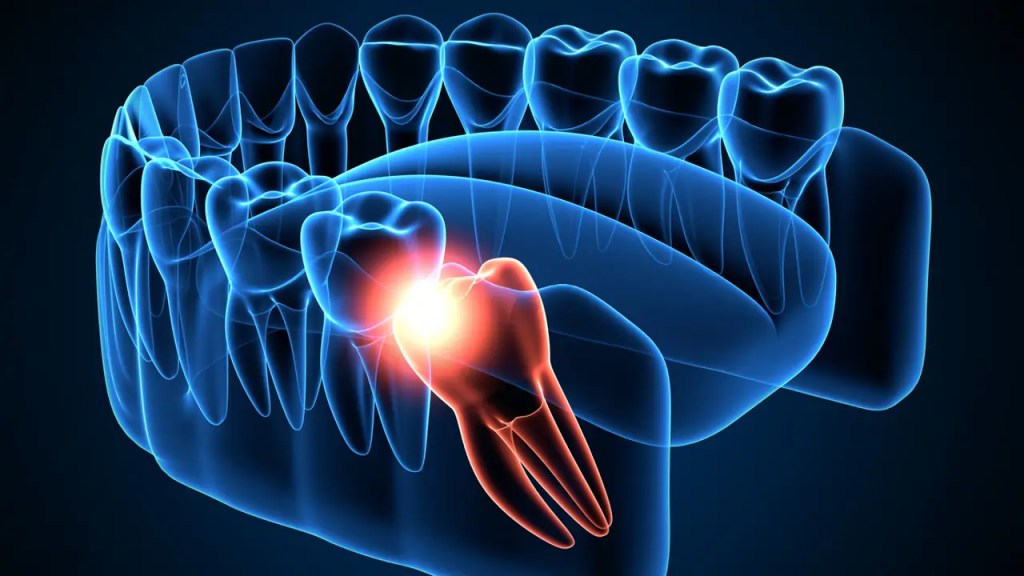
Getting a stem cell to resemble a neuron under the microscope is a first step—but the real test lies in functionality. Neurons don’t just look a certain way; they possess a complex inner machinery that allows them to generate electrical impulses—called action potentials—that are essential for transmitting information in the brain. These impulses form the basis of thought, perception, and memory.
Previous studies had shown that stem cells from wisdom tooth pulp could acquire neuronal features in shape and express certain markers. However, it had not yet been proven that they could generate electrical activity, a key requirement for any therapeutic use.
This changed recently, thanks to a team of researchers from the University of the Basque Country (UPV/EHU), who developed a protocol that successfully induced the proper electrophysiological behavior in these cells. For the first time, they managed to get them to generate action potentials, meaning they behaved like real neurons capable of responding to and transmitting electrical signals.
This breakthrough is a milestone. It is not just a superficial transformation, but a genuine functional conversion. Moreover, these lab-grown neurons demonstrated sufficient electrophysiological competence to communicate with other nervous system cells—suggesting they could be integrated into the brain’s neuronal circuits.
This capacity makes wisdom tooth stem cells viable candidates for future neuronal transplants, opening a new path in regenerative brain medicine using cells extracted from our own teeth.
Smart Biomaterials: The Future’s Cellular Instructors

Beyond the stem cells themselves, a key factor in their cellular fate is the environment that surrounds them. This is where a new scientific field called “materiobiology” comes in—studying how different biomaterials can guide cell behavior and promote their differentiation. Depending on the physical and chemical properties of the material in which they are grown, cells can “understand” what type of cell they should become.
For example, if placed on a hard surface similar to bone, stem cells tend to become osteoblasts. In contrast, when grown on soft, conductive materials resembling brain tissue, they tend to become neurons. This knowledge allows researchers to design specific environments that optimize cellular differentiation for therapeutic purposes.
For wisdom tooth stem cells, combining them with the right biomaterials could further enhance their ability to integrate into the brain. Imagine a custom-made implant, built from smart materials, that instructs these cells to become neurons and delivers them directly to brain areas damaged by a stroke or neurodegenerative disease.
In addition, since these are autologous cells—extracted from the patient’s own body—the risk of immune rejection is minimal. This would enable the development of personalized, less invasive, and more effective therapies, something increasingly necessary given the rising number of brain disorders worldwide.
The future of medicine may lie at the intersection of cell biology and materials science. And surprisingly, one of its key players could be a tooth we used to discard without a second thought.
Wisdom teeth, traditionally seen as biological waste, may hold invaluable promise for the medicine of tomorrow. Their stem cells, now proven capable of becoming functional neurons, offer new hope against complex neurological diseases. Turning the disposable into the therapeutic is a revolution that has already begun.
Reference:
- Stem Cell Research & Therapy/Functional differentiation of human dental pulp stem cells into neuron-like cells exhibiting electrophysiological activity. Link
COMPARTE ESTE ARTICULO EN TUS REDES FAVORITAS:

Esta entrada también está disponible en:
 Español
Discover more from Cerebro Digital
Subscribe to get the latest posts sent to your email.