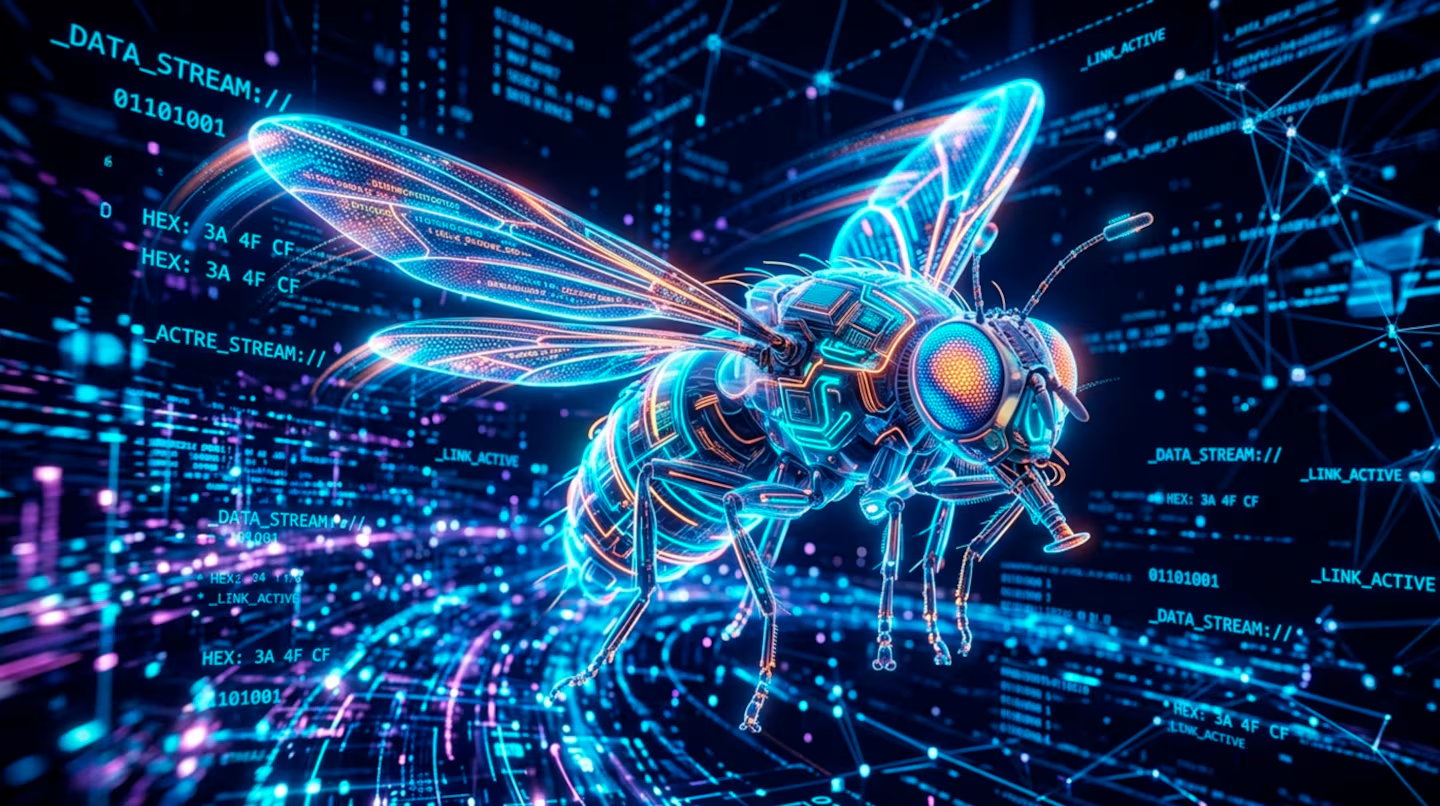

Every year, more than a million people die because of the deadliest animal in the world. It’s not a giant predator or an exotic venomous creature, but a tiny, everyday insect: the mosquito. And its threat is far from diminishing.
A Killer Animal, Invisible and Underestimated

When we think of lethal animals, the first things that come to mind are sharks, bears, or venomous snakes. However, the numbers reveal a different reality. While sharks kill about 10 people a year, and bears barely one on average, the mosquito claims more than a million lives annually. That figure far surpasses any other animal on the planet.
But how can such a small insect have such a devastating impact? The answer lies in its role as a disease vector. Mosquitoes don’t kill directly: they do so through the parasites and viruses they transmit. Malaria, for example, is responsible for nearly 600,000 deaths a year, most of them among children under five years old and pregnant women in tropical regions.
The disease is caused by the Plasmodium parasite, which enters the human body through the bite of an infected Anopheles mosquito. Once inside the body, it invades red blood cells and multiplies, causing fever, chills, anemia, and, in many cases, death.
Snake bites, for example, cause around 140,000 deaths a year and are considered a “neglected tropical disease” by the WHO. However, even that number falls short of the mosquito’s impact. Other minor threats, like venomous spiders, cows, or even coconuts falling from trees, kill more people than the predators feared by Hollywood.
The mosquito, far from being a mere nuisance, is a global health threat of the first order. And the outlook could worsen with climate change, which is expanding its habitat to regions previously free of its presence.
Diseases Under Its Wings: Malaria, Dengue, and More

The repertoire of diseases transmitted by this tiny animal is as varied as it is dangerous. Malaria is the deadliest, but not the only one. Dengue, a viral infection, is also common in tropical and subtropical areas and has begun to emerge in regions like the southern United States and Europe, particularly France. Although generally not fatal, dengue can cause high fever, severe muscle pain, and, in severe cases, internal hemorrhages.
Another relevant infection is the West Nile virus, transmitted by Culex genus mosquitoes. Although it rarely causes death, it can trigger neurological complications in about 1% of those infected, making it a silent threat. Unlike malaria, there is currently no specific treatment for this infection, which makes its control difficult.
Added to this are diseases like Zika and chikungunya fever, both transmitted by the Aedes aegypti mosquito, which also spreads dengue. These diseases, though less lethal, can have lasting effects on health, such as neurological damage or pregnancy complications, like microcephaly in the case of Zika.
The mosquito’s impact as a vector is not limited to the Global South. With globalization and climate change, diseases transmitted by this insect are crossing borders. Infected travelers can bring malaria to countries where it is not endemic, like the United States or parts of Europe. There, the presence of local mosquitoes can trigger unexpected outbreaks.
This poses an increasingly urgent health challenge. It’s not just about fighting the mosquito in regions where it has traditionally wreaked havoc, but preventing its expansion to new areas, with vulnerable populations and health systems unprepared to face it.
A Global Fight Against a Tiny Enemy
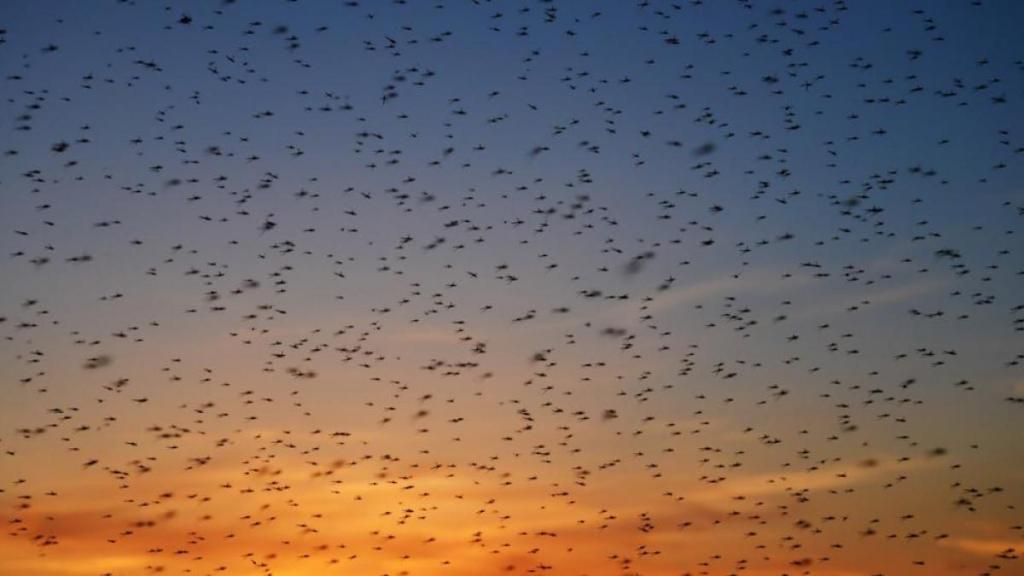
There are multiple initiatives aimed at reducing the mosquito’s impact on public health. From insecticide-treated mosquito nets and vaccination campaigns to biotechnology research seeking to genetically modify mosquitoes to reduce their ability to transmit diseases.
The American Mosquito Control Association estimates that deaths from this insect exceed one million a year, although other sources suggest the real figure could reach two or even three million, considering underreporting and lack of access to diagnostics in many regions.
This little animal is an extremely efficient biological killing machine. Its ability to adapt, reproduce quickly, and use humans as a food source makes it nearly impossible to eradicate completely. Even small accumulations of water can serve as breeding grounds, complicating control strategies in densely populated urban areas.
In this context, climate change becomes a critical factor. Rising temperatures and altered rainfall patterns are expanding habitable zones for mosquitoes, taking them to regions where they previously could not survive. This could trigger an unprecedented expansion of diseases like malaria or dengue to new latitudes.
The fight against the mosquito, therefore, is a constant race between science, technology, and ecological adaptation. It’s not enough to kill the animal: we must anticipate its spread, educate communities, strengthen health systems, and adapt strategies to changing realities.
Reference:
- AMCA/Vector-borne Diseases. Link
COMPARTE ESTE ARTICULO EN TUS REDES FAVORITAS:

Esta entrada también está disponible en:
 Español
Discover more from Cerebro Digital
Subscribe to get the latest posts sent to your email.