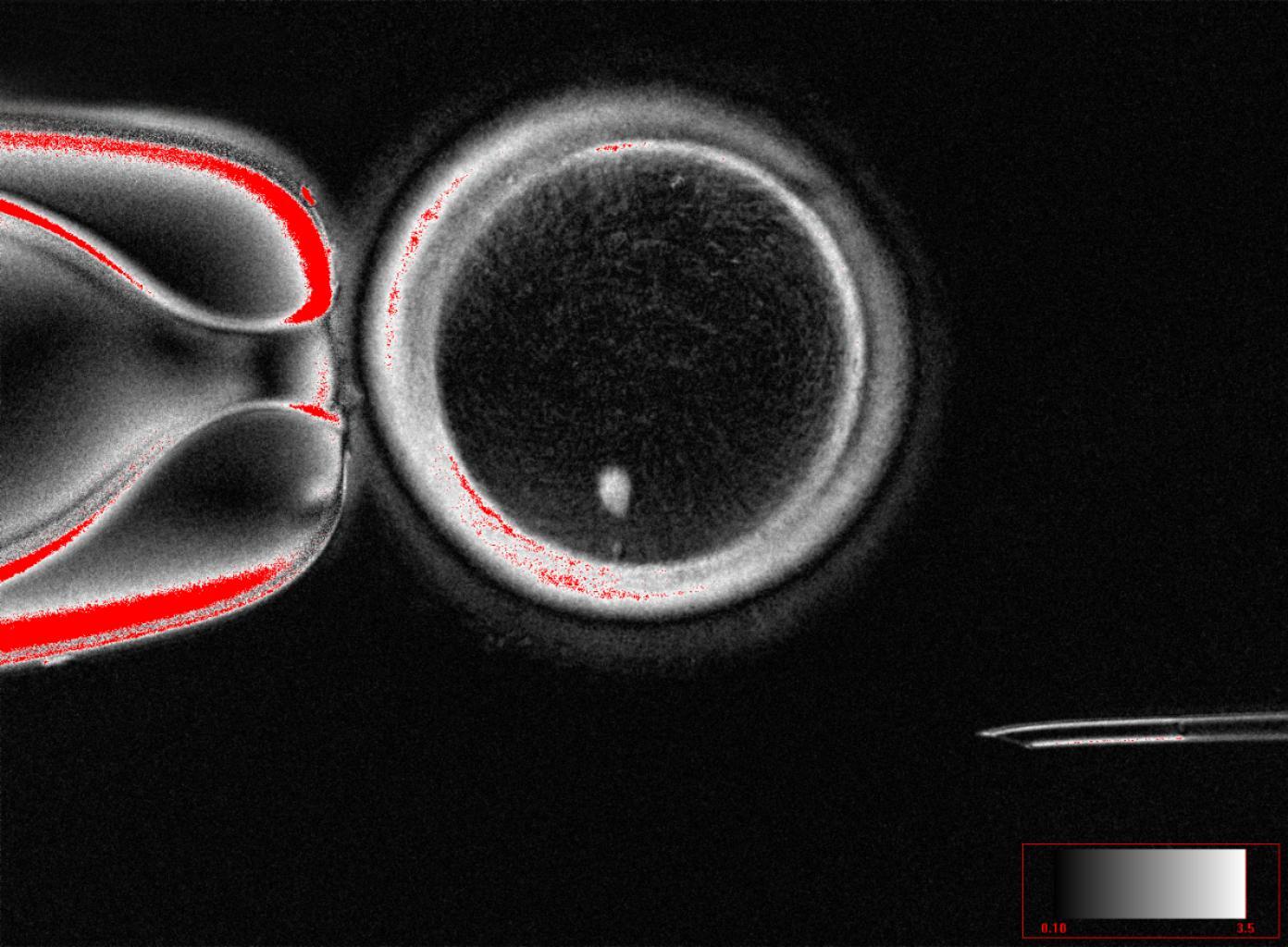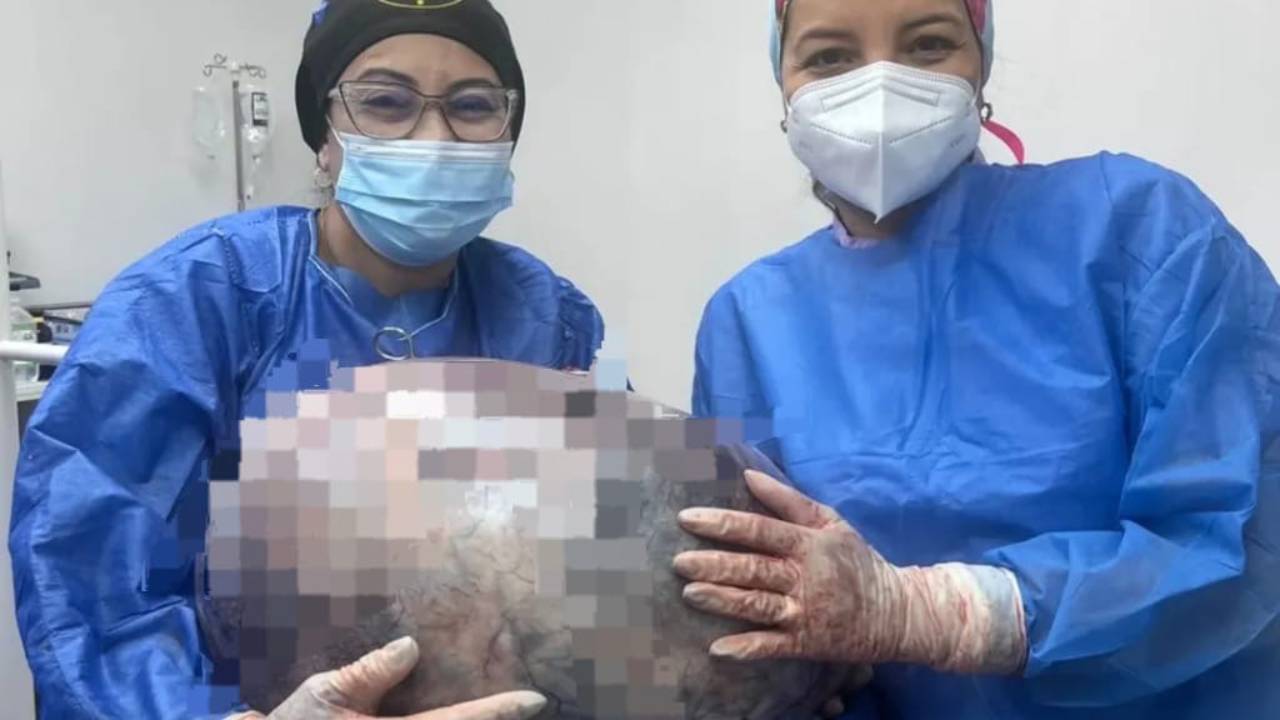

This revolutionary medical breakthrough marks the beginning of a new era. By using specialized enzymes, scientists have successfully converted a Type A kidney into a Type O organ. This milestone promises to eliminate deadly waiting lists and transform organ donation into a universal global system.
The Science of Enzymatic Kidney Conversion

The process that has astonished the international medical community is based on a kind of high‑precision “molecular cleansing.” Researchers at the University of British Columbia in Canada, in collaboration with experts from China, have refined the use of enzymes to modify the biological identity of an organ. These enzymes act like biological scissors that cut antigens—sugars located on the surface of the kidney’s blood vessels that determine blood type.
By removing these type A markers, the organ becomes essentially neutral. This means that the recipient’s immune system no longer recognizes it as a foreign body based on blood incompatibility. In the clinical experiment, a modified kidney was used in a brain‑dead patient. The results were remarkable: the organ functioned successfully for several days, demonstrating that it is possible to “mask” the donor’s identity to avoid immediate rejection.
This procedure is not only a technical feat but also a practical solution to a complex biochemical problem. Previously, incompatible transplants required costly and risky desensitization processes that often failed. The ability to transform the organ before transplantation through enzymatic perfusion simplifies medical logistics and drastically increases the safety of the recipient patient, opening the door to a much more efficient and personalized transplant medicine, eliminating barriers that were once insurmountable for modern science.
Impact on the Global Organ Shortage
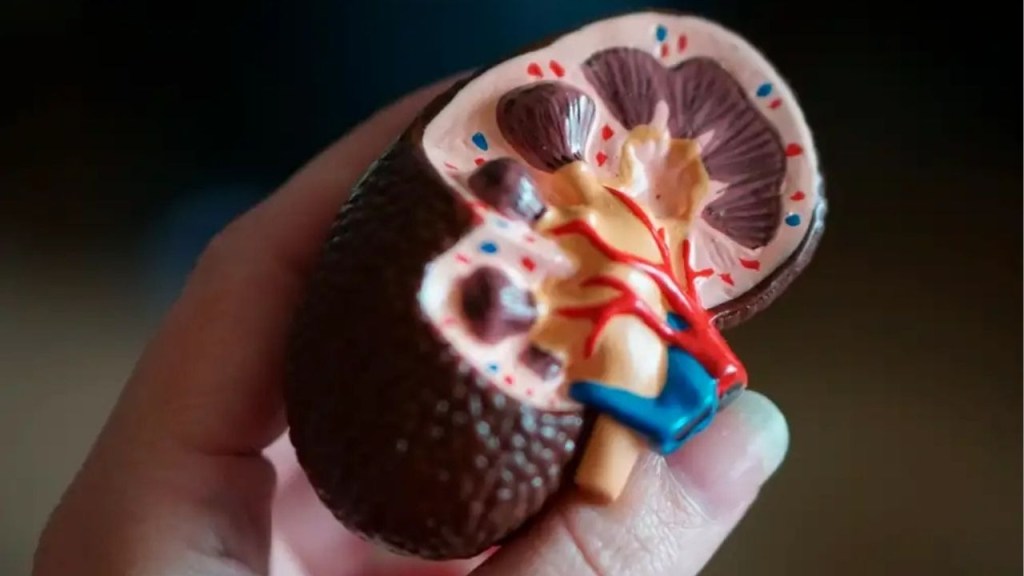
The organ shortage crisis is a devastating reality; in the United States alone, approximately 11 people die every day while waiting for a kidney. Patients with type O blood are the most affected, as they face the longest wait times due to being compatible only with donors of their same blood group.
This technological breakthrough has the potential to level the playing field and offer distributive justice in global public health. By converting any donated kidney into a universal organ, the rigidity of current waiting lists effectively crumbles. Every donation becomes a viable opportunity for any patient, regardless of their blood type.
This would significantly reduce the need for aggressive immunosuppression, which often results in severe long‑term side effects. Optimizing the available organ inventory would allow hospitals to respond much more quickly to critical medical emergencies. The economic savings for healthcare systems would be massive, reducing costs associated with dialysis and lengthy postoperative complications.
Toward a Future of Total Compatibility
The success of this clinical trial in humans is the necessary bridge between laboratory theory and hospital practice. Although the study observed that some blood type markers began to reappear slightly after 72 hours, the reduced immune response is an extremely positive indicator. This phenomenon allows scientists to adjust enzymatic doses or maintenance protocols to ensure the long‑term stability of the organ.
The ultimate goal is for this technology to become a standard in transplant centers worldwide. Perfecting this method would mean that the biological identity of a kidney would no longer be an obstacle to saving a life. We are facing a clear roadmap aimed at eliminating the months of preparation currently endured by the most critical patients.
The collaboration between Canada and China to achieve this objective underscores the importance of global science in solving problems that know no borders. In the coming years, extended clinical trials are expected to confirm viability in living patients who need a transplant.
This historic discovery represents hope for thousands of people. The ability to create a universal kidney through enzymes is the most significant breakthrough in decades. By overcoming blood type barriers, science is one step closer to ensuring that no one dies waiting for a compatible organ.
Reference:
- Nature Biomedical Engineering/Enzyme-converted O kidneys allow ABO-incompatible transplantation without hyperacute rejection in a human decedent model .Link
COMPARTE ESTE ARTICULO EN TUS REDES FAVORITAS:

Esta entrada también está disponible en:
 Español
Discover more from Cerebro Digital
Subscribe to get the latest posts sent to your email.