
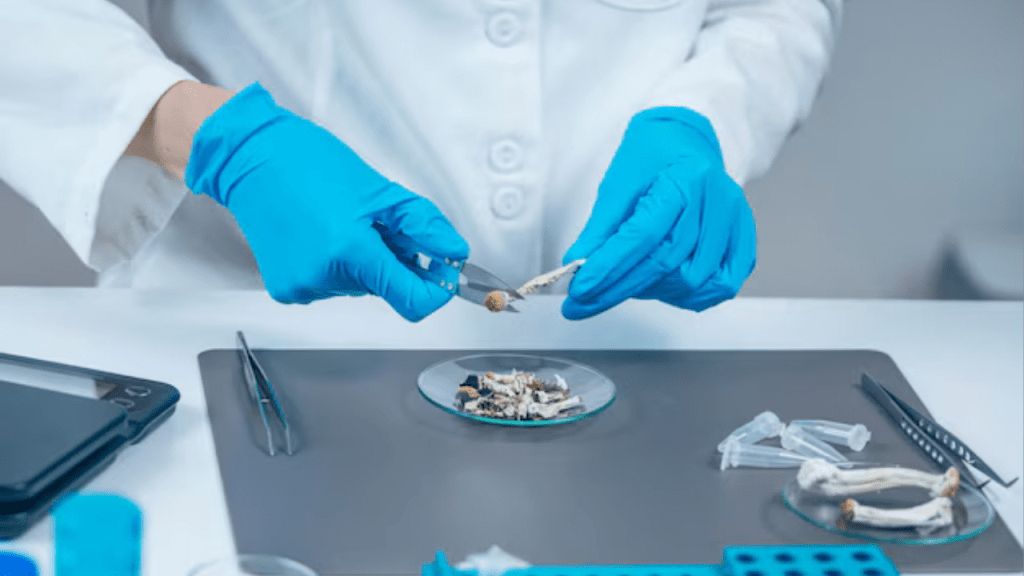
Psilocybin, the active compound in hallucinogenic mushrooms, has sparked great interest in modern science. A unique experiment conducted by neurologist Nico Dosenbach revealed how this substance alters brain activity. The study, published in Nature, opens new perspectives on neuronal plasticity and its potential therapeutic benefits.
Nico Dosenbach’s Psilocybin Experiment

Nico Dosenbach, associate professor of neurology at Washington University in St. Louis, decided to experience the effects of psilocybin firsthand. With colleagues’ help, he received a high dose of 25 milligrams and entered a MRI machine to observe his own brain in action.
At first, he didn’t know if he’d ingested psilocybin or Ritalin, used as a placebo. The uncertainty faded when he began feeling his mind transform into a computer. “I was the tablet, and my thoughts were like a computer’s,” he told CNN.
The study included seven adult participants, who underwent multiple scans before, during, and weeks after the psychedelic trip. Some received additional doses months later. Results showed psilocybin significantly alters the brain’s default mode, the network responsible for our sense of self, space, and time.
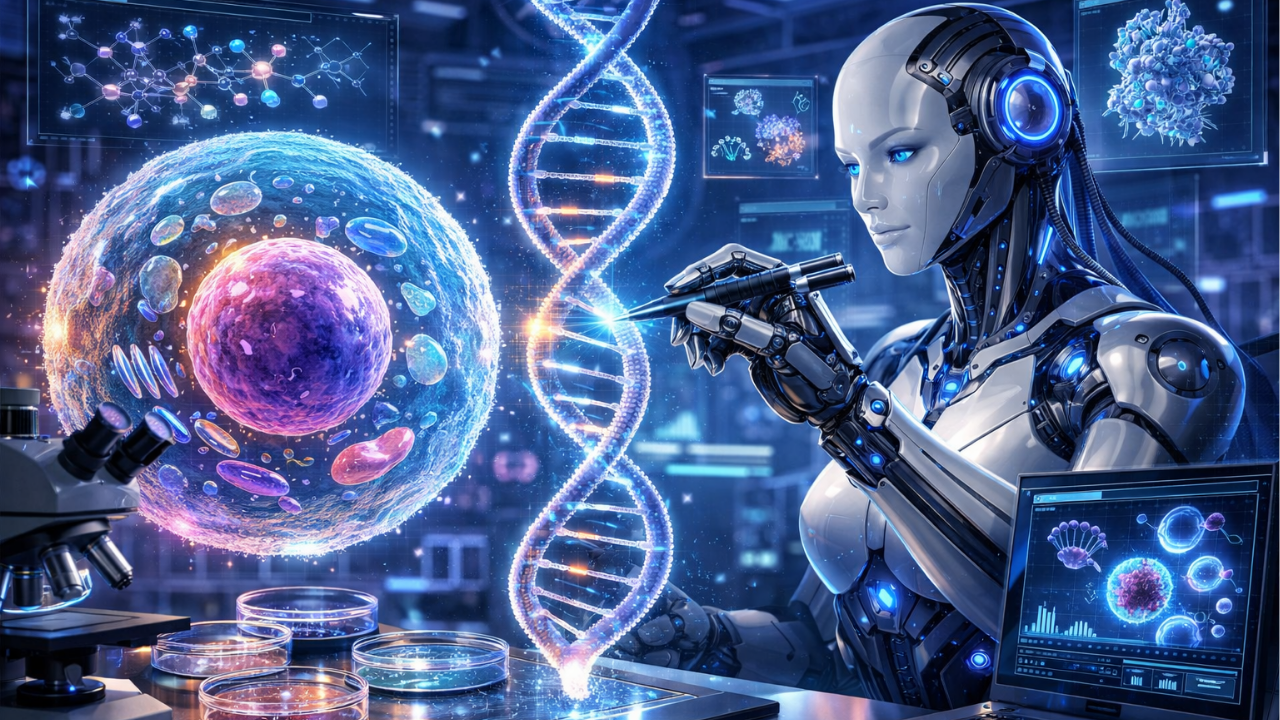
This finding is key: the drug appears to desynchronize brain areas linked to introspective thinking, like daydreaming or remembering. This desynchronization, far from negative, opens doors to greater cognitive flexibility, with potential therapeutic applications in the future.
Brain Desynchronization

The study’s lead author, Joshu Siegel, explained that psilocybin takes a fundamental system for self-perception and temporarily desynchronizes it. This creates an intense psychedelic experience short-term but leaves a positive trace in brain plasticity.
Plasticity is the brain’s capacity to change and grow, considered essential in psychological recovery processes. According to Siegel, the long-term consequence is a more flexible brain, potentially more capable of reaching a healthy state.
Scans showed that after the trip, brain connectivity doesn’t immediately return to its original state. A subtle effect persists for weeks, suggesting psilocybin could be a tool to break negative thought patterns and open new mental pathways.
This phenomenon has sparked great interest in psychedelic medicine, a field seeking to harness these substances for treating disorders like depression or anxiety. However, researchers warn that self-medication is not advisable: benefits are best achieved under professional supervision.
Therapeutic Implications
The study’s results offer a hopeful vision. Psilocybin not only triggers a psychedelic trip but also leaves a lasting effect on brain connectivity.
Dosenbach noted that an initial massive impact is observed, followed by a small, stable effect. This balance is ideal for a medication: it doesn’t destroy brain networks or immediately revert them to their prior state, but maintains enough change to make a difference.
From a psychotherapy perspective, this neuronal flexibility could help patients break harmful mental habits and build new ways of thinking. The research reinforces that psychedelics, used responsibly in clinical settings, can become allies in mental health.
The renewed interest in these substances opens paths to innovative treatments, where science and subjective experience meet to transform how we understand the human mind.
The study led by Dosenbach demonstrates that psilocybin can desynchronize the brain and increase its plasticity. Beyond the psychedelic trip, its lasting effects offer hope in psychedelic medicine. With proper supervision, this substance could become a transformative therapeutic tool.
Reference:
- Nature/Psilocybin desynchronizes the human brain. Link
- Washington University School of Medicine/Psilocybin generates psychedelic experience by disrupting brain network. Link
COMPARTE ESTE ARTICULO EN TUS REDES FAVORITAS:

Esta entrada también está disponible en:
 Español
Discover more from Cerebro Digital
Subscribe to get the latest posts sent to your email.