
Science has taken an astonishing step to change the fate of children born with severe blindness. Four young children, thanks to an innovative gene therapy developed in the United Kingdom, have significantly improved their vision, giving them a unique opportunity to discover the world through their eyes. This research is published in The Lancet.

New Gene Therapy
The new gene therapy was developed by the University College London’s Institute of Ophthalmology and Moorfields Eye Hospital, with MeiraGTx support. This treatment targets one of the most severe forms of childhood blindness: Leber congenital amaurosis, caused by a mutation in the AIPL1 gene.
The procedure involves injecting healthy copies of the defective gene directly into the retina via minimally invasive surgery. These healthy copies are contained within a harmless virus that delivers genetic material to retinal cells. Once inside, the healthy gene helps cells function better and survive longer, slowing visual deterioration and providing significant vision improvements.
Stories That Inspire Hope

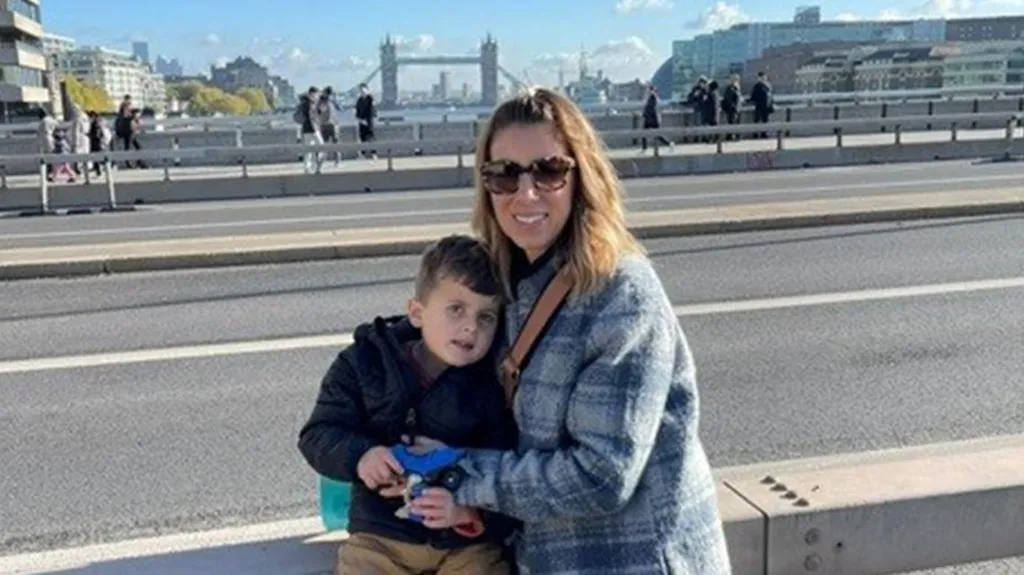
One of the most moving cases is Jace, a boy from Connecticut, USA, who received therapy at age two. His parents noticed vision problems since infancy; after many tests, they discovered his rare condition.
The surgery was quick and simple, leaving only four eye scars. In the first month post-treatment, his parents saw Jace squint at sunlight for the first time—a reaction they’d never witnessed. Over time, he’s begun drawing and writing, actions unthinkable before. His story exemplifies this medical innovation’s positive life impact on children.
A Promising Future
Professor James Bainbridge, Moorfields Eye Hospital retina surgeon and trial leader, emphasizes early treatment can make a huge developmental difference. Vision is key for interaction and early learning. “Treating in childhood with this new gene medicine can transform lives of the most severely affected,” Bainbridge stated.
Trial results are highly promising: the four children from the United States, Turkey, and Tunisia showed notable improvements. Medical tests and parent testimonies provide compelling evidence they now see more than expected in the disease’s normal course.
Reference:
- Gene therapy in children with AIPL1-associated severe retinal dystrophy: an open-label, first-in-human interventional study. Link.
COMPARTE ESTE ARTICULO EN TUS REDES FAVORITAS:

Esta entrada también está disponible en:
 Español
Discover more from Cerebro Digital
Subscribe to get the latest posts sent to your email.