
Brain aging seems gradual, but a critical phase accelerates deterioration sharply before stabilizing. A recent Proceedings of the National Academy of Sciences (PNAS) study pinpoints this from around age 44 intensifying to 67—key for strategies slowing neuronal decline, preventing neurodegenerative diseases.
Brain Aging’s Critical Point

Researchers analyzed fMRI data from over 19,000 people tracking brain activity changes. Results: brain aging ramps up ages 44-67, then steadies to ~90.
Molecularly, key biomarkers/gene expression point to neuronal insulin resistance driving accelerated phase—brain struggles accessing energy pre-irreversible damage.
Lead author Lilianne R. Mujica-Parodi calls it a “critical window“: midlife energy access drops but pre-irreversible harm—the “bend before the break.”
Slowing Decline: Ketones as Energy Alternative
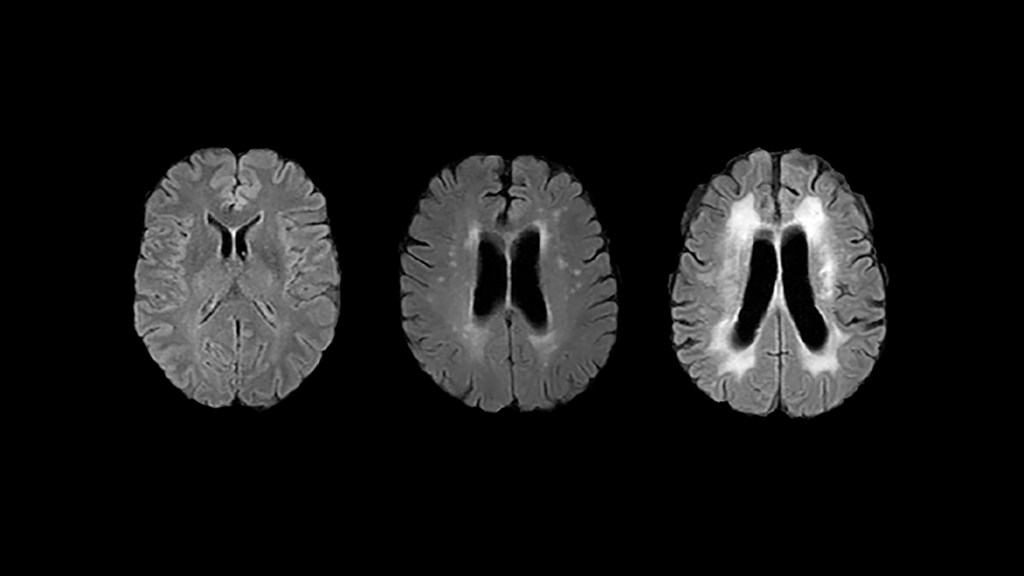
Study proposes ketone transporter protein to shield against rapid aging.
Brain normally uses glucose (insulin-dependent); ketones (from fat breakdown) fuel sans insulin—countering midlife neuronal metabolic stress.
Clinical trial: 101 people across ages got ketones/glucose during fMRI.
Results:
- Ages 60-79: ketones mildly stabilized brain.
- Ages 20-39: moderate benefits.
- Peak gains: 40-49 “critical window”—viable brain but energy issues emerging; ~85% stronger stabilization vs. youth.
Suggests midlife intervention delays/prevents irreversible aging.
Paradigm Shift in Cognitive Decline Prevention
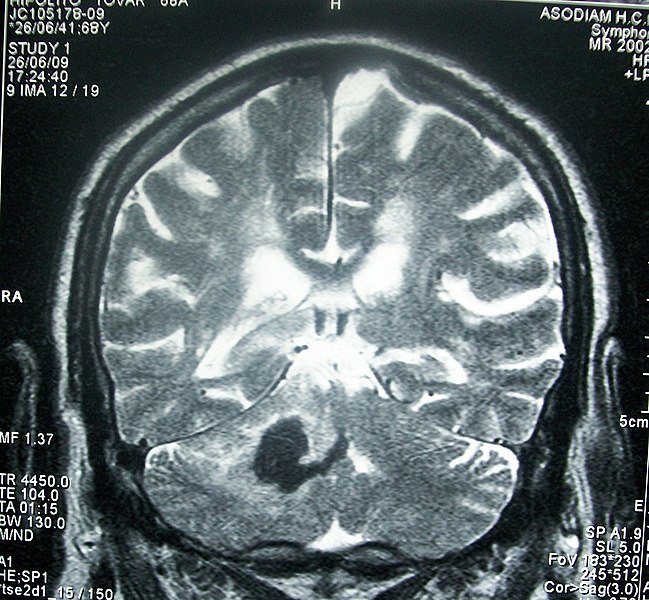
Though promising, small-scale study needs larger trials to validate ketones as anti-aging strategy. First author Botond Antal: “Paradigm shift” in brain aging prevention thinking.
Shift: target pre-cognitive decline symptoms via neurometabolic biomarkers for early risk ID/intervention.
Brain aging isn’t steady—accelerated 44-67 phase offers key intervention window to mitigate before too late.
Reference:
- PNAS/Brain aging shows nonlinear transitions, suggesting a midlife “critical window” for metabolic intervention. Link.
COMPARTE ESTE ARTICULO EN TUS REDES FAVORITAS:

Esta entrada también está disponible en:
 Español
Discover more from Cerebro Digital
Subscribe to get the latest posts sent to your email.