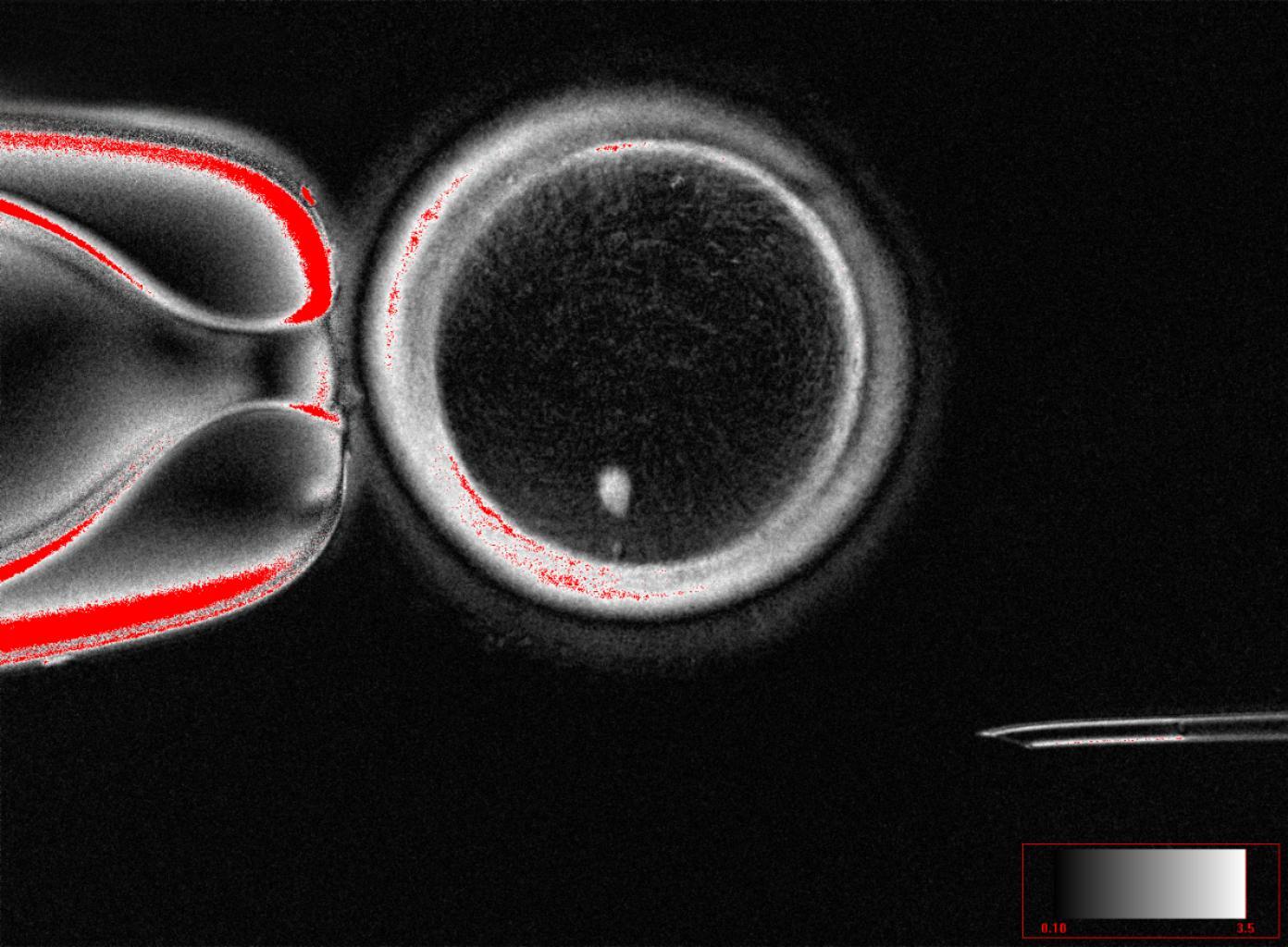
For decades, HeLa cells have been essential to scientific research around the world. However, their origin was marked by a lack of consent. Now, the family of Henrietta Lacks has reached a confidential agreement with the pharmaceutical company Novartis over the commercial use of these cells.
The Story of Henrietta Lacks and the Origin of HeLa Cells
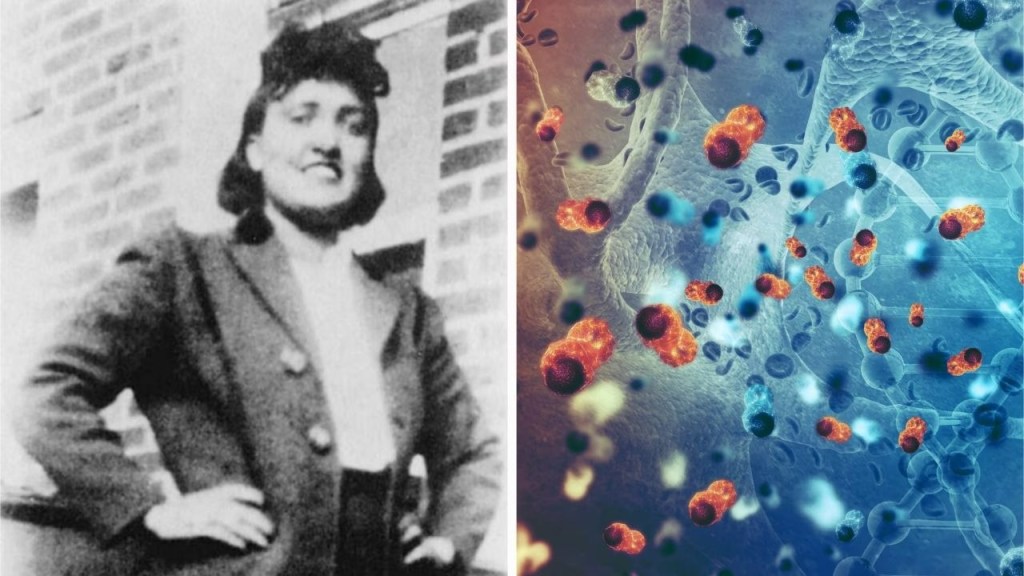
Henrietta Lacks, born Loretta Pleasant on August 1, 1920, unknowingly became one of the most influential individuals in the history of medicine. In February 1951, she went to Johns Hopkins Hospital, the only facility in the area that treated Black patients, suffering from severe pain and vaginal bleeding.
Doctors discovered an aggressive cervical cancer after performing a biopsy. During the procedure, gynecologist Dr. Howard Jones noticed that the tumor had unusual characteristics. Without informing the patient or asking for her consent, doctors removed cells from the tumor for research purposes, which was a common practice at the time.
A few days later, researcher Dr. George Otto Gey collected additional samples from the tumor. When studying them in the laboratory, he discovered something remarkable: unlike other human cells that died quickly outside the body, these cells continued reproducing indefinitely.
This discovery led to the famous HeLa cell line, named after the first letters of Henrietta Lacks’ name. These cells showed an extraordinary ability to divide rapidly and survive in laboratory cultures.
Meanwhile, Henrietta’s health continued to deteriorate. She was hospitalized again in August 1951 and died on October 4 of that same year, at only 31 years old. What no one realized at the time was that her cells would remain alive for decades, driving some of the most important advances in modern science.
The Scientific Impact of HeLa Cells

The HeLa cell line transformed biomedical research. Unlike other laboratory cultures that survive only a few days, these cells could multiply indefinitely, allowing scientists to conduct multiple experiments using the same sample.
One of the first major breakthroughs occurred in 1954 when researcher Jonas Salk used HeLa cells to develop and test the polio vaccine. The ability to produce large quantities of cells greatly accelerated medical testing.
Over the years, HeLa cells became an essential tool for studying diseases such as HIV, Ebola, and tuberculosis. They have also been used in research on genetics, cellular development, and even in some of the first space experiments.
Their proliferation has been so extraordinary that scientists estimate more than 50 million metric tons of HeLa cells have been produced in laboratories around the world. In addition, they have been used in more than 60,000 scientific studies.
However, this enormous scientific impact came with an uncomfortable reality: for decades, Henrietta Lacks’ family did not know that their mother’s cells were being used or that many companies were benefiting financially from them.
The Family’s Fight and the Agreement With Novartis
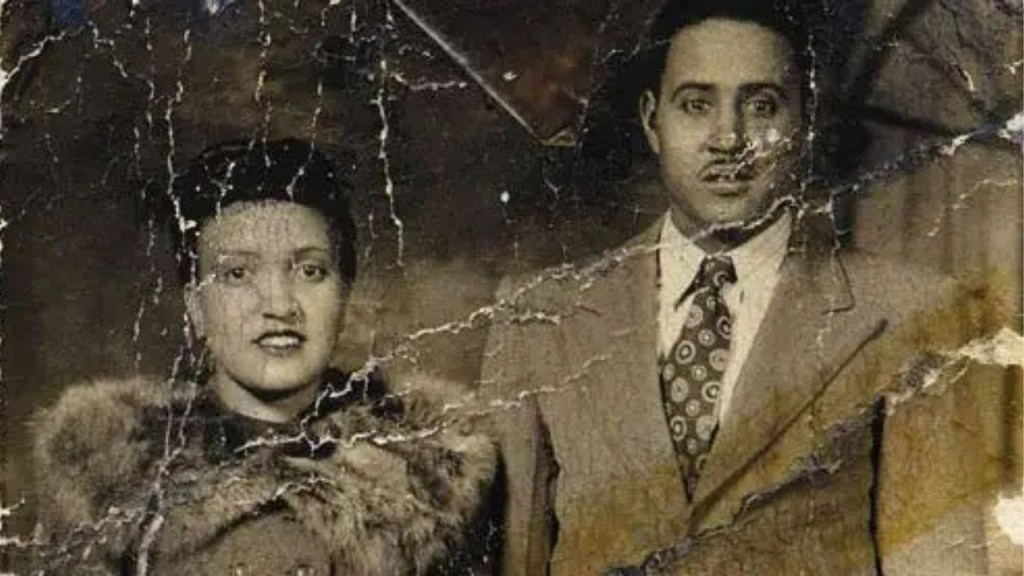
For years, Henrietta Lacks’ descendants tried to understand what had happened to their mother’s cells. The situation came to light when scientists contacted the family to obtain DNA samples that would help identify laboratory cultures contaminated with HeLa cells.
The first contact was confusing and alarming for the family. Henrietta’s husband, David “Day” Lacks, believed the scientists were saying that his wife was still alive in a laboratory. The lack of clear information created fear, distrust, and many questions among the relatives.
Over time, the debate about the financial benefits obtained by pharmaceutical companies and laboratories from HeLa cells intensified. Although these cells helped save countless lives, the family received no compensation for decades.
In 2021, the estate of Henrietta Lacks filed lawsuits against several companies. One of them was Thermo Fisher Scientific, which eventually reached a confidential settlement in 2023.
Now, another pharmaceutical company, Novartis, has also reached an undisclosed settlement after a lawsuit filed in 2024. Although the financial details have not been made public, the case represents another important step in recognizing Henrietta Lacks’ role in modern science.
HeLa cells revolutionized medicine and helped save millions of lives, but they also raised important ethical questions about consent and fairness in scientific research. The recent agreement with Novartis marks another chapter in recognizing Henrietta Lacks’ legacy and her lasting impact on science worldwide.
Reference:
- Nature/Wealthy funder pays reparations for use of HeLa cells. Link
COMPARTE ESTE ARTICULO EN TUS REDES FAVORITAS:

Esta entrada también está disponible en:
 Español
Discover more from Cerebro Digital
Subscribe to get the latest posts sent to your email.