

Un pequeño grupo de personas en el mundo posee una mutación genética que les otorga resistencia frente a casi cualquier virus. Inspirados en este fenómeno biológico, los científicos han desarrollado una terapia experimental de ARNm que promete funcionar como un antiviral universal y revolucionar la preparación ante futuras pandemias.
The genetic mutation that causes unexpected immunity


Fifteen years ago, immunologist Dusan Bogunovic discovered a surprising phenomenon: a small number of people with a rare genetic mutation associated with ISG15 deficiency appeared immune to most viruses. Initially, this disorder was linked to greater susceptibility to bacterial infections, suggesting a weakened immune system. However, later studies revealed an unexpected effect. Carriers of this mutation lived with mild but constant inflammation throughout the body—a state that, rather than being harmful, proved to have strong antiviral properties.
By analyzing cells from patients with this genetic mutation, scientists observed traces of exposure to viruses like measles, chickenpox, flu, and mumps, but surprisingly, they never developed severe symptoms. In other words, their bodies seemed trained to resist infections before they could manifest. Bogunovic deduced that this basal inflammation created a hostile environment for viruses, preventing them from multiplying.
This finding opened a new line of research: if it were possible to artificially replicate this type of immunity, medicine could have a shield capable of stopping any virus—even those we don’t yet know about. This idea, born from a study of rare diseases, has become one of the most promising projects in the fight against global pandemics.
An experimental therapy that mimics natural immunity

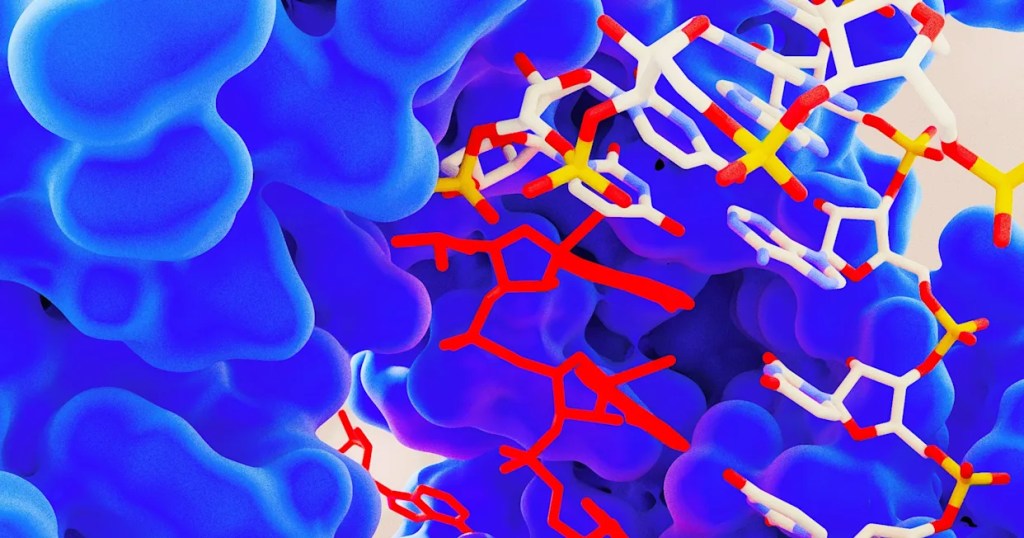
After more than a decade of research, Bogunovic and his team published a key breakthrough in Science Translational Medicine. They developed an experimental mRNA therapy that reproduces the same effect seen in people with the ISG15 deficiency mutation, but in a controlled and temporary way. The formula, administered to animals like hamsters and mice, demonstrated extraordinary protection against flu viruses and SARS-CoV-2.
The procedure works through lipid nanoparticles similar to those used in COVID-19 vaccines. Instead of carrying a single mRNA, they contain ten different ones that encode ten proteins responsible for activating the antiviral state. Once inside cells, these nanoparticles induce production of those proteins, generating mild and transient inflammation sufficient to block viral replication.
The results were stunning: treated animals not only avoided getting sick but also showed widespread resistance to multiple viruses. In lab tests, the team even claimed they hadn’t yet found a virus capable of overcoming the defenses created by the therapy. This suggests it could be a broad-spectrum tool, acting as a temporary shield against emerging infections—a crucial advantage in the early stages of any epidemic outbreak.
Although the effects last only a few days, the researchers emphasize that this could be enough to protect vulnerable groups or healthcare workers during a crisis, while specific vaccines or treatments are developed.
Challenges and prospects for a universal antiviral


Despite the promising results, important challenges remain before applying this therapy to humans. One major hurdle is administration. In experiments, the nanoparticles were introduced via nasal drip, acting directly on the animals’ lungs. However, the levels of proteins produced aren’t yet high enough to guarantee the same effect in people.
Additionally, researchers must precisely determine how long protection lasts. So far, antiviral effects are estimated to persist for three to four days—a useful period in emergencies but one that would require repeated applications for sustained safety. This is compounded by the technical challenge of ensuring nanoparticles effectively reach the body parts needing protection.
Even with these limitations, the therapy’s potential is immense. It could become a strategic tool to halt pandemics, immediately protecting the most exposed, such as family members of infected people, elderly in care homes, or frontline workers. Plus, unlike traditional vaccines, this approach doesn’t prevent the body from generating immunological memory, ensuring long-term defense after natural exposure or vaccination.
Bogunovic sums up the spirit of this research by saying that the most important discoveries come from curiosity. What began as the study of a rare genetic mutation now opens the door to a universal antiviral that could transform how humanity faces future viral threats.
The ISG15 genetic mutation revealed a hidden secret in human biology: the possibility of near-total viral immunity. The experimental therapy inspired by this finding represents a crucial advance toward a universal antiviral, though it still needs refinement. If confirmed in humans, it would mark a milestone in defense against global pandemics.
Reference:
- Science Translational Medicine/An mRNA-based broad-spectrum antiviral inspired by ISG15 deficiency protects against viral infections in vitro and in vivo. Link
COMPARTE ESTE ARTICULO EN TUS REDES FAVORITAS:

Esta entrada también está disponible en:


Discover more from Cerebro Digital
Subscribe to get the latest posts sent to your email.