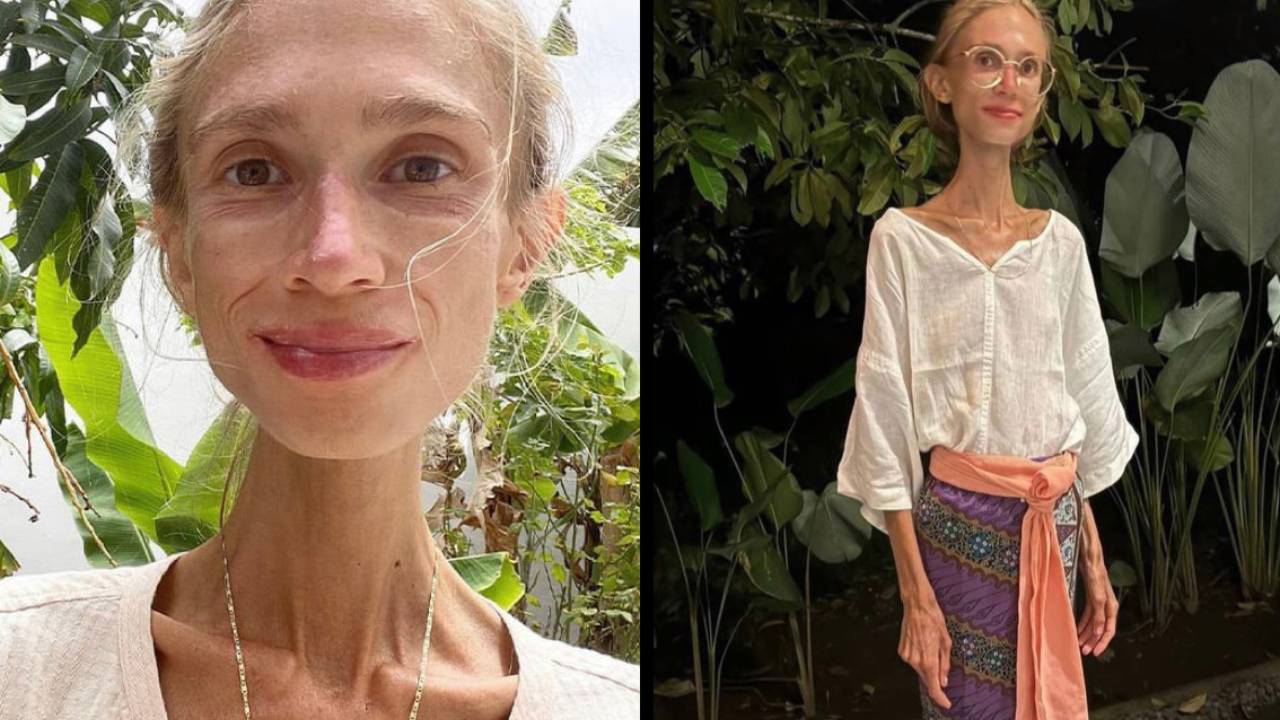
The death of Karolina Krzyżak, a 27-year-old Polish influencer, has caused shock on social media and reopened the debate about the dangers of extreme diets. Her body was found lifeless in a room at the Sumberkima Hill Retreat in Bali at the end of 2024. The autopsy revealed severe malnutrition and serious deficiencies resulting from her strict fruit-only diet.
Karolina Krzyżak: the pursuit of “natural wellness

Born in Warsaw, Karolina Krzyżak pursued her academic studies in the United Kingdom, where she attended the University of Leeds. During her university years, she became interested in vegan diets and later in fruitarianism, a dietary practice that excludes any animal products and even cooked plant foods, prioritizing the exclusive consumption of raw fruits.
In 2024, she decided to move to Bali, Indonesia, a destination frequented by advocates of holistic wellness and natural nutrition. Through her social media —which were later closed— she promoted the supposed benefits of this lifestyle, defending the idea that the body could “heal itself” without medical assistance. Her discourse attracted thousands of followers interested in extreme veganism and body purification methods.
However, behind her radiant appearance and message of balance, a progressive health crisis was unfolding. Those who knew her claim that her weight dropped drastically to 22 kilograms, and that she showed clear signs of weakness. The staff at the retreat where she was staying reported that she refused professional care, convinced her diet provided everything she needed.
The devastating effects of an extreme diet
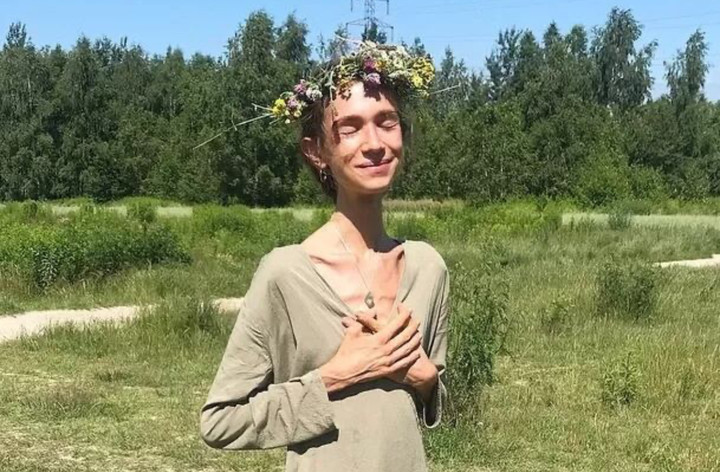
The fruitarianism practiced by Karolina Krzyżak, although based on natural foods, can lead to serious nutritional imbalances when taken to the extreme. Fruits, rich in natural sugars such as fructose, lack the proteins, healthy fats, and minerals the body needs to maintain vital functions. This deficiency can cause muscle loss, anemia, osteoporosis, chronic fatigue, and immune deterioration.
In Karolina Krzyżak’s case, her relatives reported that her physical decline accelerated during the last months of her life. She showed brittle nails, hair loss, and clear signs of physical exhaustion, common symptoms of prolonged malnutrition. Although resort staff tried to persuade her to seek help, the young woman insisted that her body was “purifying itself” naturally.
The autopsy confirmed that she suffered from advanced osteoporosis and albumin deficiency, a protein essential for transporting nutrients in the blood. Both conditions are direct consequences of a diet lacking in proteins and essential fats. Polish media consulted specialists who emphasized that such regimens, far from detoxifying the body, can destroy it from within by disrupting its metabolic balance.
Reflection and warning: the risk of “wellness” trends
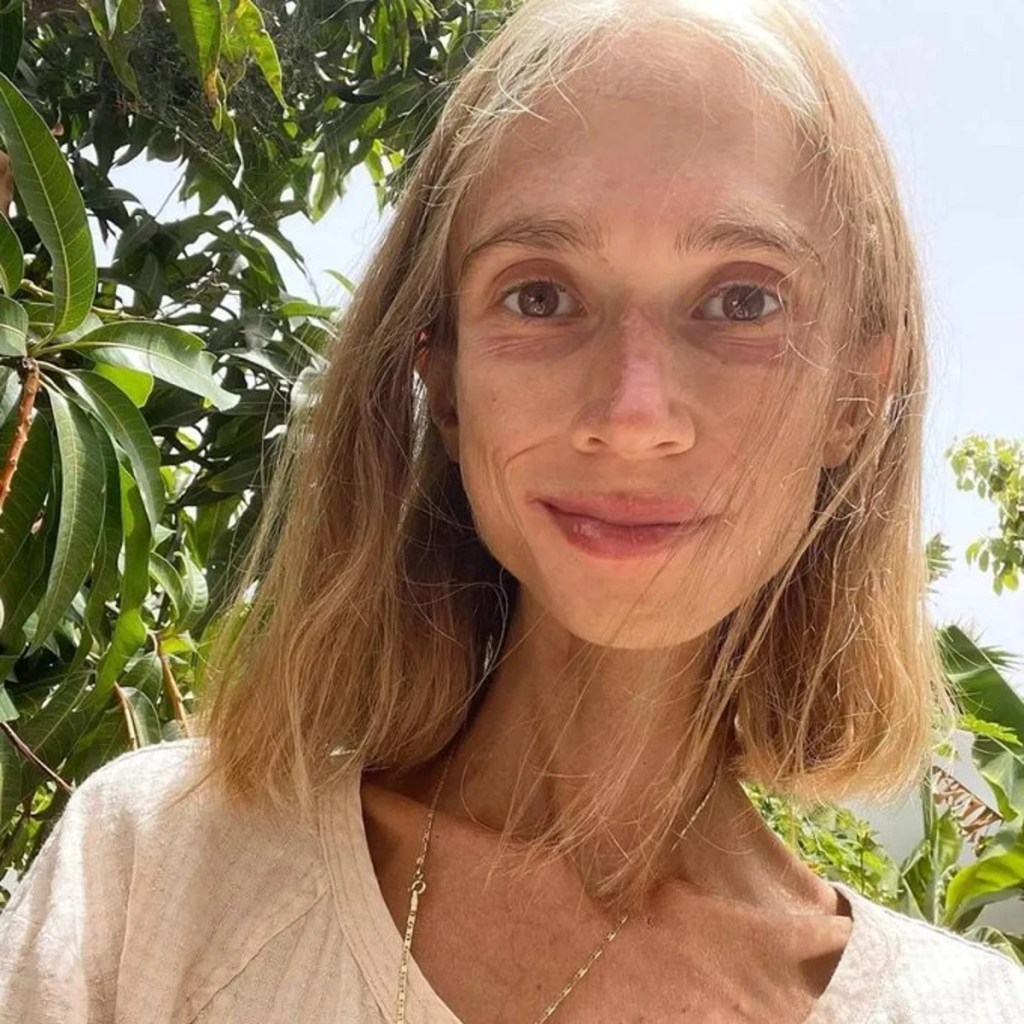
Karolina Krzyżak’s case goes beyond the individual sphere and fits into a growing issue: the spread of restrictive diets promoted by influencers who encourage habits without medical foundation. On social media, the discourse of the “natural body” and “purifying nutrition” is often accompanied by messages that romanticize extreme thinness and discourage professional intervention.
Nutrition experts point out that while increasing fruit and vegetable intake and reducing ultra-processed products can improve health, eliminating entire food groups or relying on a single type of food disrupts the body’s biochemical balance. Each body has different requirements, and any radical change must be carried out under the supervision of a doctor or nutritionist.
Karolina Krzyżak’s story has become a warning symbol for the digital community. Her tragic end highlights the limits between wellness and obsession with dietary purity. In a world where diet trends go viral faster than scientific warnings, her death reminds us of an essential truth: health is not achieved through extremes, but through balance, science, and informed self-care.
The life and death of Karolina Krzyżak reveal how the desire to achieve the “perfect diet” can turn into a deadly trap. Her story not only moves but also invites reflection on the responsibility of spreading health advice without scientific basis. Nature can heal, yes, but it should never replace medical knowledge or common sense.
Reference:
- Daily Express/Woman, 27, starves to death in Bali hotel room weighing just 49 pounds. Link
COMPARTE ESTE ARTICULO EN TUS REDES FAVORITAS:

Esta entrada también está disponible en:
 Español
Discover more from Cerebro Digital
Subscribe to get the latest posts sent to your email.