
The pharmaceutical industry is known for developing life-changing, saving medicines, but some treatments come with astronomical prices. Among the world’s costliest are specialized therapies for rare diseases and genetic conditions, often exceeding a million dollars per dose or treatment. Below, we explore some, their vital patient importance, high-cost reasons, and elevated price consequences.
Why Are Costs So High in the Pharmaceutical Industry?
These medicine prices stem from combined factors:
- Pharmaceutical R&D: New medicine development takes decades, costing billions. This includes compound discovery, preclinical tests, human clinical trials, and regulatory approval.
- Rare Diseases: Many target rare/orphan diseases. With few patients, pharma recovers development costs via limited sales, hiking per-dose prices.
- Complex Production: Gene and cell therapies require highly specialized manufacturing like live cell handling, greatly raising costs.
- Monopoly and Patents: Patents and market lack of competition let pharma set high prices, especially for innovative treatments without equivalents.
- Marketing and Regulation Costs: Beyond R&D, companies face major commercialization and multi-market regulation compliance expenses.
World’s Most Expensive Medicines
Brineura – $700,000 USD
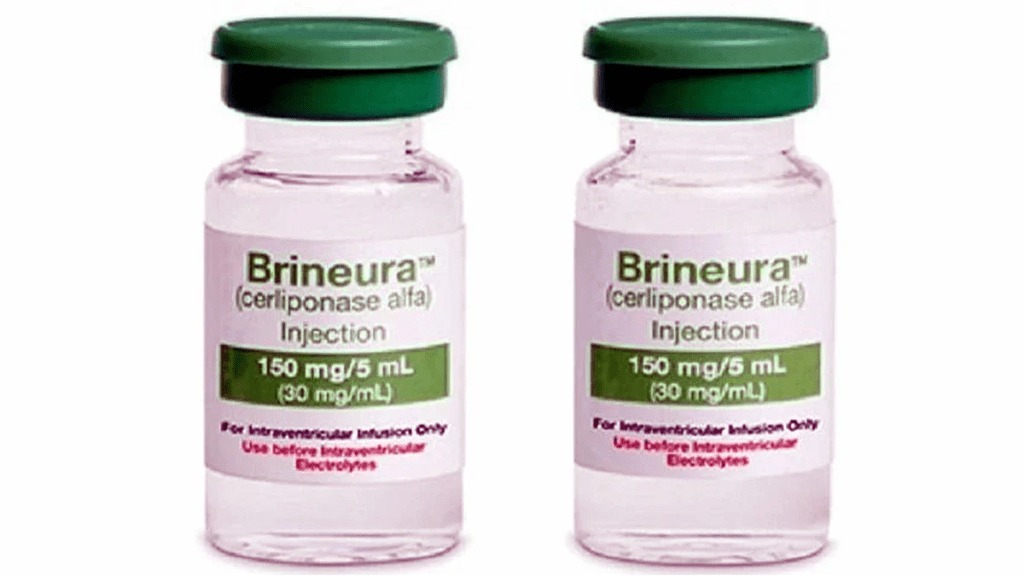
- What it’s for: Treats CLN2, a Batten disease form—a rare neurodegenerative disorder mainly affecting children.
- Vital importance: Replenishes missing brain enzyme patients can’t produce, significantly slowing disease progression.
- Demand: Crucial for small patient group; without it, CLN2 children rapidly lose motor and cognitive skills.
- High cost: Due to customized production and R&D investment for limited patients.
- Cost consequences: High price limits access even in advanced healthcare countries.
Spinraza – $750,000 USD
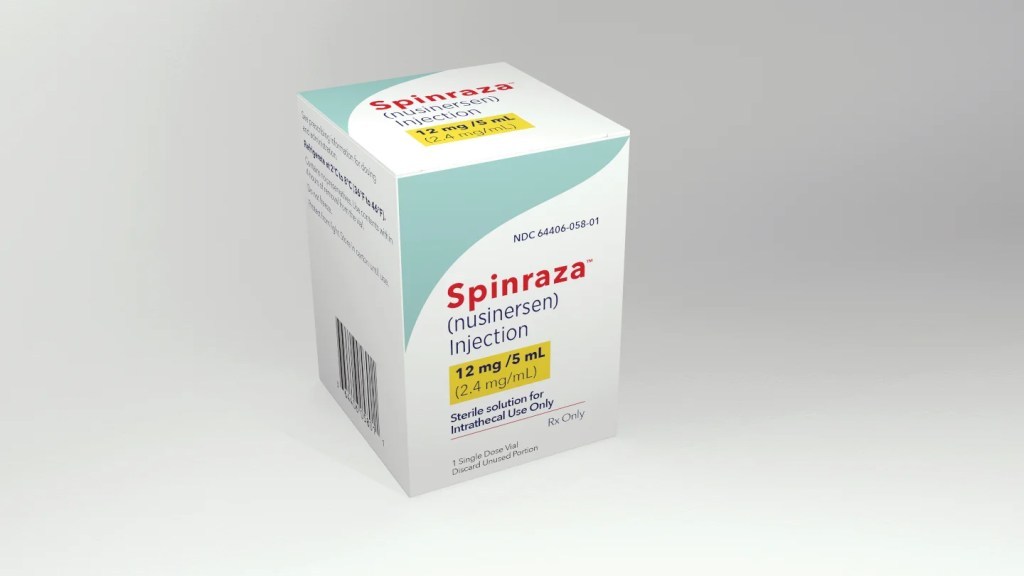
- What it’s for: Treats spinal muscular atrophy (SMA), a genetic disorder affecting motor neurons leading to muscle weakness and paralysis.
- Vital importance: Boosts SMN protein production essential for motor neuron function/survival, improving quality/life expectancy.
- Demand: High among SMA patients as one of first effective treatments.
- High cost: From R&D, extensive trials, and complex administration.
- Cost consequences: Access challenging; limited-resource country patients may not benefit.
Cabarglu – $790,000 USD

- What it’s for: Treats hyperammonemia, a rare metabolic condition where body can’t eliminate ammonia properly.
- Vital importance: Prevents toxic ammonia buildup, fatal if untreated.
- Demand: Limited to extremely rare condition but crucial for affected.
- High cost: Tied to patient scarcity and development recovery needs.
- Cost consequences: Healthcare systems may hesitate approval or limit availability.
Ravicti – $794,000 USD
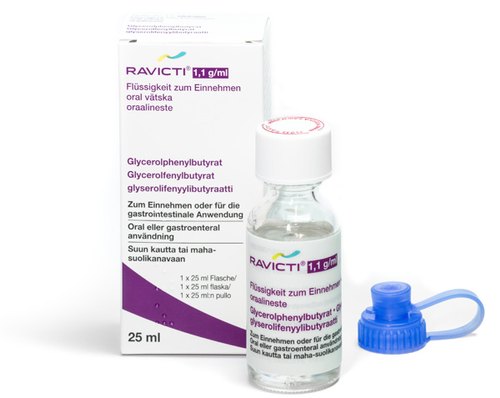
- What it’s for: Treats urea cycle disorders impeding ammonia elimination.
- Vital importance: Keeps ammonia levels controlled, preventing brain damage and severe effects.
- Demand: Essential for patients; untreated consequences deadly.
- High cost: From small patient pool and high production/development costs.
- Cost consequences: Limits access, especially without adequate coverage.
Luxturna – $850,000 USD

- What it’s for: Treats hereditary blindness from RPE65 gene mutations.
- Vital importance: Introduces functional defective gene copy, partially restoring vision and improving quality of life.
- Demand: High for specific genetic mutation sufferers as few options.
- High cost: From gene therapy complexity and patient customization.
- Cost consequences: Hard treatment access even in advanced systems.
Zobinky – $1,032,000 USD
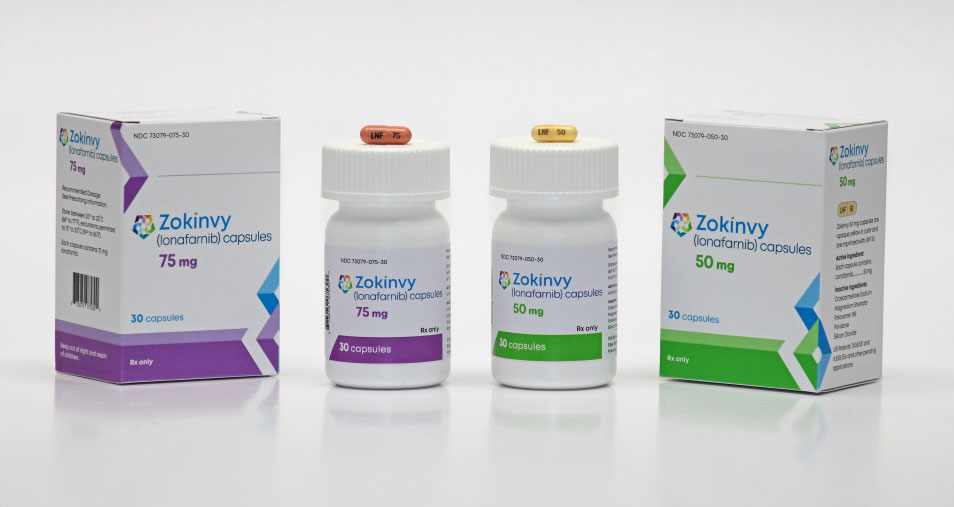
- What it’s for: Specific info unavailable in databases, but assumed for rare disease or complex gene therapy.
- Vital importance: Likely high for requiring patients given cost and classification.
- Demand: Probably limited to small specific patient group.
- High cost: Likely from development costs and treatment exclusivity.
- Cost consequences: Like list others, may limit needy patient accessibility.
Zolgensma – $2,125,000 USD

- What it’s for: Gene therapy for SMA in children under 2.
- Vital importance: Provides functional SMN1 gene copy, offering long-term/potentially curative SMA solution.
- Demand: High for early-diagnosed SMA patients.
- High cost: Due to gene therapy innovation, small patients, massive R&D recovery.
- Cost consequences: Extremely limited access; only advanced health systems may provide.
Consequences of High Prices
Elevated medicine prices significantly impact patients/health systems. Though revolutionary advances, costs restrict access to neediest.
Often, insurance doesn’t fully cover; patients fight for approval. Health/life may depend on finances or subsidies/crowdfunding.
High costs raise ethical/political dilemmas on cutting-edge care accessibility, especially limited-resource countries. Ongoing innovative therapy research and accessible pricing models key to balancing innovation with global healthcare accessibility/justice.
Referencia:
- Harvard/Why do your prescription drugs cost so much?. Link.
- Drugs/10 of the Most Expensive Drugs in the U.S. Link.
- Pharmaoffer/10 MEDICAMENTOS MÁS CAROS DEL MUNDO. Link.
- Salud y Fármarcos/Enfermedades raras y medicamentos de alto costo. Los fármacos de precios astronómicos. Link.
COMPARTE ESTE ARTICULO EN TUS REDES FAVORITAS:

Esta entrada también está disponible en:
 Español
Discover more from Cerebro Digital
Subscribe to get the latest posts sent to your email.