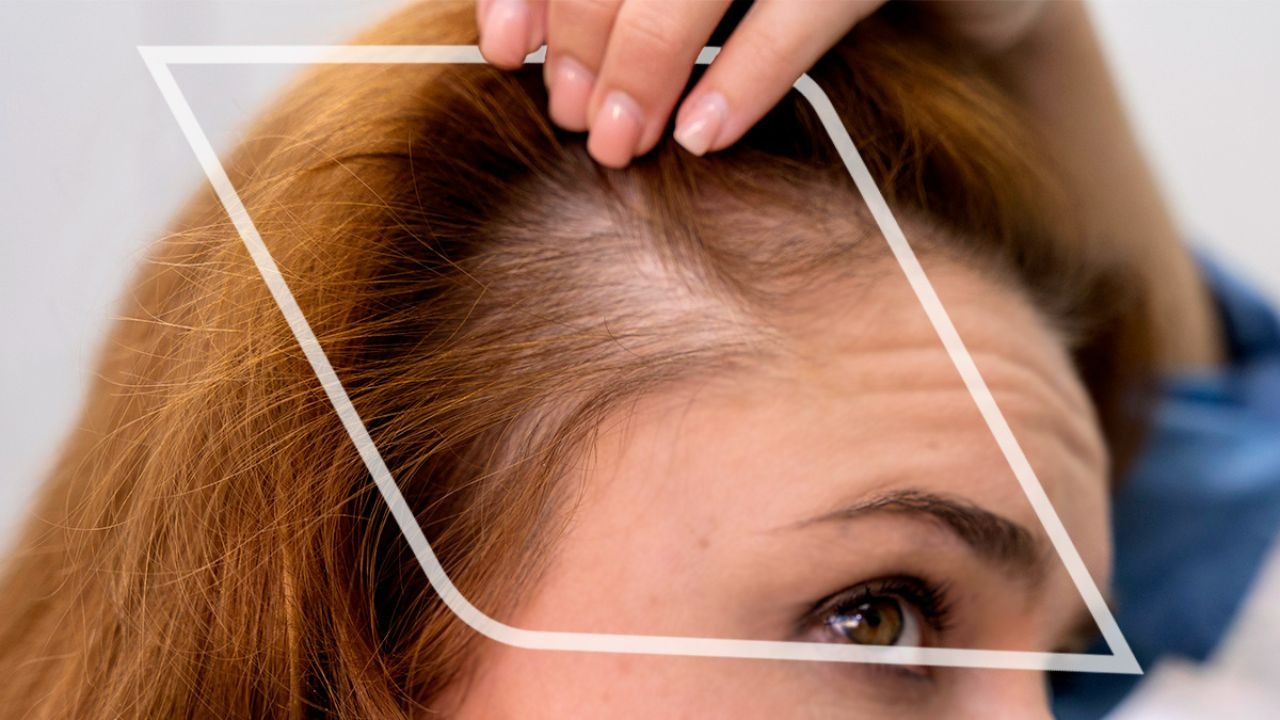
Baldness has long been seen as an irreversible process once the follicle “dies.” However, a monumental breakthrough in cell biology is challenging this belief. Researchers at National Taiwan University (NTU) have identified a natural mechanism that acts as a “master switch” to reactivate hair growth. This discovery, focused on dormant follicles, opens a hopeful path beyond surgical solutions.
Taiwan’s key against baldness
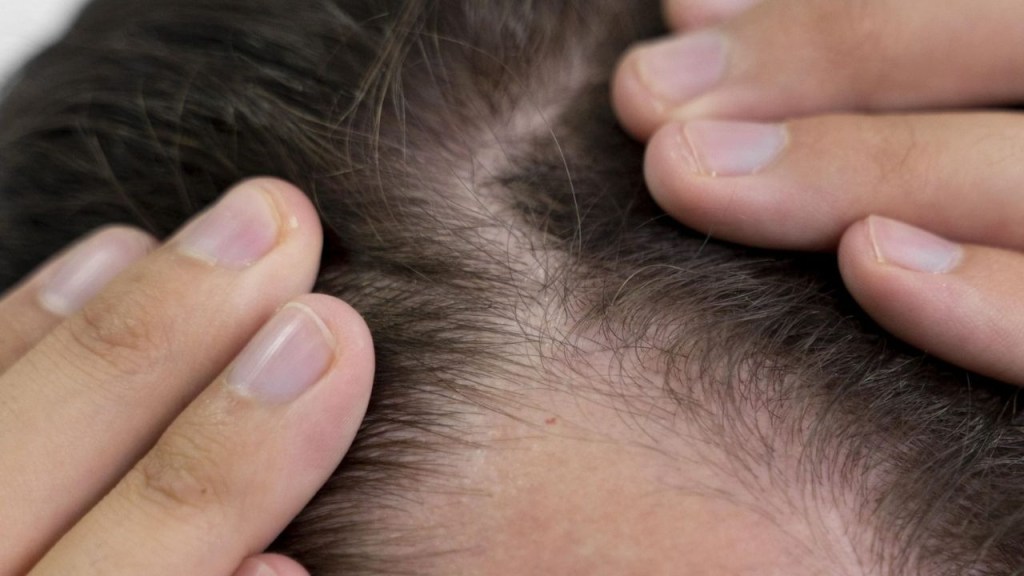
The heart of this discovery lies in understanding the communication between skin cells and hair follicles. The team led by Professor Sung-Jan Lin observed that a biological response to skin irritation often triggers a condition called hypertrichosis (excessive hair growth). By investigating this phenomenon, they identified fatty acids as the key messengers.
NTU scientists developed a topical serum that mimics this natural signaling. This serum, composed of common fatty acids such as oleic acid and palmitoleic acid, directly stimulates fat cells (adipocytes) located just beneath the skin. Once stimulated, these cells release the fatty acids.
These fatty acids act as a powerful “fuel” that travels to the follicle stem cells. If a follicle is in a resting phase (telogen), this metabolic signal reactivates it, pushing it back into the active growth phase (anagen). This reset process was observed in laboratory mouse models, where remarkable hair regeneration occurred in just 20 days. This finding demonstrates that the solution is not to replace the follicle, but to awaken its latent biological potential.
Validated in scientific publication: The rigor of the research

The strength of this breakthrough is not just promising news, but a milestone backed by sciehttps://cerebrodigital.net/probo-su-propia-medicina-para-tratar-su-cancer/ntific rigor. The research was published in the prestigious journal Cell Metabolism, one of the most respected publications in the fields of molecular biology and medicine.
The article, titled Adipocyte lipolysis activates epithelial stem cells for hair regeneration through fatty acid metabolic signaling, provides all the experimental evidence and detailed mechanisms that confirm the role of fatty acids. Publication in a journal of this caliber grants significant credibility and validity to the “reset” mechanism.
For the scientific community, this allows other researchers to review, verify, and expand upon the work. This level of transparency and validation is essential for a discovery to move from hypothesis to potential treatment. Although the experiments in mice were successful and Professor Lin has conducted limited self-experiments, it is crucial to emphasize that the serum is still pending large-scale clinical trials in humans before final approval.
Future implications and the difference between “dormant” and “dead”

The potential impact of this serum is enormous. It could represent a non-invasive and easily accessible alternative to current treatments, such as transplants or medications that require continuous medical prescriptions. The researchers envision developing this serum into an over-the-counter (OTC) product.
However, it is vital to manage expectations. The concept of “reset” applies specifically to hair follicles that are in a latent or resting state. If a follicle has undergone complete atrophy or the area has scarred, the serum cannot revive it, since the stem cells have disappeared. In essence, baldness may be reversible if the hair’s “engine” is switched off, but not if the “engine” has been removed.
This approach is highly promising for the early and middle stages of alopecia, where follicular cell life still exists. The next crucial step will be to confirm the efficacy and safety of the treatment on the human scalp.
NTU’s research on fatty acid–mediated hair activation represents a paradigm shift. This mechanism, published in Cell Metabolism, offers a biological solution to reactivate dormant follicles, confirming that the “reset button” is pure biology. While human trials are the next step, this science brings us closer to an era where alopecia could be treated with a simple topical serum.
Reference:
Cell Metabolism/Adipocyte lipolysis activates epithelial stem cells for hair regeneration through fatty acid metabolic signaling. Link
COMPARTE ESTE ARTICULO EN TUS REDES FAVORITAS:

Esta entrada también está disponible en:
 Español
Discover more from Cerebro Digital
Subscribe to get the latest posts sent to your email.