
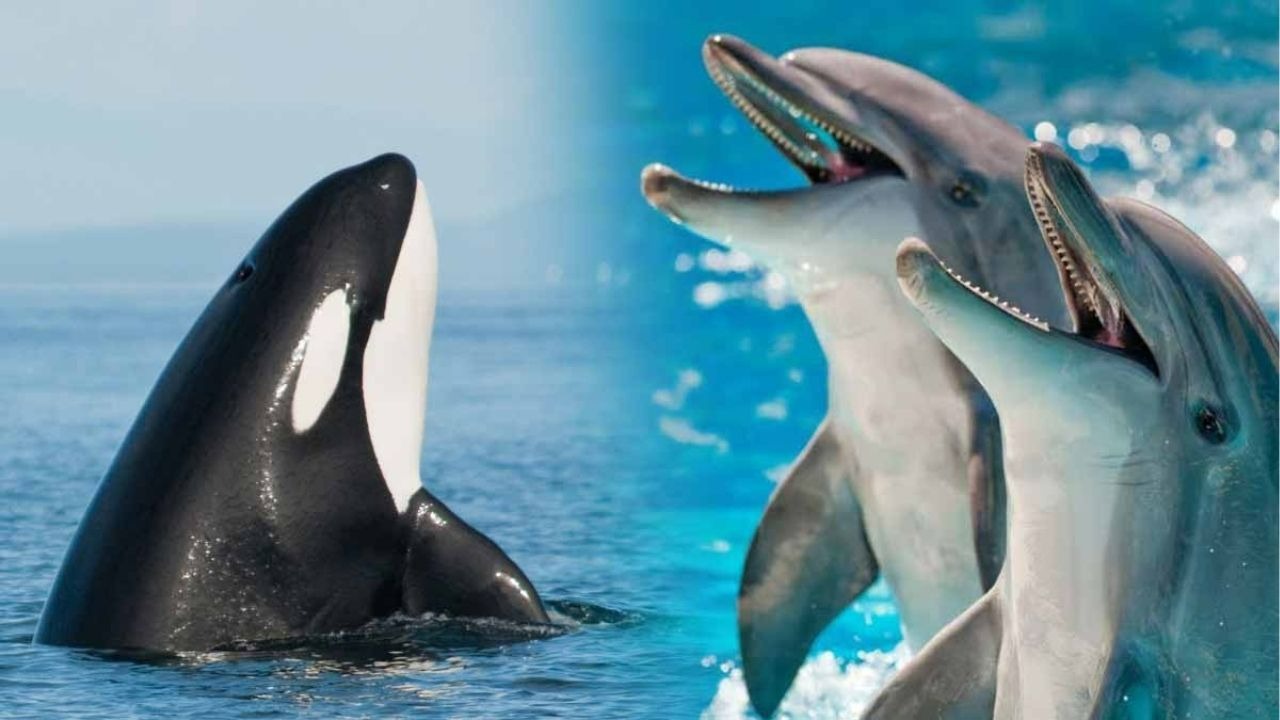
Evolution has led orcas and dolphins to a unique state. Though air-breathing mammals nursing young, their biology is so ocean-adapted that land return is impossible. This shows how specialization can close evolutionary paths.
“Point of No Return” Explained Simply

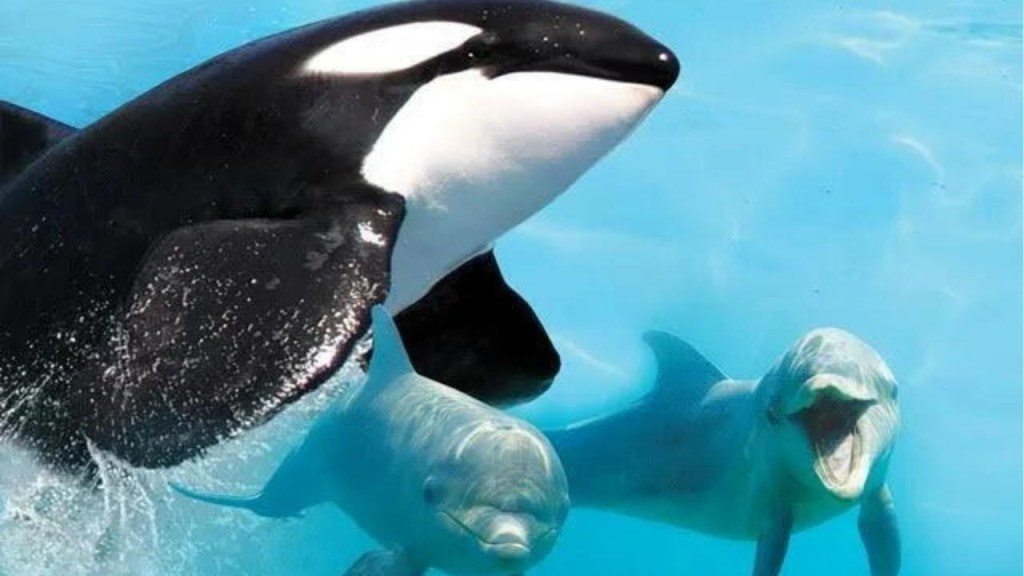
Researchers classify mammals by aquatic adaptation: A0 (none) to A3 (fully aquatic). Cetaceans like orcas, dolphins, whales, and sirenians hit A3.
Mild transitions like semiaquatic species (A1) can reverse. But total marine dependence blocks return—tied to Dollo’s law: complex transformations don’t fully undo.
Study of 5,635 extant/extinct species shows cetaceans at evolutionary continuum extreme. They surface or beach accidentally, but anatomy/physiology preclude viable land life. Conclusion: once aquatic specialization threshold hit, no way back.
Finding explains marine mammal paradox, illustrating irreversible evolution under extreme adaptation.
Price of Ocean Perfection
Evolutionary irreversibility links to physical/physiological pressures. Ocean thermoregulation favors large bodies conserving heat in high-conductivity medium.
Cetaceans evolved carnivorous, high-energy diets sustaining aquatic metabolic costs. These made them efficient predators/superb navigators.
Yet specialization breeds vulnerability. Total ocean reliance means environmental shifts directly threaten survival. Evolution perfected them for sea but stripped land alternatives.
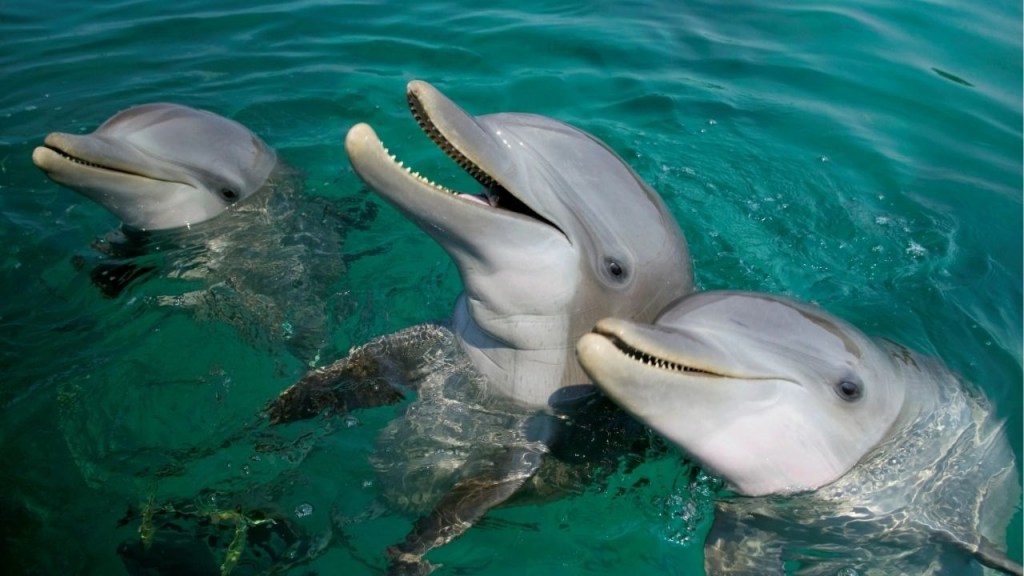
Practically, orcas/dolphins’ life “locked” ocean-bound. Habitat degradation hits harder than ecologically flexible species.
Current Vulnerability
Beyond theory, orcas/dolphins’ status reflects dependence. Conservation orgs warn of prey shortages, chemical pollution, vessel noise.
In Strait of Gibraltar, IUCN notes recurrent pressures: fisheries interactions, marine infrastructure, pollution—directly hitting local orca populations reliant on specific prey like bluefin tuna.
Evolutionary paradox becomes environmental management issue. Biological irreversibility means no other-environment adaptation. Future hinges on ocean health/human protections.
Orcas/dolphins exemplify evolution closing paths. Aquatic specialization made masterful predators but vulnerable. Point of no return underscores survival fully depends on ocean balance.
Reference:
- ETH Zurich/Dollo conoce a Bergmann: evolución morfológica en mamíferos acuáticos secundarios. Link
COMPARTE ESTE ARTICULO EN TUS REDES FAVORITAS:

Esta entrada también está disponible en:


Discover more from Cerebro Digital
Subscribe to get the latest posts sent to your email.