Neanderthal DNA still lives in us. A recent study published in Molecular Psychiatry suggests that certain fragments inherited from these ancient hominids could influence traits of autism spectrum disorder (ASD). Far from being an irrelevant vestige, this genetic legacy raises new questions about human evolution and the richness of neurodiversity.

Neanderthals and Modern Humans: A Shared Heritage
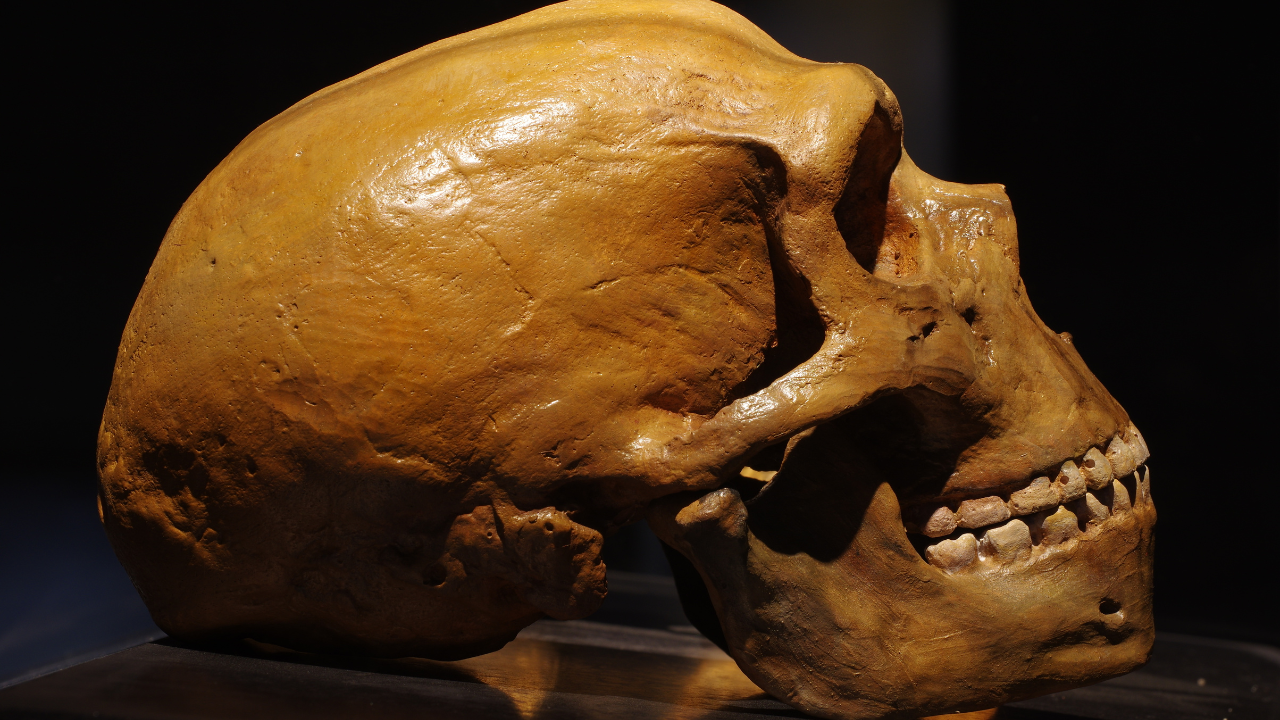
About 50,000 years ago, groups of Homo sapiens left Africa and encountered Neanderthals in Eurasia. Besides exchanging tools, they mixed genetically through interbreeding. As a result, most current humans—especially those of Eurasian descent—retain about 2% Neanderthal DNA.
Although evolution eliminated many of these variants, especially those affecting the brain, some managed to persist. Recent research indicates that certain fragments remain in genome regions related to sensory perception, memory, and social cognition. These functions are also associated with various autism spectrum traits.
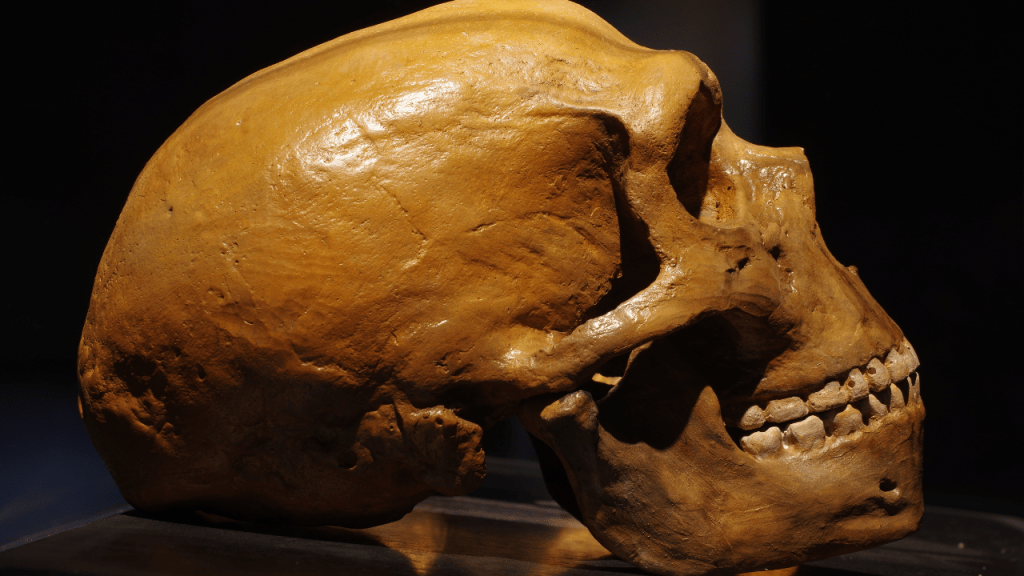
This discovery raises a new perspective: perhaps some of our cognitive differences are not exclusive to our species, but the result of a shared evolutionary history. Thus, what we consider “modern” may be deeply rooted in a much older past.
A Revealing Genetic Finding on Autism
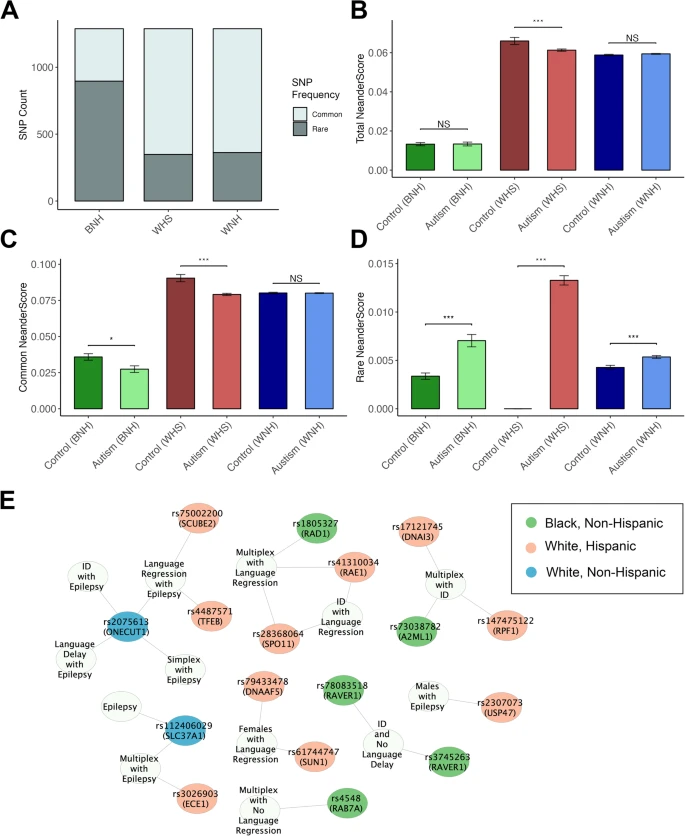
A team from Clemson and Loyola universities analyzed complete genomes of autistic individuals, their non-diagnosed siblings, and a control group. Their finding was clear: certain fragments of Neanderthal DNA, both common and rare, appeared more frequently in those on the autism spectrum.
What was most relevant was not the total amount of Neanderthal DNA, but the presence of specific variants. These affect genes related to connectivity between different brain regions. In particular, greater activity was observed in visual areas and a decrease in the so-called “default mode network,” associated with introspection and spontaneous social interactions.
This pattern matches characteristics that many autistic people report: strong ability to detect patterns, analytical thinking, and certain social fatigue. Far from being a mere disorder, these traits reflect a different—and valuable—form of cognitive processing that may have been useful in ancestral contexts.
Brain Scans and Shared Ancestral Talents
Researchers also used functional MRI scans to observe the effects of these variants on brain activity. The results confirmed the genetic analysis: people with more Neanderthal variants, regardless of an autism diagnosis, showed pronounced activation in visual regions, while areas linked to spontaneous social thinking remained less active.
This neurofunctional profile reflects a cognitive style focused on observation, sustained attention, and structured motor planning. Interestingly, researchers have attributed similar skills to Neanderthals in archaeological contexts, such as tool-making using the Levallois technique, which requires spatial and sequential reasoning.
Thus, some talents that today stand out in fields like engineering, technical art, or mathematics may have a shared evolutionary root. This view not only enriches our understanding of autism but also dignifies cognitive diversity as part of the broad human spectrum.
Neurodiversity as Evolutionary Heritage
Although genetics alone does not explain autism, this study represents a key advance in its understanding. Neanderthal variants do not “cause” autism, but they may increase the likelihood of certain traits in combination with environmental and early developmental factors.
Moreover, this evidence supports a view of neurodiversity not as a modern deviation, but as another expression of our species’ evolutionary mosaic. The global presence of autism across different cultures and eras suggests a deep biological root, not an exclusive product of contemporary society.
In many families, both autistic and neurotypical people share analytical skills, visual creativity, or detail sensitivity. This finding offers a biological framework that makes sense of those connections, showing that our differences can also unite us in a common evolutionary legacy.
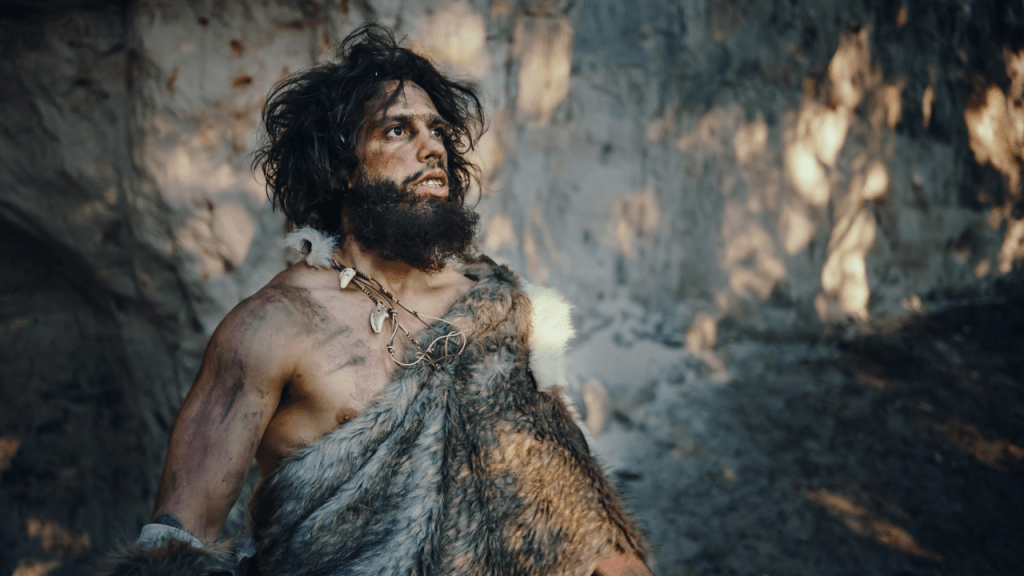
The Neanderthal genetic heritage has left not only physical traces in our DNA, but also subtle influences on our way of thinking and perceiving. Understanding how these variants shape current cognition can change our perspective on autism and neurodiversity. More than an anomaly, these differences are part of what makes us deeply human.
Referencia:
- Enrichment of a subset of Neanderthal polymorphisms in autistic probands and siblings. Link.
COMPARTE ESTE ARTICULO EN TUS REDES FAVORITAS:

Esta entrada también está disponible en:
 Español
Discover more from Cerebro Digital
Subscribe to get the latest posts sent to your email.