


The sedentary lifestyle, a common feature of modern society, has sparked growing concern in the field of health. Increasingly, studies suggest that spending most of the day sitting can have serious long-term consequences for our well-being.
From office work to remote jobs, many people spend long hours at their desks, raising the question: is sitting all day at work slowly killing us?
The impact of sedentary behavior on health


If you’re sitting right now, get ready to read some bad news. A growing body of evidence suggests that many of us have been signing a slow death sentence without even realizing it.
The reason? Low activity, working in an office all day. Basically, sitting. Sedentary behavior not only affects our physical condition but also has repercussions at the metabolic and cardiovascular levels.
A 2017 study involving nearly 8,000 adults revealed that spending more than 12.5 hours a day sitting is associated with a higher risk of early mortality. Even those who exercised regularly were not exempt from this risk, underscoring that physical activity alone does not offset the negative effects of a sedentary lifestyle.
Cardiovascular Risks
Sitting for prolonged periods can slow down metabolism, affecting the body’s ability to regulate blood sugar and blood pressure. These metabolic changes increase the risk of developing cardiovascular diseases such as hypertension and atherosclerosis.
A 2012 Australian study highlighted that even people who engaged in more than 300 minutes of physical activity per week still faced a higher risk of death if they spent too much time sitting.
Diabetes and Other Health Problems
Prolonged inactivity is also linked to a higher risk of developing type 2 diabetes. Sitting for long periods affects the body’s sensitivity to insulin, which can lead to poor control of blood glucose levels. Moreover, sedentary behavior has been shown to increase the risk of certain types of cancer, including colon and breast cancer.
Reducing the Time We Spend Sitting


Despite growing awareness of the risks of sedentary behavior, many people struggle to reduce the time they spend sitting. A report from the United Kingdom estimated that at least 70,000 deaths per year are linked to a sedentary lifestyle, and the financial impact on the public health system is considerable.
Despite these challenges, there are several strategies to mitigate the negative effects of sitting all day.
Incorporating Movement into Daily Routine
tanding up and moving frequently during the workday is crucial to reducing the risks associated with sedentary behavior. A study published in the report Start Active, Stay Active recommended taking regular breaks of one or two minutes to interrupt long periods of sitting. This can include simple activities such as walking around the office, stretching, or making a cup of coffee.
Standing Desks and Other Strategies
Standing desks have become a popular option for those looking to reduce the time they spend sitting. These desks allow height adjustment to work while standing, which helps improve posture and circulation.
Although not all jobs allow the use of standing desks, there are other ways to stay active, such as choosing stairs instead of the elevator or walking while talking on the phone.
Benefits for the Body
- Improves circulation: Walking enhances blood flow, helping to keep the heart healthy and reducing the risk of cardiovascular disease.
- Aids digestion: Movement helps food move through the digestive system, which can prevent problems such as constipation.
- Controls blood sugar: Walking after meals can help regulate glucose levels, which is especially beneficial for people with diabetes.
- Strengthens muscles, bones, and joints: Regular movement strengthens muscles and bones, and keeps joints flexible, reducing the risk of osteoporosis and arthritis.
Benefits for the Mind


- Reduce anxiety: Physical activity releases endorphins, which are known to improve mood and reduce stress.
- Boosts creativity and focus: Walking can stimulate creative thinking and enhance concentration and learning ability.
- Increases serotonin and endorphins: These brain chemicals improve mood and promote an overall sense of well-being.
- Even a short walk can completely change your mental state. A long walk isn’t necessary to start noticing the benefits.
Is standing instead of sitting enough?


Although standing activates more muscles and burns more calories than sitting, it does not replace walking. Standing desks can improve posture and productivity, but they are not enough on their own. Our bodies need regular movement to maintain health.

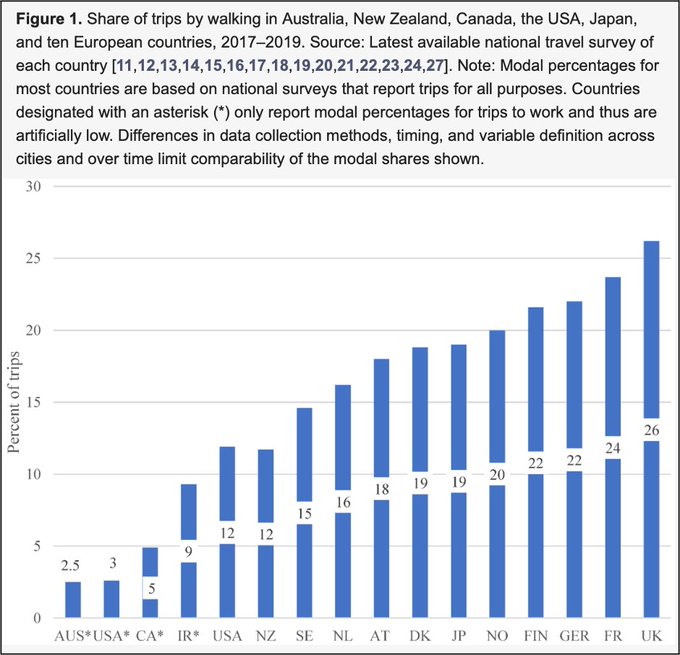
The human body evolved to walk long distances every day; it’s in our genes. Hunter-gatherers walked an average of 10 to 25 km per day. Today, the average person barely walks 3 km. This drastic reduction in physical activity has significant consequences for our health.


Sitting for long periods has become a true silent killer and a public health problem that affects millions of people. Studies show that the more time we spend sitting, the more prone we are to chronic diseases and early mortality.
Reference:
- Annals of Internal Medicine/Patterns of Sedentary Behavior and Mortality in U.S. Middle-Aged and Older Adults. Link.
- PubMed/Sitting time and all-cause mortality risk in 222 497 Australian adults. Link.
- NHS/Why we should sit less. Link.
COMPARTE ESTE ARTICULO EN TUS REDES FAVORITAS:

Esta entrada también está disponible en:


Discover more from Cerebro Digital
Subscribe to get the latest posts sent to your email.