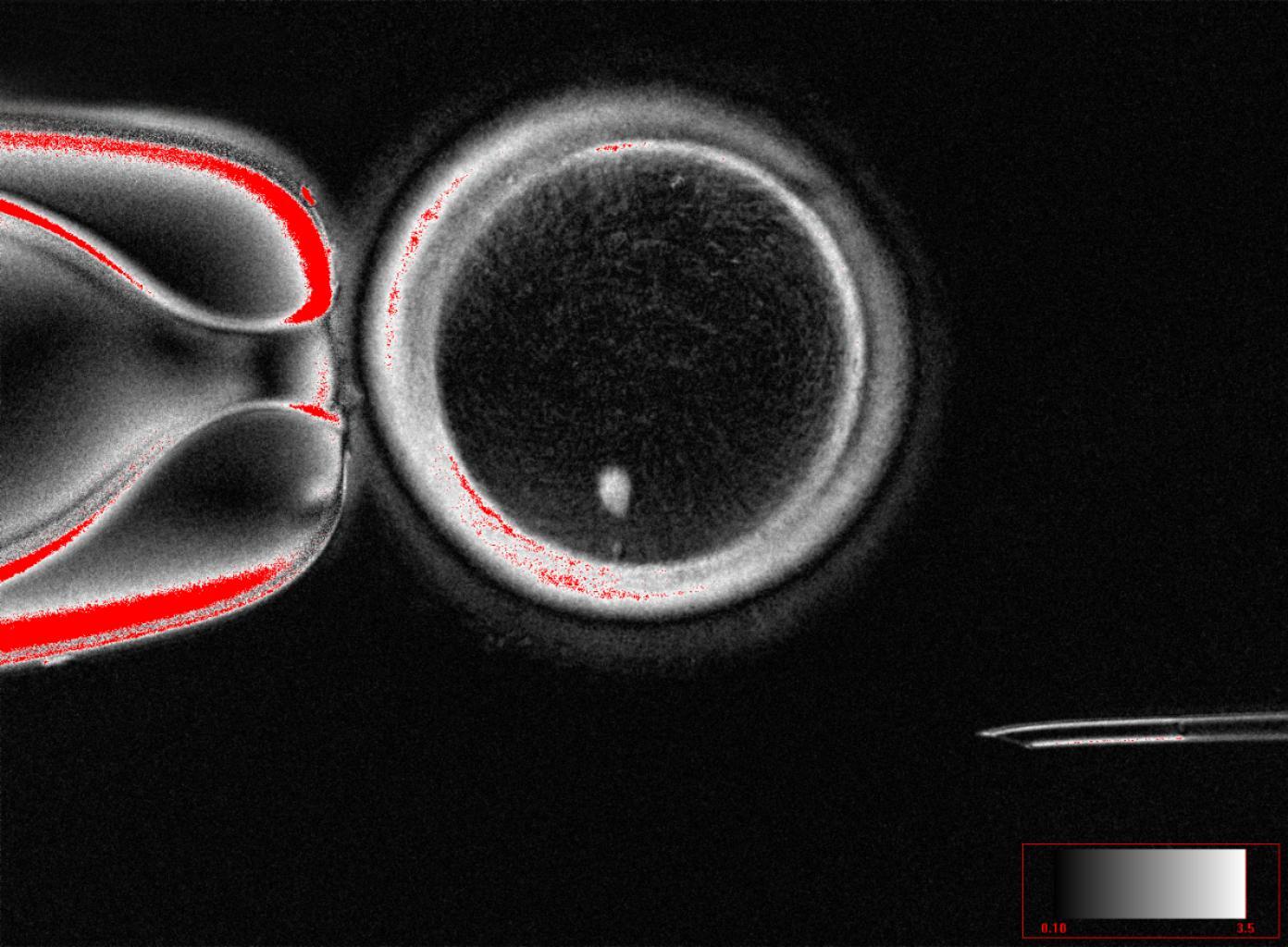

Researchers at Mie University in Japan succeeded in removing the extra copy of chromosome 21 in human cells with Down syndrome using CRISPR gene‑editing technology. This experimental breakthrough opens the possibility of addressing the genetic cause of the condition, which affects 1 in every 700 births, and represents a significant leap in genomic editing capabilities, as it not only corrects genes but eliminates an entire chromosome. The study is published in PNAS Nexus.

CRISPR at the origin of the syndrome: targeting the genetic cause
Down syndrome, also known as trisomy 21, is caused by an extra copy of chromosome 21 that alters the activity of numerous genes. This leads to specific physical characteristics, cognitive difficulties, and various health problems. Until now, treatments have only addressed the symptoms, without intervening at the genetic root.
The team led by Ryotaro Hashizume at Mie University applied CRISPR‑Cas9, a molecular tool capable of cutting specific DNA sequences, to selectively remove the extra copy of the chromosome using a technique called “allele‑specific editing,” which ensures that only the extra chromosome is targeted without damaging the others. After editing, the cells restored normal gene expression patterns and showed more efficient functioning, with reduced cellular stress and greater survival. This type of intervention represents a new level in the treatment of Down syndrome

Possibilities beyond the laboratory
Although this approach is still far from clinical application, researchers managed to remove the extra chromosome not only in stem cells but also in fibroblasts—mature skin cells from people with Down syndrome—suggesting it could be applied in different tissues, even brain cells.
The corrected cells grew faster, produced fewer harmful molecules associated with aging, and improved their mitochondrial function. In addition, the removal of the extra chromosome altered gene activity, activating genes related to nervous system development and reducing those linked to metabolism. These changes support the idea that trisomy 21 disrupts genetic programming from the early stages of fetal development.
Eliminating an entire chromosome: a paradigm shift
This study demonstrates that CRISPR can go beyond correcting small errors and achieve the complete elimination of a chromosome. Although challenges remain, such as avoiding damage to healthy chromosomes and controlling the cell’s repair response, scientists are making progress in improving the precision and safety of the method.
While it is not yet a cure, this work redefines the potential of gene editing to treat chromosomal conditions. It opens the door to future therapies that could directly address the genetic cause of Down syndrome and other related diseases, marking the beginning of a new era in genomic medicine.
Reference:
- Trisomic rescue via allele-specific multiple chromosome cleavage using CRISPR-Cas9 in trisomy 21 cells. Link.
COMPARTE ESTE ARTICULO EN TUS REDES FAVORITAS:

Esta entrada también está disponible en:
 Español
Discover more from Cerebro Digital
Subscribe to get the latest posts sent to your email.