
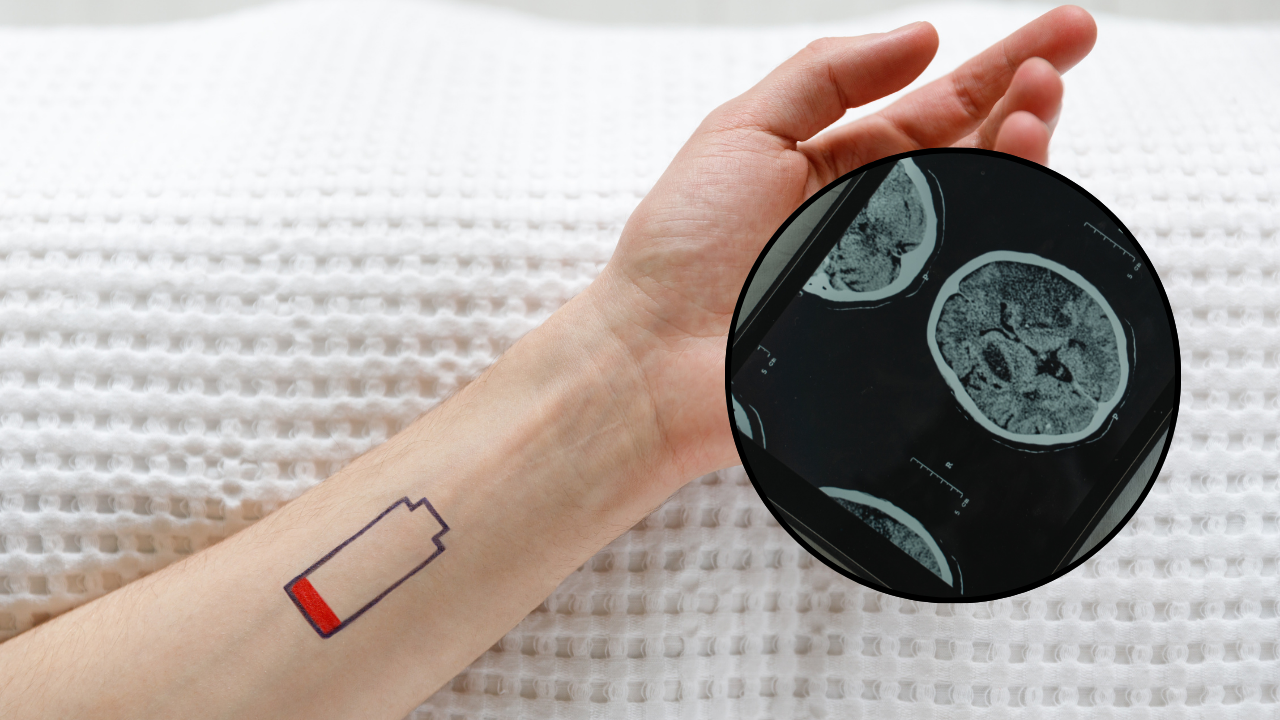
Feeling exhausted for no apparent reason might have a silent neurological cause. A recent study published in Neurology, the medical journal of the American Academy of Neurology, suggests that so-called “mini-strokes” or TIAs could be behind persistent fatigue in many people. Though their symptoms are easy to overlook, aftereffects can last up to a year and seriously impact quality of life.


What Is a TIA and Why Can It Go Unnoticed?
A transient ischemic attack (TIA), also known as a mini-stroke, occurs due to temporary blockage of blood flow to the brain. Unlike a full stroke, symptoms usually last less than 24 hours and disappear without visible signs. However, this doesn’t make it any less serious. Each year, over 240,000 people in the U.S. and 45,000 in the UK suffer a TIA, but only 1 in 30 identifies it as such.
Symptoms can be subtle like muscle weakness, blurry vision, or headaches, leading many to confuse them with minor ailments. But the concern is that even brief events can trigger lasting consequences. The brain, momentarily deprived of oxygen, enters recovery triggering persistent fatigue, both physical and mental.
Fatigue Lasting Longer Than Expected: What Science Says
A Danish research team led by Dr. Boris Modrau from Aalborg University Hospital followed 354 TIA patients for a year. All averaged 70 years old and completed fatigue questionnaires at 2 weeks, then 3, 6, and 12 months post-event.
Results were revealing: 61% showed significant fatigue at 2 weeks, and half still had symptoms a year later. This fatigue affects not just physical state but concentration, mood, and decision-making. Those with prior anxiety or depression were twice as likely to experience prolonged fatigue.

Though observational and not establishing definitive causation, it shows a strong association between TIAs and persistent fatigue. Dr. Modrau stresses follow-up importance, even for seemingly mild or transient symptoms.
How Does a TIA Damage the Brain and Leave Us So Exhausted?
Though TIAs don’t cause extensive neuron death like major strokes, they can inflict minor but significant brain damage. This manifests as muscle weakness, coordination difficulties, sleep problems, and emotional changes—all adding to fatigue perception.
Medically, fatigue is more than tiredness: a persistent exhaustion or energy lack interfering with daily activities even after rest. It can be physical—muscle aches, headaches, digestive discomfort—or mental, like concentration, learning, or reaction issues.


Moreover, blood flow interruption in a TIA can affect brain areas controlling sleep, memory, and emotional regulation. This creates a perfect storm for hard-to-explain but impossible-to-ignore exhaustion.
This study delivers a clear lesson: don’t ignore persistent fatigue, especially with other neurological symptoms, even brief ones. Mini-strokes are more common than thought, with effects lasting far beyond the initial event.
Reference:
- Long-Term Fatigue Following Transient Ischemic Attack. Link.
COMPARTE ESTE ARTICULO EN TUS REDES FAVORITAS:

Esta entrada también está disponible en:


Discover more from Cerebro Digital
Subscribe to get the latest posts sent to your email.