

COVID-19 does not only affect the lungs. New studies show that even fully recovered individuals may present microstructural and chemical brain changes. These findings suggest the virus can leave lasting effects on the brain, even without visible symptoms, raising questions about its long-term neurological impact.
COVID-19 and its impact beyond the respiratory system

Since the beginning of the pandemic, SARS-CoV-2 was primarily identified as a respiratory virus. However, over time, scientific evidence has shown that its impact is much broader. COVID-19 can affect multiple body systems, including the nervous system, the immune system, and other essential functions.
One of the most concerning aspects is its relationship with the brain. Patients with persistent COVID-19 have reported symptoms such as mental confusion, difficulty concentrating, and sleep disorders. These symptoms suggest the virus may alter neurological function even after the infection has resolved.
More surprisingly, these effects are not limited to those with long COVID-19. Recent research has found that even individuals who consider themselves fully recovered may present subtle cognitive deficits, without being aware of them. This indicates that the virus may cause silent changes in the brain.
COVID-19 has proven to be a systemic disease, not just a respiratory one. Its ability to affect the brain reinforces the need to better understand its long-term effects. Scientists now believe that neurological impact may be one of the most important and least visible consequences of this disease.
These discoveries have driven new research focused on understanding how the virus alters brain structure and what this means for the future health of patients recovered from COVID-19.
MRI scans reveal structural and chemical changes
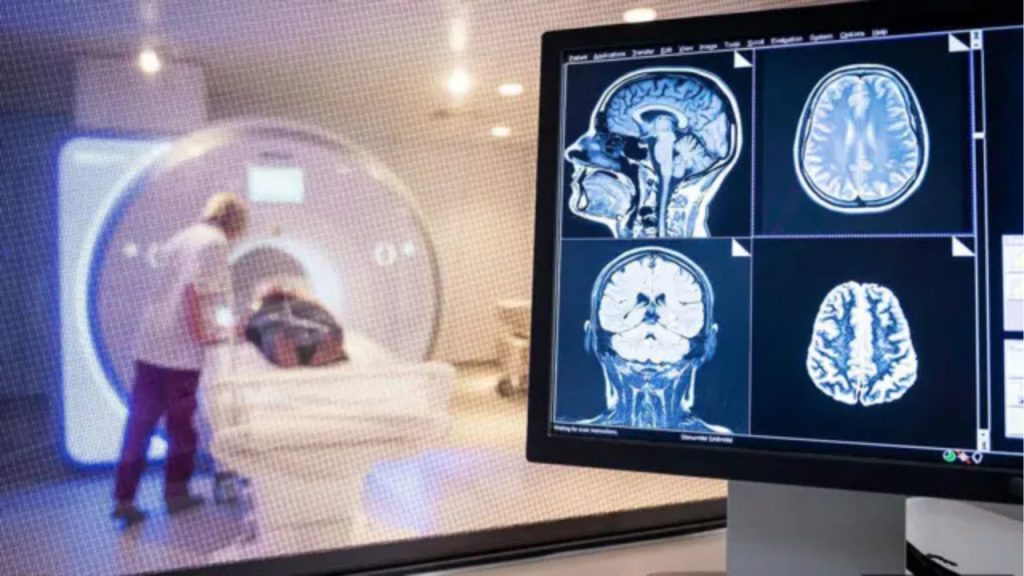
A recent study used multimodal magnetic resonance imaging to analyze the brains of patients with persistent COVID-19, recovered individuals without symptoms, and a healthy control group. This technique allowed researchers to observe both brain structure and chemistry with high precision.
The results showed clear differences in key regions related to memory, cognition, and overall brain function. These differences appeared not only in patients with persistent COVID-19, but also in individuals who did not present symptoms after COVID-19 infection.
One of the most important findings was the change in myelin signal intensity, a substance that protects neurons. This increase may represent a remyelination process, meaning the brain’s attempt to repair damage caused by COVID-19.
Alterations were also observed in the brainstem, a region essential for automatic functions such as breathing and heart rate. This finding aligns with other studies linking this area to persistent symptoms after COVID-19.
In addition, researchers detected brain metabolic imbalances, indicating changes in the brain’s chemical activity. These changes correlated with symptom severity in some patients, suggesting a direct relationship between the virus responsible for COVID-19 and brain function.
These results confirm that the impact of COVID-19 can be profound, even when symptoms disappear.
A silent effect that could last for years
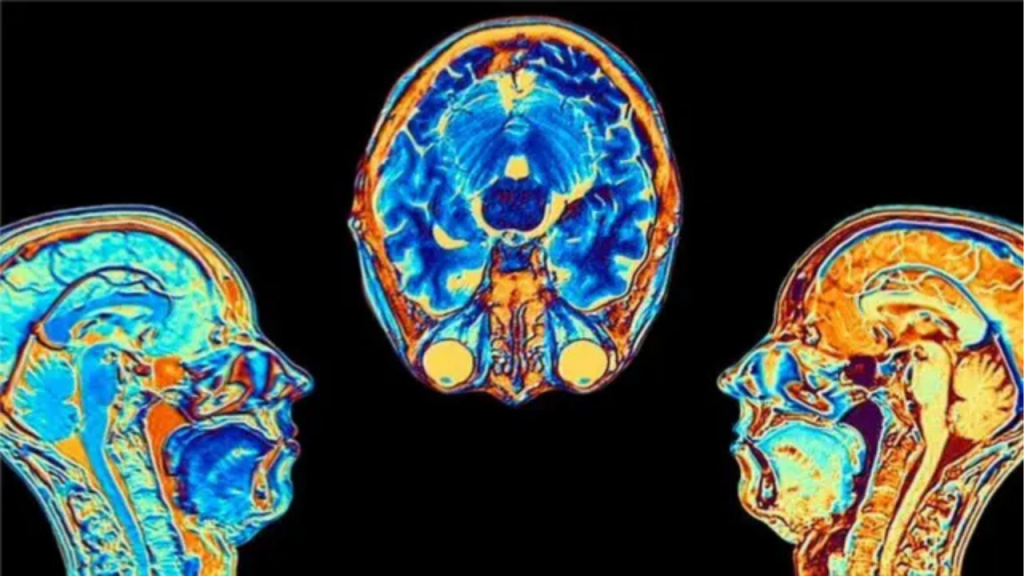
One of the most concerning aspects of this study is that brain changes were observed even in individuals considered fully recovered from COVID-19. This suggests the virus may leave an invisible footprint, without causing obvious symptoms.
The brain appears to activate compensatory mechanisms to adapt to these changes caused by COVID-19. For example, increased brain signal intensity may indicate the brain is trying to maintain normal function despite previous damage.
However, these compensatory mechanisms may not be sufficient in the long term. There is a possibility that these changes could contribute to future cognitive problems or increase vulnerability to other neurological diseases after COVID-19.
Scientists emphasize that this study is exploratory, but its findings are significant. They reveal that COVID-19 may have lasting consequences that are not yet fully understood.
These findings highlight the importance of continued research. Understanding these effects is essential to develop treatment and prevention strategies that protect the brain health of millions of people who have contracted COVID-19.
Evidence shows that COVID-19 can leave lasting brain changes, even without visible symptoms. These findings highlight the need for continued research into its neurological effects. Understanding these alterations will be key to protecting brain health and anticipating possible future consequences in people recovered from the virus.
Reference:
- Brain, Behavior, & Immunity – Health/Altered brain tissue microstructure and neurochemical profiles in long COVID and recovered COVID-19 individuals: A multimodal MRI study. Link
COMPARTE ESTE ARTICULO EN TUS REDES FAVORITAS:

Esta entrada también está disponible en:
 Español
Discover more from Cerebro Digital
Subscribe to get the latest posts sent to your email.