
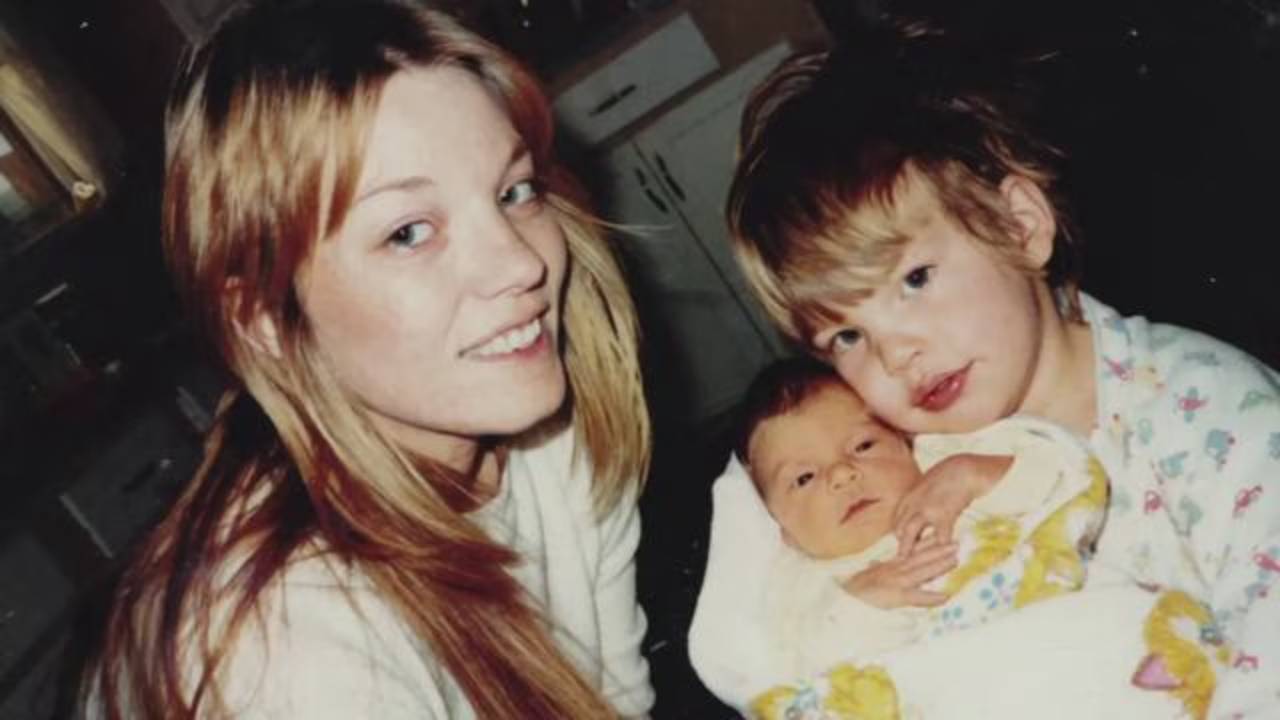
In 1984, an innovative and risky medical procedure shocked the world: the story of Baby Fae, a newborn girl who received a baboon heart transplant in a desperate attempt to save her life. This event, both controversial and pioneering, marked the beginning of an era of unprecedented advances in pediatric transplant medicine and raised global awareness about the importance of infant organ donation.
Baby Fae and Dr. Bailey


Stephanie Fae Beauclair, publicly known as Baby Fae, was born in 1984 with hypoplastic left heart syndrome, a rare and fatal condition in which the left side of the heart is underdeveloped and cannot pump blood effectively.
At that time, there were no viable surgical options to save babies with this condition. Dr. Leonard Bailey, a pioneering cardiac surgeon at Loma Linda University in California, had been researching cross‑species organ transplants, known as xenotransplantation, in an effort to find a solution.
With the approval of Baby Fae’s parents and no human alternatives available, Dr. Bailey performed the first baboon‑to‑human heart transplant. The operation was initially successful, and the small baboon heart began beating in Baby Fae’s chest. This unprecedented procedure in pediatric medicine gave the baby 21 additional days of life, during which she became a symbol of hope and global debate about the limits of medicine and the ethics of animal‑to‑human transplants.
The impact of this medical process


Although Baby Fae did not survive beyond three weeks after the operation, her story revolutionized the field of pediatric transplants and increased public awareness of the urgent need for organ donation in children. The media attention surrounding her case also inspired a new generation of medical students and health professionals to take interest in pediatric cardiac surgery and transplants.
The following year, in 1985, Dr. Bailey faced another case of a child needing a heart transplant, but this time a human donor was available in time. Thanks to the experience and lessons learned from Baby Fae, Bailey successfully performed a human heart transplant on baby Eddie Anguiano, known as Baby Moses. This transplant was a milestone in pediatric medicine, and little Eddie lived a long and healthy life with the transplanted heart, becoming one of the longest‑surviving infant transplant patients to date.
The story of Baby Fae and Dr. Bailey’s pioneering work left an indelible mark on the medical field. Transplants performed at Loma Linda University Children’s Hospital have since saved hundreds of children, and the focus on pediatric organ donation has gained greater recognition and support.
Technological and ethical advances in transplantation have also evolved over the years, with stricter protocols and new research alternatives, including genetically modified xenotransplants to minimize rejection.
Baby Fae’s brief life and Dr. Bailey’s legacy are powerful reminders of the sacrifices and risks involved in medical innovation, as well as the importance of organ donation to save young lives. Today, Baby Fae’s story is seen as a crucial moment in medicine that continues to drive exploration of new horizons to improve and extend human life.
Reference:
- Loma Linda University Health/Infant Heart Transplantation. Link.
COMPARTE ESTE ARTICULO EN TUS REDES FAVORITAS:

Esta entrada también está disponible en:


Discover more from Cerebro Digital
Subscribe to get the latest posts sent to your email.