A recent scientific study suggests that following a 48-hour oat-based diet may significantly reduce “bad” cholesterol and maintain that effect for weeks. The research opens new possibilities regarding the role of the gut microbiota in cholesterol metabolism.
A Clinical Trial Reveals a Significant Drop in Cholesterol LDL
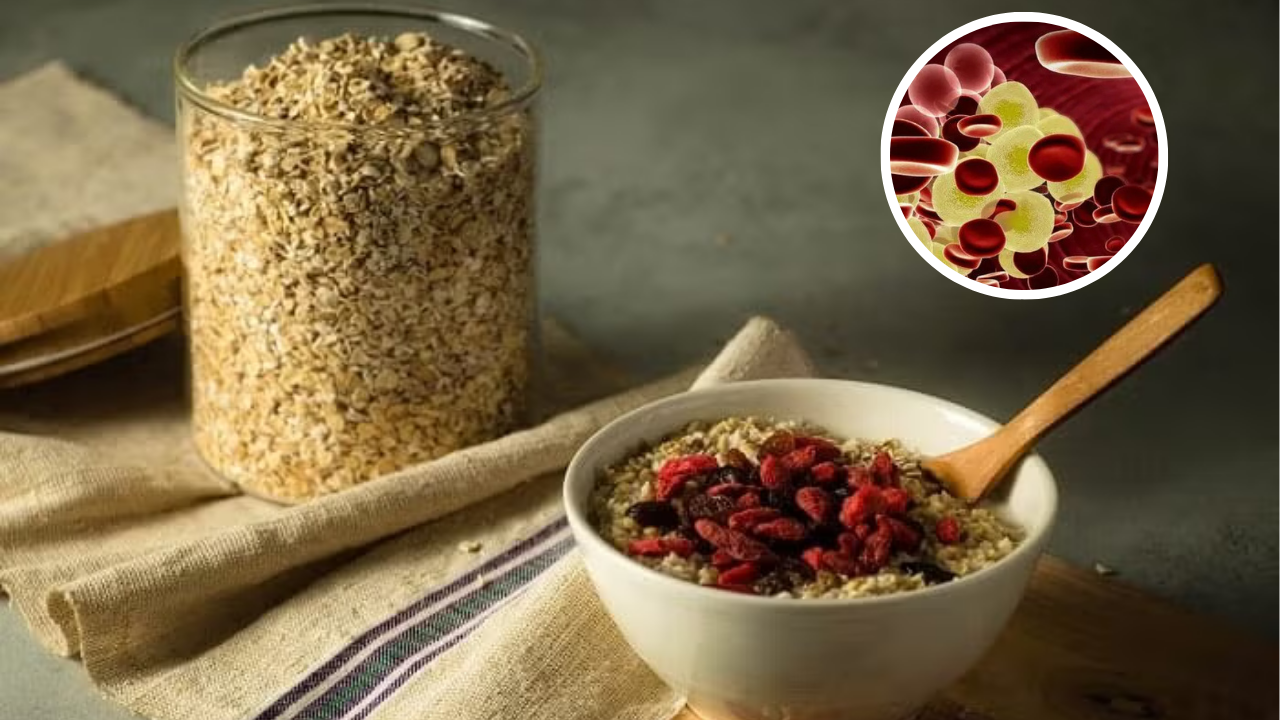
The study, published in Nature Communications, analyzed 32 adults with metabolic syndrome, a condition associated with overweight, hypertension, and elevated blood sugar levels. Of these, 17 participants followed a low-calorie diet composed almost exclusively of oats for 48 hours. They consumed 100 grams of oat flakes boiled in water three times a day, with the only option of adding selected fruits and vegetables, without salt, sugar, or sweeteners.
The control group, made up of the remaining 15 volunteers, also followed a reduced-calorie “healthy” diet but did not consume oats. Both groups cut their calorie intake in half for two days before returning to their normal eating habits.
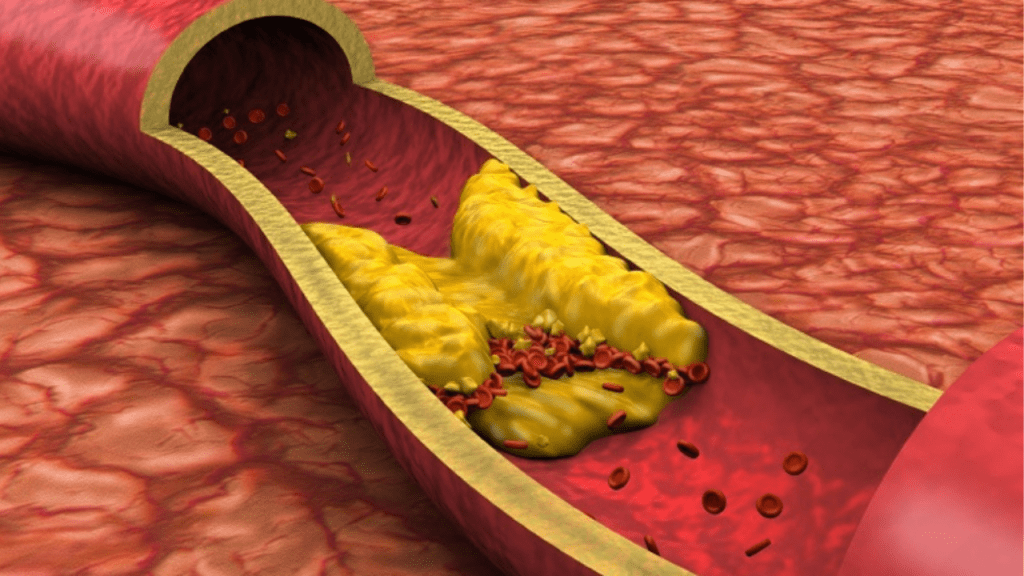
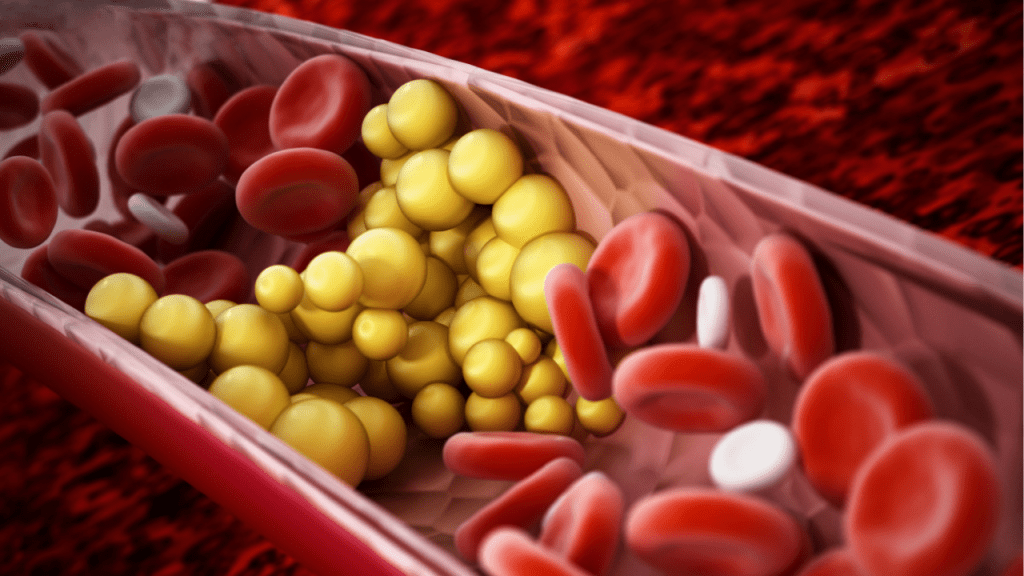
The results were clear. Immediately after the intervention, the oat group experienced an 8% decrease in total cholesterol and an approximately 10% reduction in low-density lipoproteins (LDL), the so-called “bad” cholesterol, significantly greater than the reduction observed in the control group. Participants also showed slight weight loss and modest reductions in blood pressure.
Although this decrease does not match the effect of high-dose statins, researchers emphasized that it represents a substantial reduction achieved solely through diet. Most strikingly, LDL levels remained below baseline values even six weeks after participants resumed their normal diet, maintaining an improved cholesterol profile.
The Gut Microbiota: The Key Behind Oats’ Effect

Beyond the reduction in cholesterol, the most relevant finding of the study was the possible biological mechanism responsible for the effect. Researchers analyzed fecal and blood plasma samples and found that oats alter the composition of the gut microbiota.
Specifically, they observed an increase in certain bacteria capable of producing phenolic compounds when breaking down oats. Among them is ferulic acid, which animal studies have shown to have positive effects on cholesterol metabolism. Researchers also examined dihydroferulic acid, a bacterial byproduct that appeared to reduce cholesterol storage in the body.
These findings suggest that it is not only oat fiber driving the benefit, but also the metabolites produced by gut bacteria. In other words, the interaction between food and microbiota may explain the sustained reduction in LDL cholesterol even weeks after the diet ended.
This perspective reinforces the idea that cardiovascular health is deeply connected to the balance of the intestinal ecosystem, and that short dietary interventions may trigger longer-lasting metabolic changes in cholesterol levels.
Can This Strategy Be Applied to the General Population?
Despite the promising results, researchers caution that the study was small and that all participants had metabolic syndrome. Therefore, it cannot be assumed that the same effects would occur in the broader population without this condition.
In a second trial, 17 volunteers consumed 80 grams of oats daily for six weeks without additional dietary restrictions. While some benefits were observed, the longer and less extreme oat diet did not produce the same rapid and pronounced drop in cholesterol seen with the intensive 48-hour intervention.
This suggests that the brief and concentrated strategy may have a distinct metabolic impact compared to moderate long-term consumption. However, larger studies are needed to confirm these findings and determine whether repeating an intensive oat-based diet every six weeks could have a lasting preventive effect against cardiovascular disease and type 2 diabetes, particularly in relation to cholesterol control.
Researchers also noted that although the study received funding from entities within the food sector, sponsors had no role in the study design or data analysis.
A short 48-hour diet based on oats could reduce LDL cholesterol and maintain that benefit for weeks. Although the findings are preliminary, the link between the gut microbiota and cholesterol opens a promising avenue for preventive nutritional strategies. Larger studies are needed to confirm its true scope.
Reference:
Nature Communications/Cholesterol-lowering effects of oats induced by microbially produced phenolic metabolites in metabolic syndrome: a randomized controlled trial. Link
COMPARTE ESTE ARTICULO EN TUS REDES FAVORITAS:

Esta entrada también está disponible en:
 Español
Discover more from Cerebro Digital
Subscribe to get the latest posts sent to your email.