
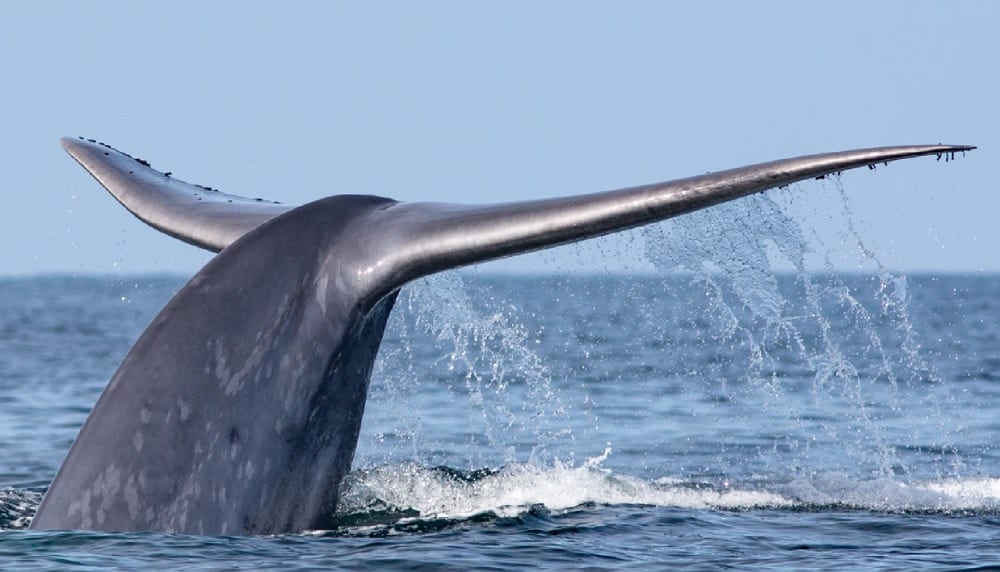
For millions of years, blue whales have filled the oceans with their deep, resonant song. Today, those echoes are fading. Recent research reveals that climate change, marine heat waves, and acoustic pollution are silencing these marine giants, sending a warning about the health of ocean ecosystems.
The Lost Language of Blue Whales

Beneath the waters of the Pacific off California, a hydrophone anchored at 3,000 feet deep has recorded the ocean’s sound pulse for over six years. These underwater microphones capture an acoustic landscape where each whale call reveals information about feeding, reproduction, and well-being.
In 2015, as a research team began monitoring, an unusual phenomenon erupted: a massive marine heat wave known as The Blob. This event drastically reduced krill, essential food for blue whales and common minke whales.
Unlike humpbacks, which have a more varied diet, these species depend almost exclusively on these tiny crustaceans. The result was devastating: blue whale vocalizations dropped 40%, reflecting energy expenditure focused solely on food search.
Extreme Heat and Ecosystems in Crisis

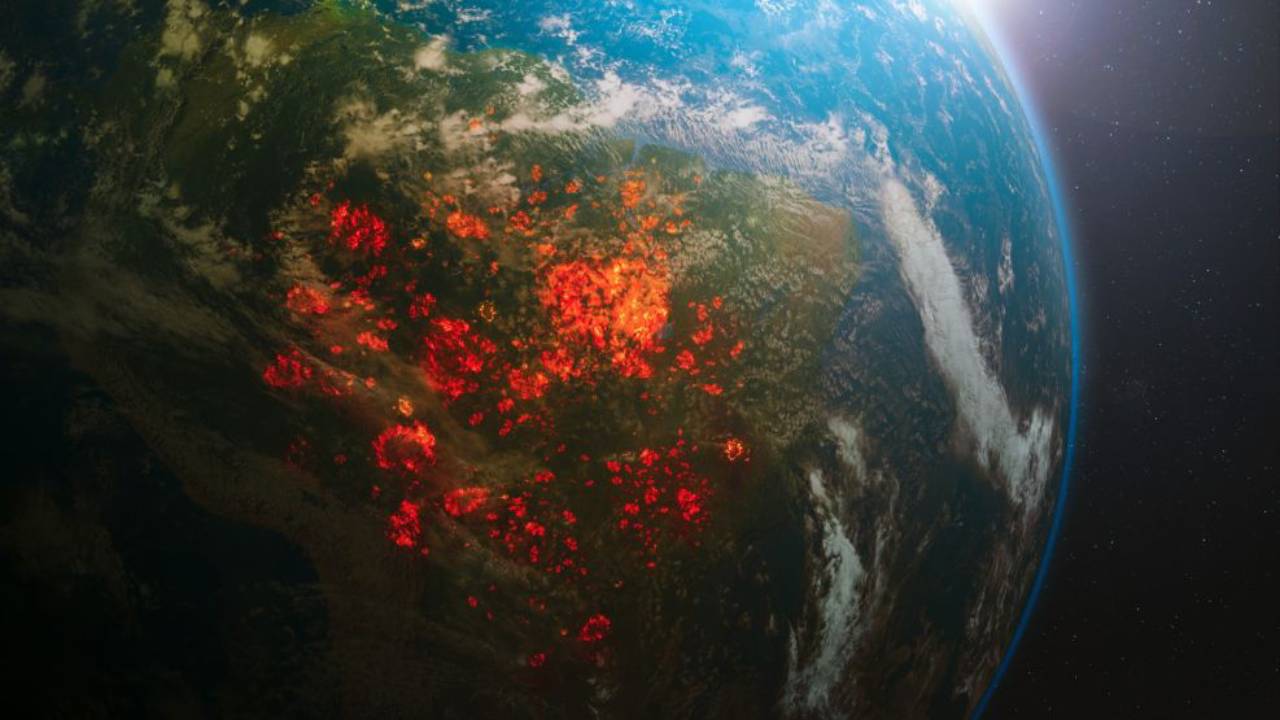
The Blob began in 2013 as a patch of warm water in the Gulf of Alaska and rapidly expanded to cover over 2,000 miles of the Pacific by 2016, with temperatures up to 4.5°F above average. This event, worsened by climate change, disrupted food chains and caused unprecedented krill and anchovy shortages.
Recent studies show marine heat wave duration has tripled since the 1940s, now 1°C warmer on average. These changes create lasting effects long after temperatures normalize, especially in long-lived species like whales, which can live up to 80 years.
The same trend recorded in California appeared in New Zealand waters between 2016 and 2018. There, scientists detected fewer “D calls” associated with feeding and reduced mating song intensity after warm seasons. “When feeding opportunities decrease, they invest less energy in reproduction,” explains Dawn Barlow, marine ecologist at Oregon State University.
These records position whales as ocean sentinels: their silence signals deep ecosystem imbalances.
Listening to Protect: The New Frontier of Conservation
Sound is a powerful tool to understand ocean changes, but we still lack a clear record of what a pristine sea sounds like. The COVID-19 pandemic offered a brief experiment: reduced shipping traffic lowered underwater noise, and animals altered distribution and behavior, as if seizing a respite from constant human clamor.
Acoustic pollution, combined with heat waves and overfishing, creates an increasingly hostile environment for whales. With broader hydrophone networks, scientists could monitor ecosystems in real time, anticipate food crises, and design more effective conservation strategies.
Researchers warn that if extreme events repeat more frequently, we could face ocean tipping points. A silent ocean isn’t just a whale problem: it affects the sea’s carbon absorption capacity, sustains fisheries, and maintains marine life balance.
The progressive silence of blue whales sends a clear message: oceans are changing alarmingly. Listening to and analyzing their songs not only helps us understand these shifts but could be key to preserving marine health on a hotter, noisier planet.
Referencia:
- Plos One/Audible changes in marine trophic ecology: Baleen whale song tracks foraging conditions in the eastern North Pacific. Link
COMPARTE ESTE ARTICULO EN TUS REDES FAVORITAS:

Esta entrada también está disponible en:
 Español
Discover more from Cerebro Digital
Subscribe to get the latest posts sent to your email.