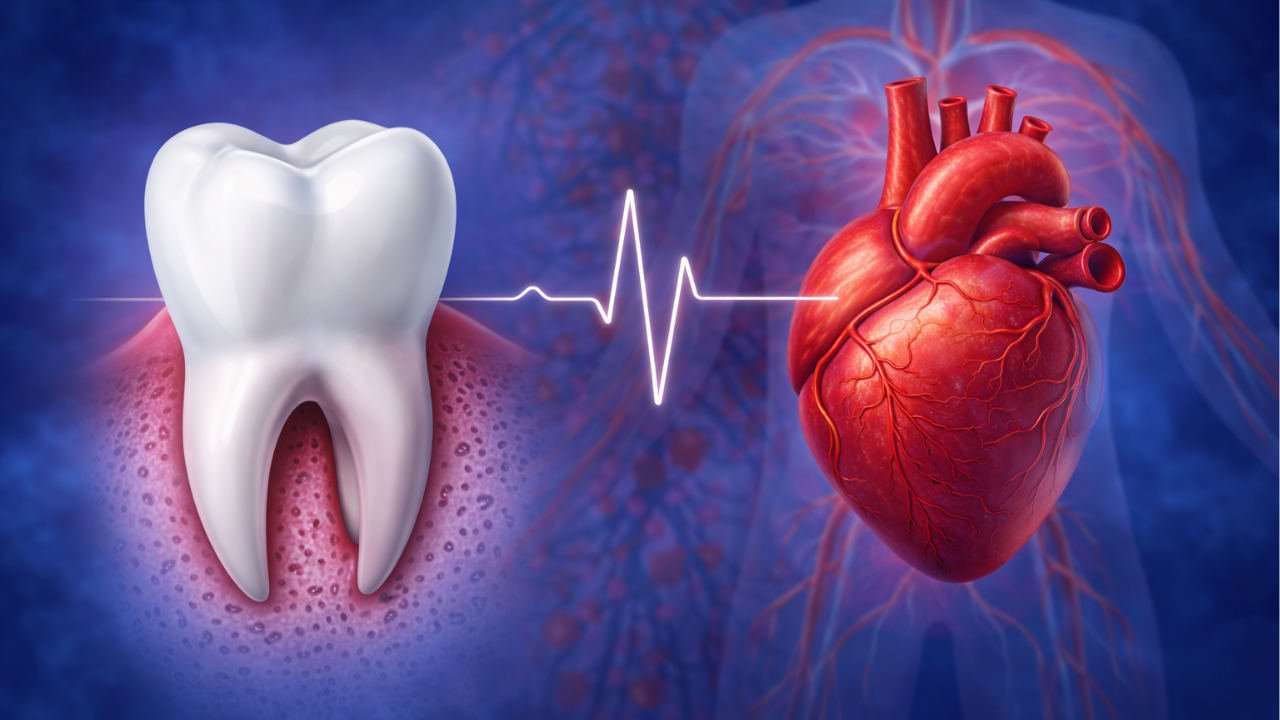
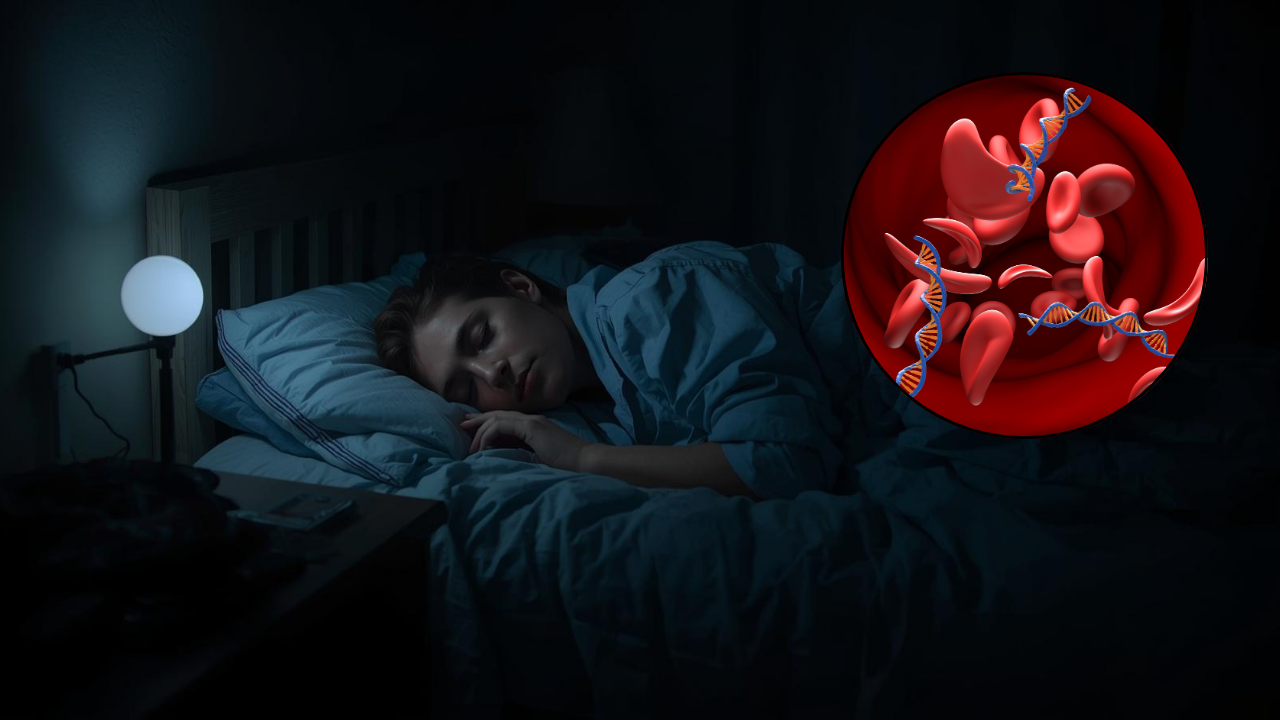
A study from Northwestern Medicine, published in PNAS, shows that even moderate light during sleep can affect your heart, metabolism, and sleep quality. Sleeping in complete darkness improves physical recovery and reduces the risks of diseases such as diabetes, obesity, and cardiovascular problems, making it an essential habit to protect your long-term health.
How nighttime light disrupts your heart and your sleep
leeping with light in the room activates the autonomic nervous system, keeping the body in a state of alert even without waking up. Normally, at night, the parasympathetic system lowers heart rate and promotes recovery. Exposure to moderate ambient light disrupts this process: the heart beats faster, the strength of the beats increases, and blood circulation accelerates, preventing deep rest. Just one night of light can alter sleep physiology, according to the Northwestern study. Sleeping in complete darkness allows the body to enter a restorative state, essential for hormonal regulation, cardiovascular health, and truly deep sleep. Closing curtains, lowering blinds, and turning off nearby lights is not a minor detail but a key strategy to protect your heart and improve sleep quality.
Night light and its impact on metabolism and weight
Exposure to light at night also affects glucose regulation and increases the risk of insulin resistance. This occurs when muscle, liver, and fat cells do not efficiently use glucose, forcing the pancreas to produce more insulin and raising blood sugar levels. Over time, the risk of type 2 diabetes increases and weight gain is favored. Studies show that those who sleep with moderate ambient light have more overweight and obesity than those who sleep in darkness. Reducing light exposure with blackout curtains or eye masks helps maintain balanced metabolism and protects endocrine health. Sleeping in darkness allows the brain and body to properly regulate glucose and hormones, promoting more restorative rest and a healthy metabolism.

Practical tips for sleeping in complete darkness
Protecting your sleep is easier than it seems. Turn off all direct lights and, if you need illumination for safety, use dim amber or red lights away from the bed. Avoid white or blue lights that stimulate the brain. Blackout curtains, eye masks, and rearranging the room to block outside light are effective strategies. These small changes help the body enter deep rest, supporting hormonal regulation, cardiovascular recovery, and a balanced metabolism. Sleeping in darkness is not just about comfort: it is a habit that naturally and effectively protects your health.

Light during sleep disrupts the heart, metabolism, and sleep quality. Turning off lights, closing curtains, and shielding from outside light may seem simple, but the benefits are enormous: improved sleep, regulated glucose, and reduced risk of chronic diseases. Sleeping in complete darkness is one of the most effective actions to naturally protect your health and ensure restorative rest.
Reference:
- Light exposure during sleep impairs cardiometabolic function. Link.
COMPARTE ESTE ARTICULO EN TUS REDES FAVORITAS:

Esta entrada también está disponible en:
 Español
Discover more from Cerebro Digital
Subscribe to get the latest posts sent to your email.