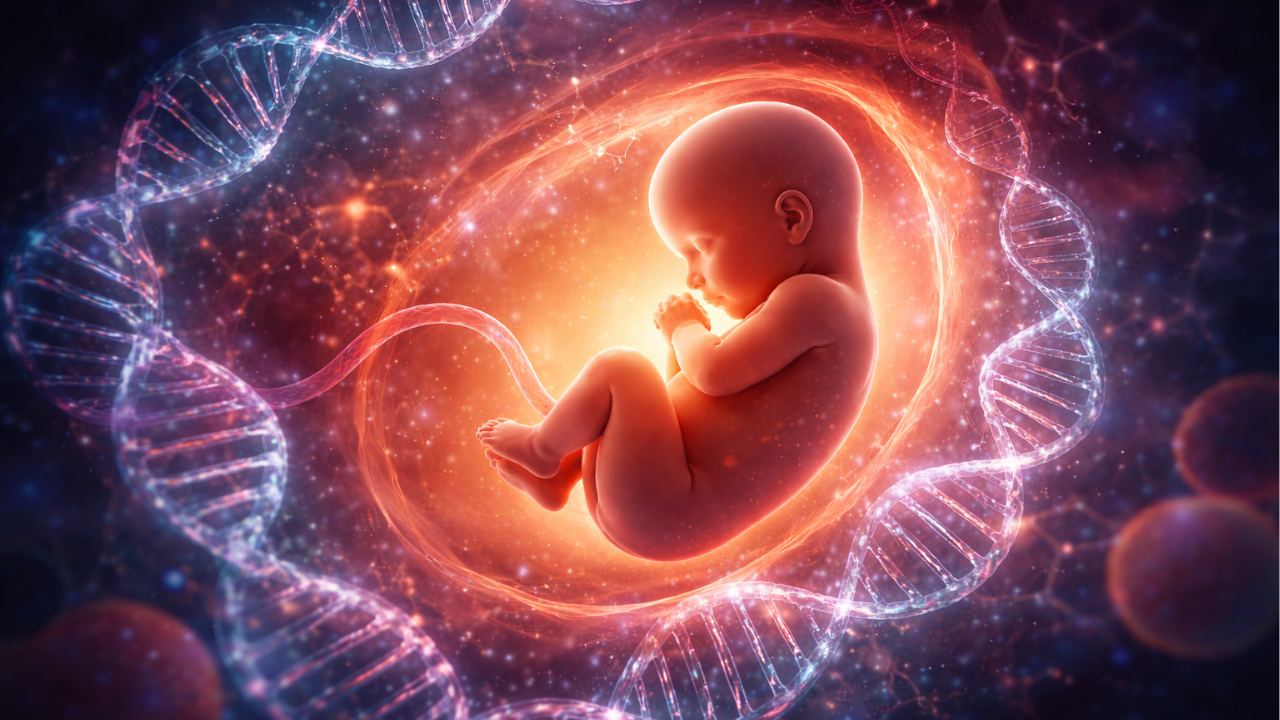

Though sounding like sci-fi, a supercomputer just forecasted when life on Earth ends. No imminent catastrophe, but inevitable: planetary uninhabitability from Sun’s life cycle.
Supercomputer’s Apocalyptic Prediction
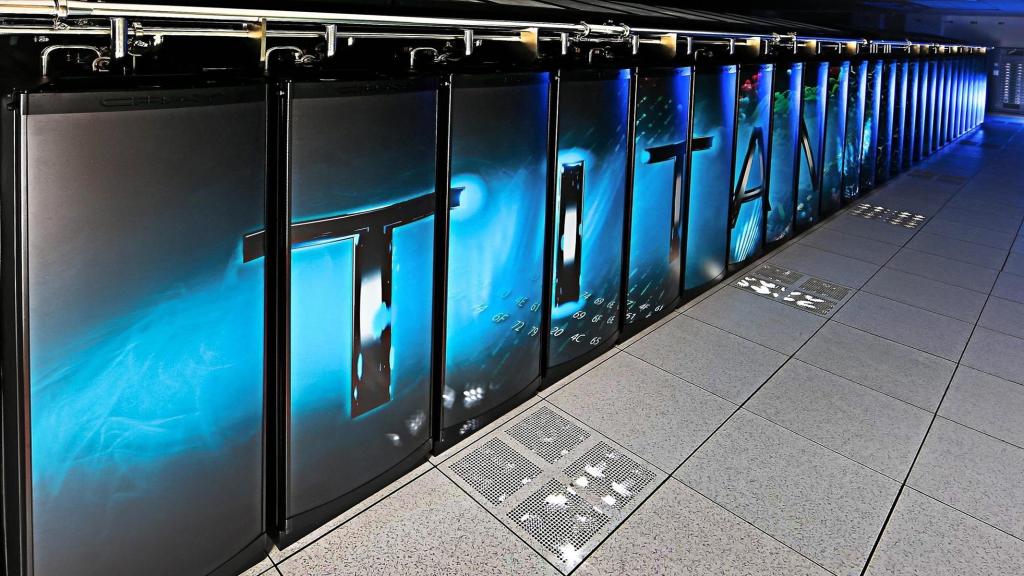
April 2025, LaGrada reported scientists using supercomputer pinpointed Earth’s survival limit. Life as known vanishes ~1 billion years as conditions turn unsustainable—scientific consensus on Earth’s non-eternal favorability.
May 6, 2025, BGR detailed NASA & Toho University scientists’ supercomputer solar system simulation. Precise verdict: around year 1,000,002,021, gradual solar temperature rise collapses life-sustaining conditions.
Cause: Sun’s aging boosts energy output, intensifying natural global warming. Imperceptible short-term, but millions of years evaporate oceans, strip atmosphere, halt biology.
Not new hypothesis—astrobiologists/climatologists long analyzed stellar evolution’s habitable planet impact. Now, advanced climate/biogeochemical models project cosmic timescales precisely.
Oxygen’s Role and Biosphere Demise

Habitability loss gradual, beyond just heat. Crucial: oxygen for complex life. 2021 Nature Geoscience study by Toho’s Kazumi Ozaki & Georgia Tech’s Christopher T. Reinhard previewed this.
Integrated climate/biogeochemistry model projected atmosphere evolution. Key: current oxygen—from eons of photosynthesis—isn’t permanent. ~1 billion years, atmospheric O₂ vanishes from solar boost & planetary chemical shifts.
They noted: “Earth’s atmospheric oxygen signals life. But this biosignature has time limit.”
Pre-Sun inferno, multicellular breathing/prospering atmospheric base lost.
Progressive O₂ loss + extreme climate slashes biodiversity. Complex life dies first; microbes linger in extremes. Ultimately, all extinct sans liquid water/moderate temps.
Inescapable Future, But Scientifically Valuable

Year 1,000,002,021 distant, yet aids habitable planet evolution understanding. Supercomputer projections guide exoplanet life searches.
Experts/supercomputer stress biosignatures like atmospheric oxygen duration key for life-possible worlds. Ozaki/Reinhard findings shape astrobiology: “Oxygenated atmosphere planet? Check evolutionary phase—not just water/temp.”
Also refines long-term climate models, assesses other worlds’ atmospheric risks, preps future generations/civilizations for new worlds colonization.
Supercomputer sets Earth’s life timeline end: 1,000,002,021. Remote, but underscores truth: planet not eternally habitable. Far from fear, prediction boosts science’s role—understanding present, forecasting future, expanding life search beyond blue home.
Reference:
- Nature Geoscience/The future lifespan of Earth’s oxygenated atmosphere. Link
COMPARTE ESTE ARTICULO EN TUS REDES FAVORITAS:

Esta entrada también está disponible en:
 Español
Discover more from Cerebro Digital
Subscribe to get the latest posts sent to your email.