
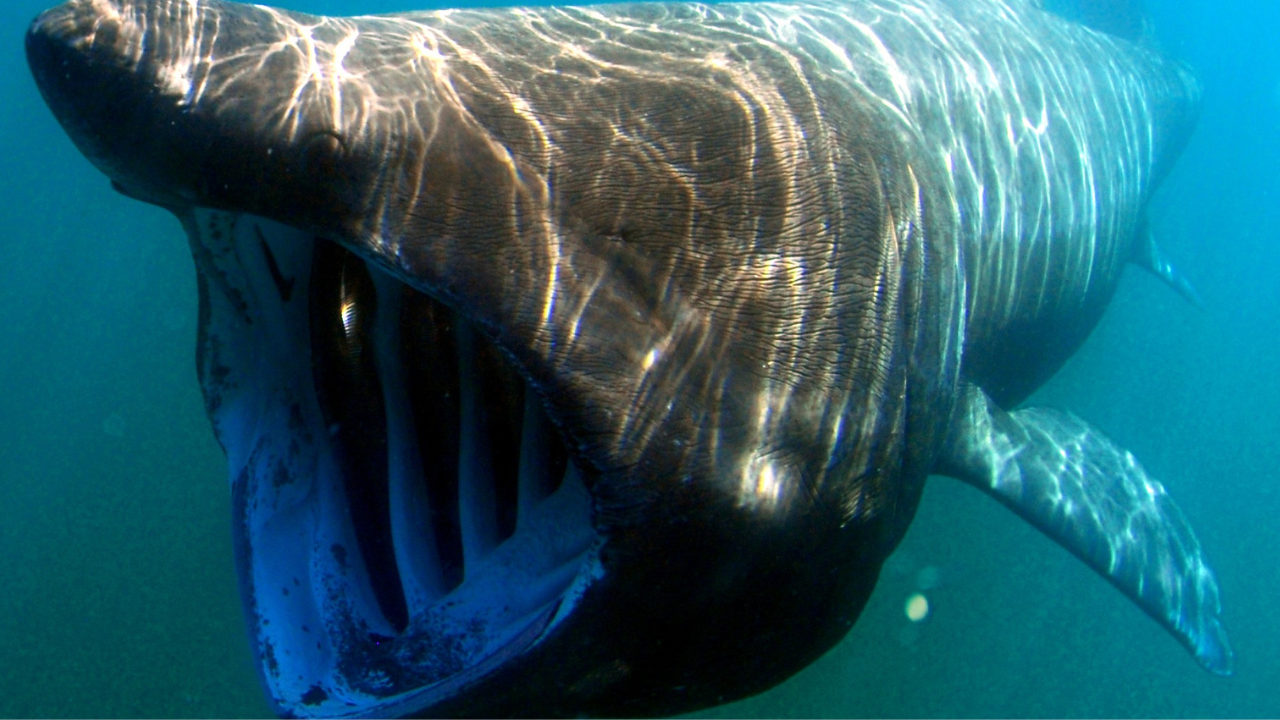
In 2020, a team of scientists studying sharks attached a tracker to a female porbeagle shark in order to analyze its habits and identify potential conservation zones. What they didn’t expect, however, was that this tracker would record a surprising case of predation: a larger shark devoured the porbeagle. This discovery, published in Frontiers in Marine Science, offers new insight into the interactions between large shark species.

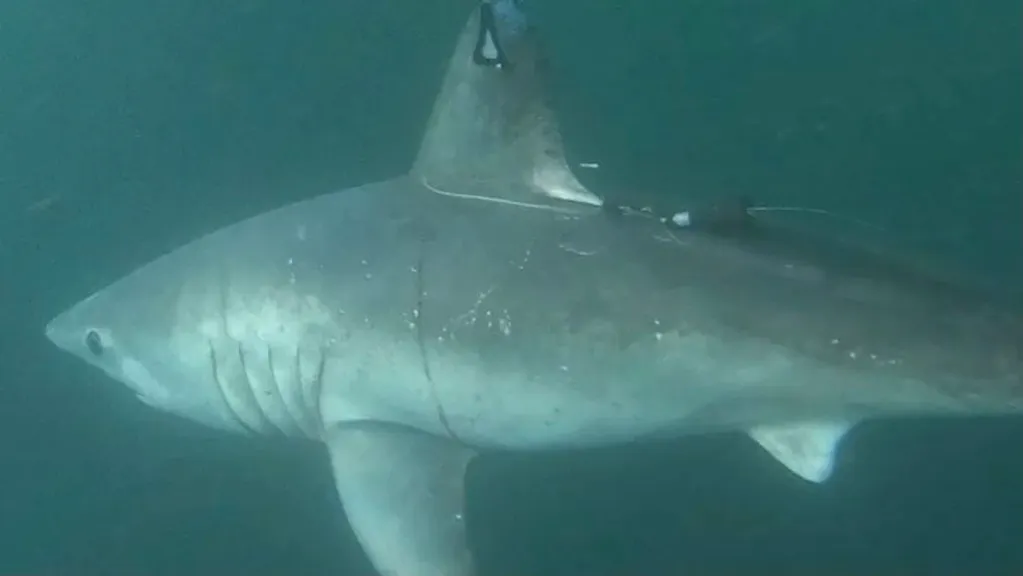
Jon Dodd
An Unexpected Discovery
In October 2020, a group of scientists led by Dr. Brooke Anderson, a marine fisheries biologist with the North Carolina Department of Environmental Quality, tagged a female porbeagle shark off the coast of Cape Cod, Massachusetts. The goal was to better understand the movements and habitats of these sharks, especially pregnant females, to aid conservation efforts. They used satellite tags capable of recording location, temperature, and depth.
The tagged porbeagle measured 2.2 meters long and spent five months submerged. During its journey, it swam at depths between 100 and 800 meters, experiencing temperatures ranging from 6.4°C to 23.5°C. It wasn’t until March 2021 that scientists were shocked to discover that the tracker had begun transmitting data from the ocean’s surface, suggesting it had detached from the shark.
Upon analyzing the data, the researchers found that over a four-day period, the tracker’s temperature readings remained unusually high, suggesting it had been ingested by a warm-blooded predator—most likely a larger shark.
The Suspects: A Great White or a Mako

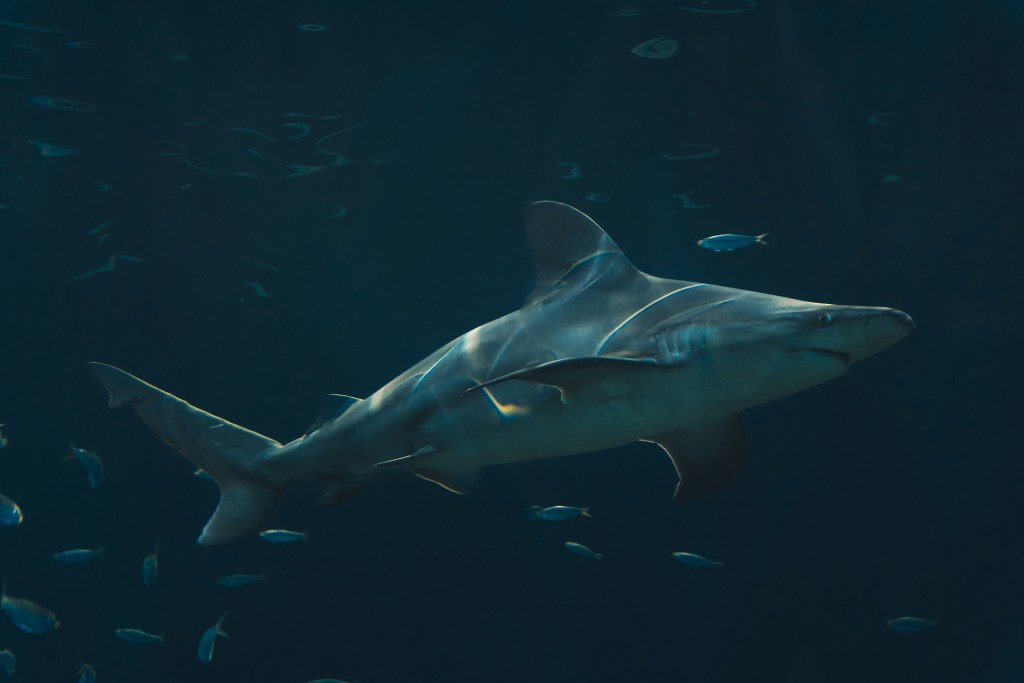
Following the discovery, the team investigated what could have hunted the porbeagle. Among the likely culprits were two major predators: the great white shark and the shortfin mako shark. Both belong to the lamnid family—a group of sharks known for maintaining body temperatures higher than the surrounding water.
The great white shark, renowned for its size and strength, feeds on whales, seals, and other sharks. Dr. Anderson and her team suspect it was a great white that consumed the porbeagle, as the data from the tracker matched the diving behavior typical of great whites, which are known to hunt other sharks in deep waters.
This finding reshapes our understanding of marine predator interactions. Although large sharks preying on one another is not unprecedented, such events are rarely documented, making this case a significant step forward in shark research.
Conservation Implications


The discovery also carries implications for the conservation of porbeagle sharks, a vulnerable species. The Northwest Atlantic porbeagle is listed as vulnerable by the International Union for Conservation of Nature due to overfishing and habitat loss. Furthermore, bycatch in fishing nets has placed additional pressure on porbeagle populations. The loss of a reproductive female, such as the one predated in this case, impacts not only the current population but also future generations, as the developing pups are lost too.
Researchers believe this kind of predation may be more common than previously thought, underscoring the need for continued investigation into interactions among large sharks and how these affect marine biodiversity.
Reference:
- First evidence of predation on an adult porbeagle equipped with a pop-off satellite archival tag in the Northwest Atlantic. Link.
COMPARTE ESTE ARTICULO EN TUS REDES FAVORITAS:

Esta entrada también está disponible en:


Discover more from Cerebro Digital
Subscribe to get the latest posts sent to your email.