

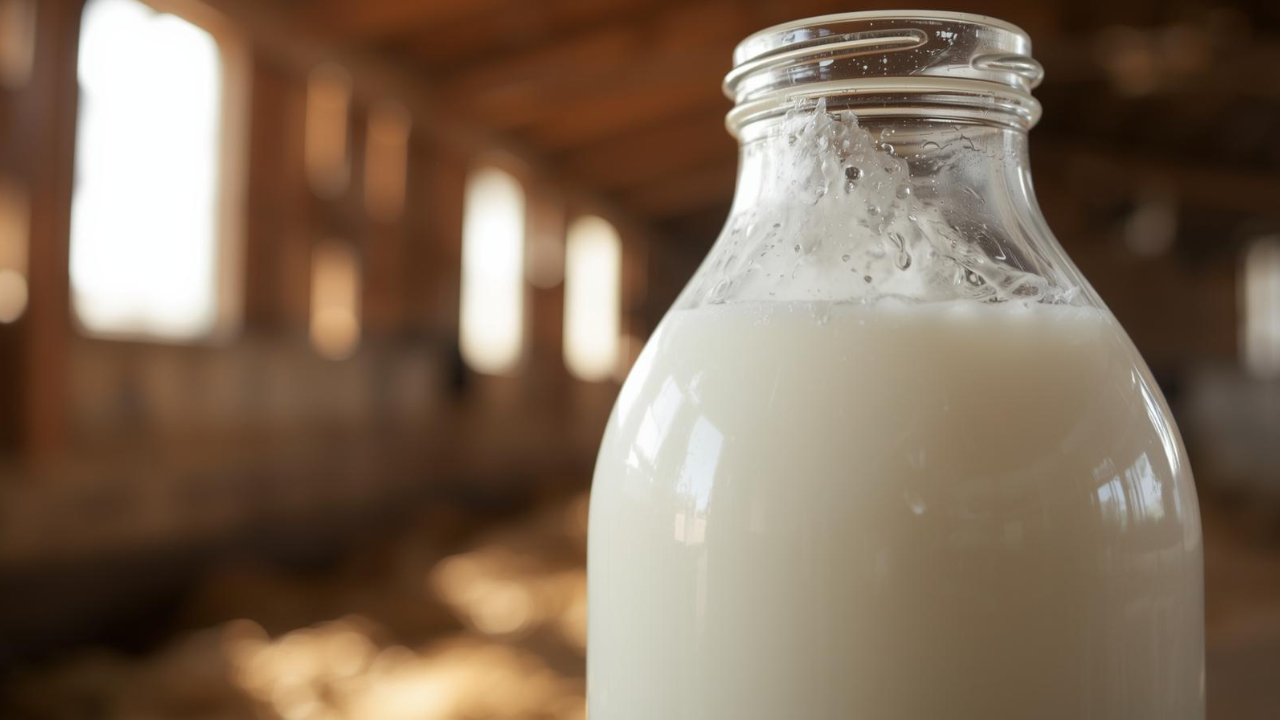
The death of a newborn in New Mexico has reactivated a health alert regarding the risks of consuming raw milk during pregnancy. Authorities are investigating a possible Listeria infection linked to unpasteurized dairy products. The case once again centers the debate on the dangers of listeriosis and the importance of choosing pasteurized milk.

Listeria death in New Mexico: what is known about the case
The New Mexico Department of Health confirmed that a baby died from listeriosis, an infection caused by the bacterium Listeria monocytogenes, which can be transmitted through contaminated foods, including raw milk.
Although the exact cause is still under investigation, authorities consider it likely that the infection is related to the consumption of unpasteurized milk during pregnancy. This type of transmission is especially concerning because listeria can affect the fetus even when the mother has mild symptoms or those similar to the flu.
Listeriosis is rare but serious. In pregnant women, it can cause miscarriage, fetal death, premature birth, or severe infections in newborns. In the United States, approximately 1,250 cases are reported each year and around 172 deaths, according to federal estimates. This makes it one of the leading causes of death from foodborne illnesses.
The New Mexico case not only represents a family tragedy but also reinforces a constant warning from health authorities: unpasteurized dairy products can pose a significant risk to vulnerable populations.
Raw milk vs. pasteurized milk: risks and differences

The main difference between raw milk and pasteurized milk is the heat treatment. Pasteurization involves heating the milk to a controlled temperature for a short period to eliminate dangerous bacteria without significantly affecting its nutritional value.
Since its implementation in the early 20th century, pasteurization has drastically reduced milk-borne diseases. In contrast, unpasteurized milk can contain pathogens such as listeria, salmonella, E. coli, campylobacter, and even bacteria associated with tuberculosis.
Despite the scientific evidence, interest in raw milk has increased in the United States, driven by wellness trends that promote it as more “natural” or “pure.” However, the Centers for Disease Control and Prevention (CDC) maintain that pasteurized milk offers the same nutritional benefits without the associated risks.
Outbreaks linked to unpasteurized dairy products continue to occur. In 2025, for example, more than 20 people fell ill in Florida after consuming raw milk from the same farm. These episodes demonstrate that the risk is real and not merely theoretical.
Risks of listeriosis during pregnancy and official recommendations
Listeriosis is especially dangerous during pregnancy because the bacteria can cross the placenta and directly affect the fetus. Even when the mother experiences mild symptoms, such as fever or general malaise, the impact on the baby can be devastating.
For this reason, health authorities recommend avoiding raw milk and any unpasteurized dairy products, especially for pregnant women, older adults, young children, and people with weakened immune systems.
New Mexico Secretary of Agriculture Jeff Witte emphasized that pasteurization is an essential part of the dairy industry’s commitment to food safety. Authorities insist that choosing pasteurized products is a simple preventive measure backed by decades of scientific evidence.
In an environment where misinformation can spread rapidly on social media, experts stress the importance of consulting official sources and basing food decisions on verifiable data.
The death of the newborn in New Mexico once again highlights the risks of raw milk and the severity of listeriosis during pregnancy. While some trends promote the consumption of unpasteurized products, the scientific evidence is clear: pasteurization has been one of the most effective measures in preventing foodborne illnesses. Staying informed and choosing pasteurized milk can make a crucial difference in protecting health.
Reference:
- Health department warns against consuming raw dairy products. Link.
COMPARTE ESTE ARTICULO EN TUS REDES FAVORITAS:

Esta entrada también está disponible en:


Discover more from Cerebro Digital
Subscribe to get the latest posts sent to your email.