On November 25, 2025, researchers Samrat S. Mondal, Natalia L. Komarova, and Dominik Wodarz presented a longevity model that astonished the world and redefined the biological limits of human beings. Their study proposes that life could be extended far beyond what we believe, revealing cellular bottlenecks that determine our true existential limit.
The biological model that doubles the maximum human life expectancy
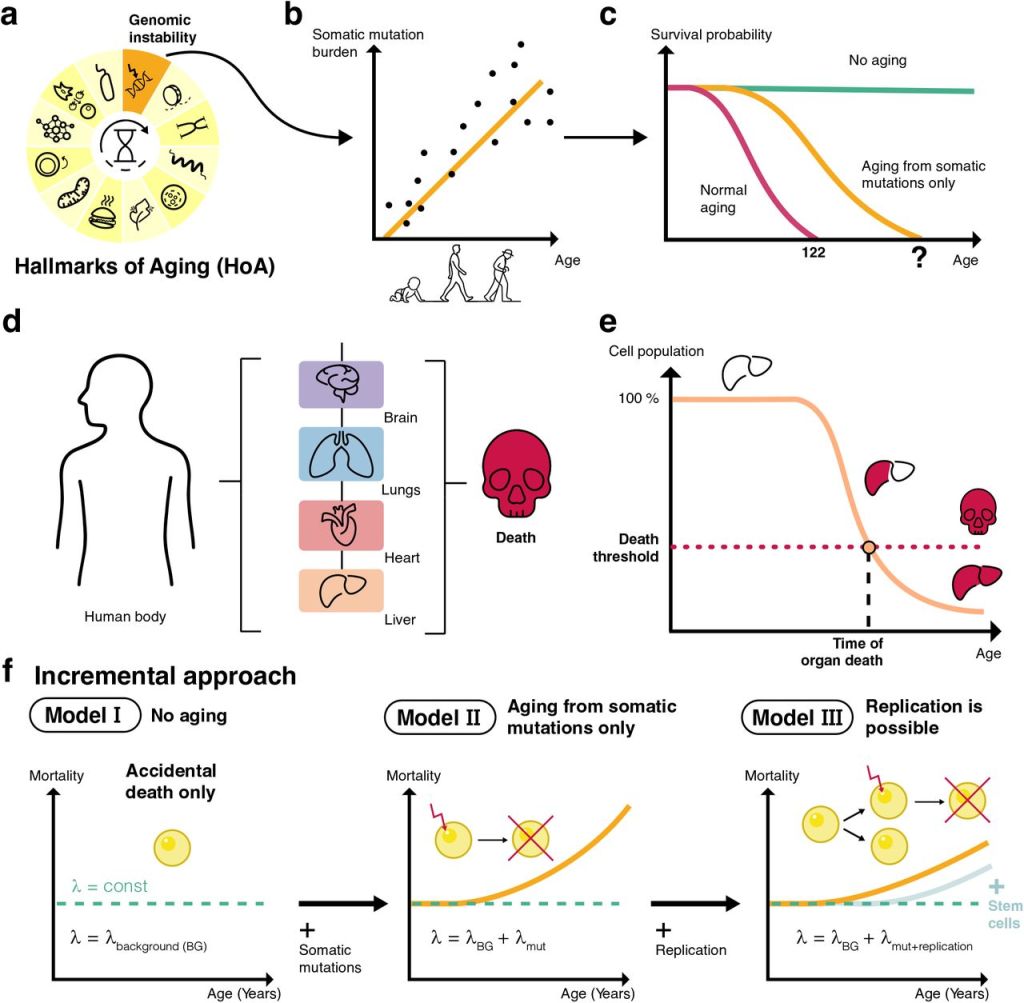
The new research on longevity begins with a fundamental distinction between tissues that can divide continuously and those that cannot. Scientists explain that organs such as the liver, skin, and intestine have cells capable of renewing themselves indefinitely. This theoretical regenerative capacity means that these tissues could remain functional for hundreds, even thousands of years, provided conditions are ideal and they do not suffer accelerated damage from external factors.
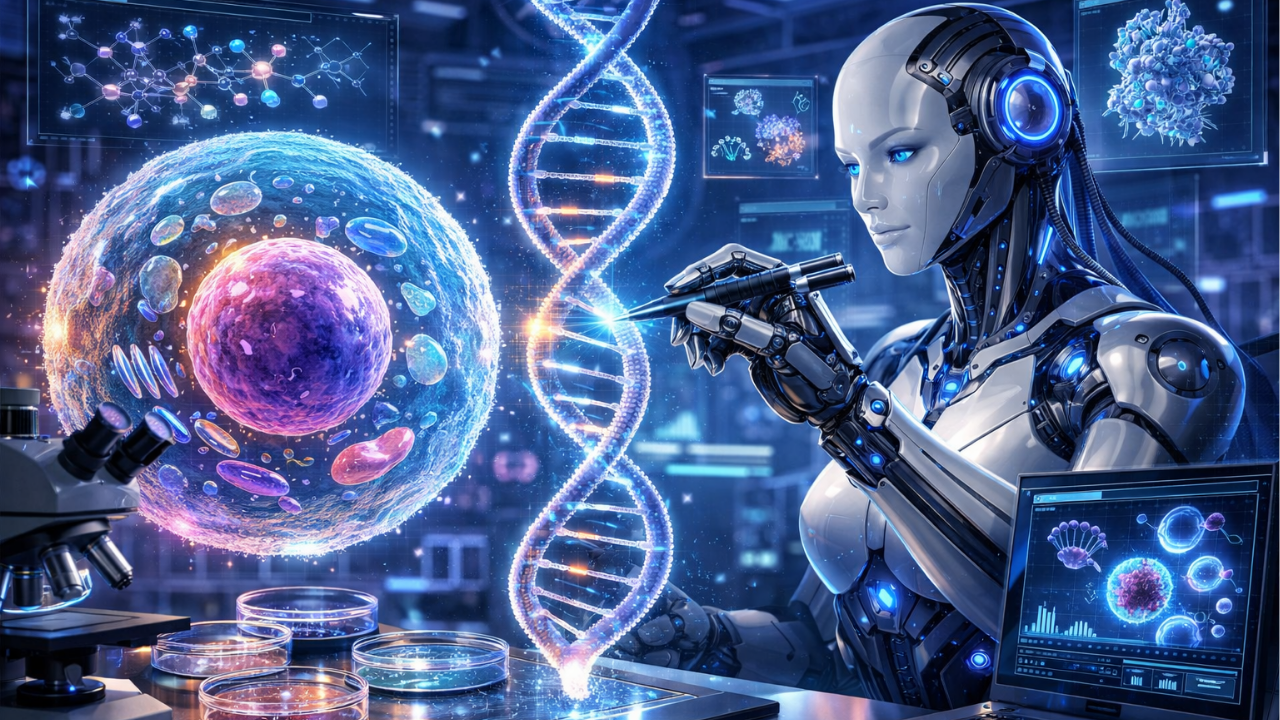
The model focuses on postmitotic cells, those that do not divide. These include neurons and cardiac muscle cells, which accompany the individual throughout life without natural replacement. These cells accumulate somatic mutations in their DNA over time, a slow but inevitable process. Since these mutations cannot be eliminated through cell turnover, they progressively become more harmful until they affect essential functions of the organism.
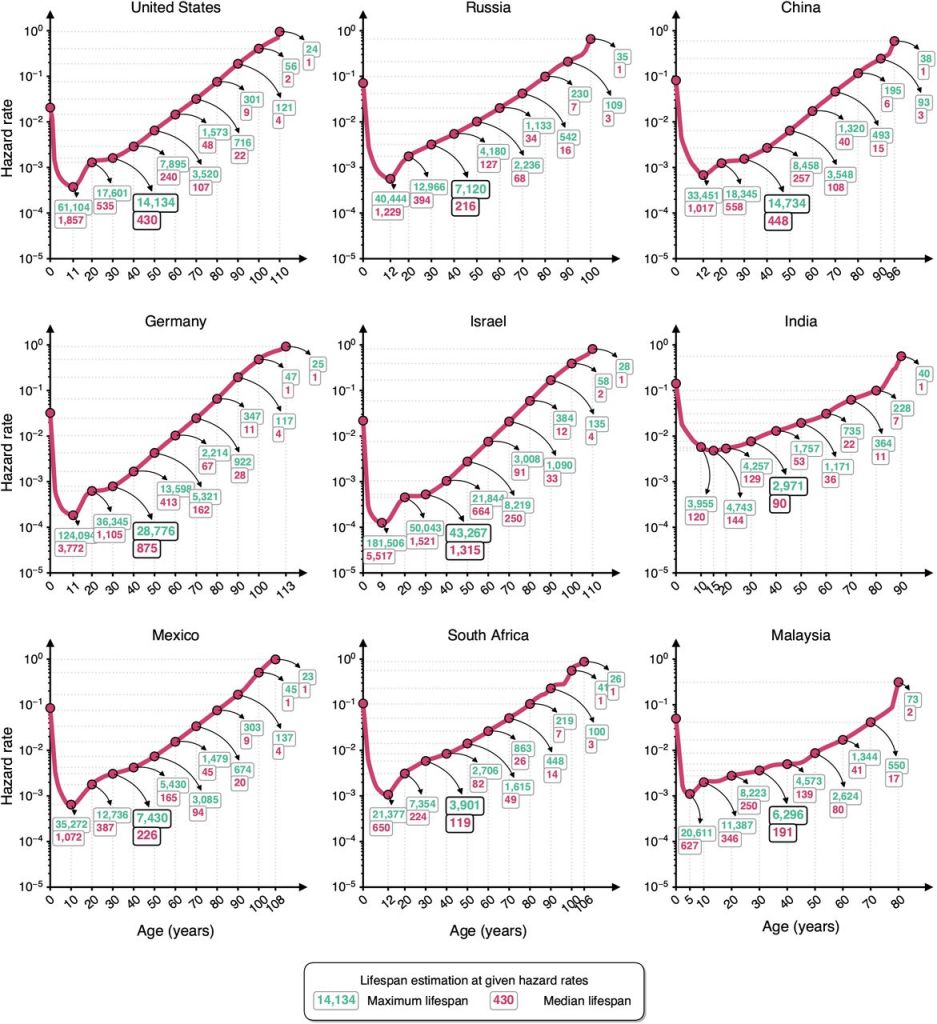
Based on these observations, the model projects that the realistic human lifespan could range between 134 and 170 years. This nearly doubles the maximum recorded in history, 122 years, and suggests that human biology has a greater margin than previously thought. According to the calculations, if the cumulative effect of mutations in non-renewable tissues did not exist, human longevity would reach approximately 430 years. Although this figure does not reflect current reality, it does mark the theoretical limits imposed by internal cellular mechanisms under ideal conditions.
Somatic mutations as the ultimate barrier to reaching 430 years

The study, presented as the preprint “Somatic mutations impose an entropic upper bound on human lifespan” (2025), argues that human aging is determined by the accumulation of somatic mutations in irreplaceable cells. These mutations are not always due to external factors; they can also arise spontaneously as a natural result of cellular functioning. Over time, this damage accumulates in genes critical for DNA repair, metabolic regulation, and cell survival.
Unlike tissues that constantly regenerate, postmitotic cells act as permanent repositories of accumulated damage. Once they reach a critical threshold of mutations, essential processes begin to fail, causing systemic deterioration that can no longer be reversed. This phenomenon explains why aging seems to accelerate with age: it is not only wear and tear, but a progressive increase in internal genetic error.
Based on these mutation rates, the researchers calculated a realistic biological limit of about 169 years for the brain alone, whose functioning depends on neurons that are not replaced. This value aligns with the model’s general longevity projection, which sets a range between 134 and 170 years as the attainable limit without disruptive interventions.

The study also highlights that, in the complete absence of somatic mutations, proliferative tissues could be sustained for millennia. However, non-renewable cells impose a rigid limit, becoming the true brake on any aspiration for extreme longevity. Although future technologies might modify these processes, for now somatic mutations represent the biological frontier of human aging.
The new longevity model redefines human biological limits and suggests that we could live much longer than is currently possible. Nevertheless, somatic mutations in cells that do not regenerate continue to impose an irreversible limit. These internal processes remain the main factor determining the maximum duration of human life.
Reference:
- bioRxiv/Somatic mutations impose an entropic upper bound on human lifespan. Link
COMPARTE ESTE ARTICULO EN TUS REDES FAVORITAS:

Esta entrada también está disponible en:
 Español
Discover more from Cerebro Digital
Subscribe to get the latest posts sent to your email.