
We have recently witnessed a significant increase in the number of countries and organizations competing to launch new missions to the moon. In addition to NASA, which is currently busy with its Artemis program, other space agencies from states such as China and India have also been actively involved in lunar exploration. China’s famous Chang’e mission and India’s Chandrayaan mission are examples of significant recent lunar exploration projects outside the U.S.
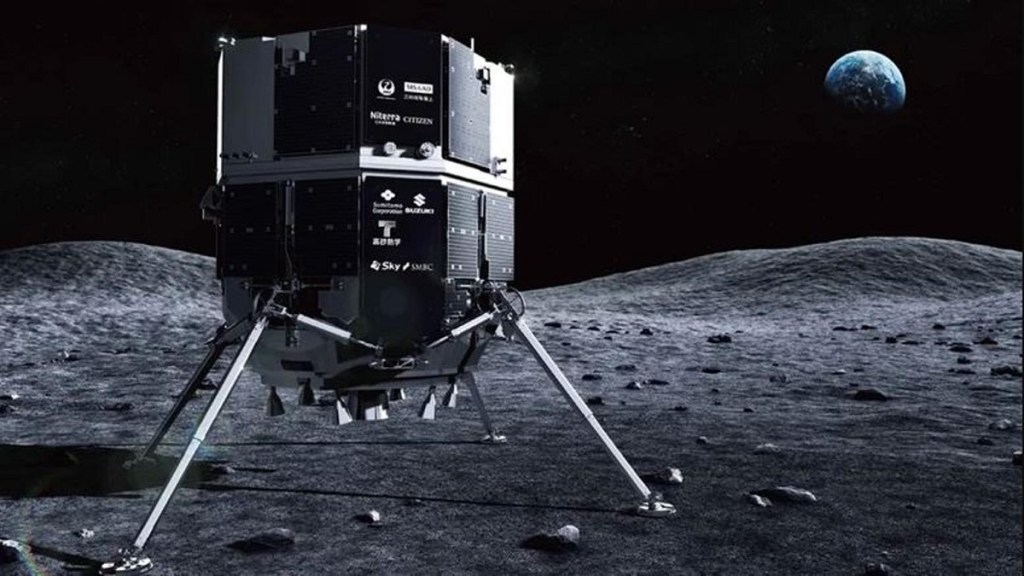
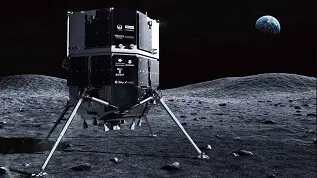
One common thread with most of these projects is that they are all government-backed projects with little to no private investment. One exception to this was Space X’s dearMoon project, which was originally scheduled to take off in 2023. However, SpaceX is not the only private company working on a lunar mission. In December 2022, a private company from Japan, iSpace, launched what was later touted as the first private lunar lander aboard SpaceX’s Falcon 9 rocket.
Five months after its launch, the lander, known as Hakuto-R, is ready to make its first landing attempt on the lunar surface. If things go according to plan, Hakuto-R will become the first private lander to do so. As of April 24, 2023, the Hakuto-R lander is orbiting the lunar surface, with the goal of making its landing attempt on Tuesday, April 25, 2023.
The event is being closely followed by space and astronomy enthusiasts around the world, and if you’re one of them, you can watch the landing live starting at 11:00 a.m. EDT (3:00 p.m. GMT).
Hakuto-R Lunar Mission: Everything You Need to Know

Since launching in December 2022, the Hakuto-R lander has been orbiting the moon in a roughly circular orbit about 62 miles above the lunar surface. During this phase alone, the spacecraft has shared several images of the moon, showing the lunar surface up close. The iSpace Twitter account has been consistently sharing these incredible images on the platform for several weeks, with the latest arriving just a few hours ago. During last week’s hybrid solar eclipse, the lander also captured this image of Earth as seen 60 miles above the lunar surface.
As for the landing itself, the first steps are scheduled to begin at approximately 11:40 a.m. EDT, when Hakuto-R will fire its main propulsion system to decelerate from its current orbit. This would be done to reduce the rate of descent, thus ensuring a safe landing. The company has already indicated that this initial phase alone is expected to last an hour. Contingency plans are also in place. Should anything go wrong, iSpace has devised three alternative landing sites.
This Hakuto-R pilot mission aims to gather data for future landings planned by iSpace. Interestingly, it also carries additional payloads from several other agencies, including a Rashid rover manufactured by the UAE space agency, an AI system from the Canadian company Mission Control, and a suite of advanced imaging systems from Canadensys Aerospace, another Canadian company.
COMPARTE ESTE ARTICULO EN TUS REDES FAVORITAS:

Esta entrada también está disponible en:
 Español
Discover more from Cerebro Digital
Subscribe to get the latest posts sent to your email.