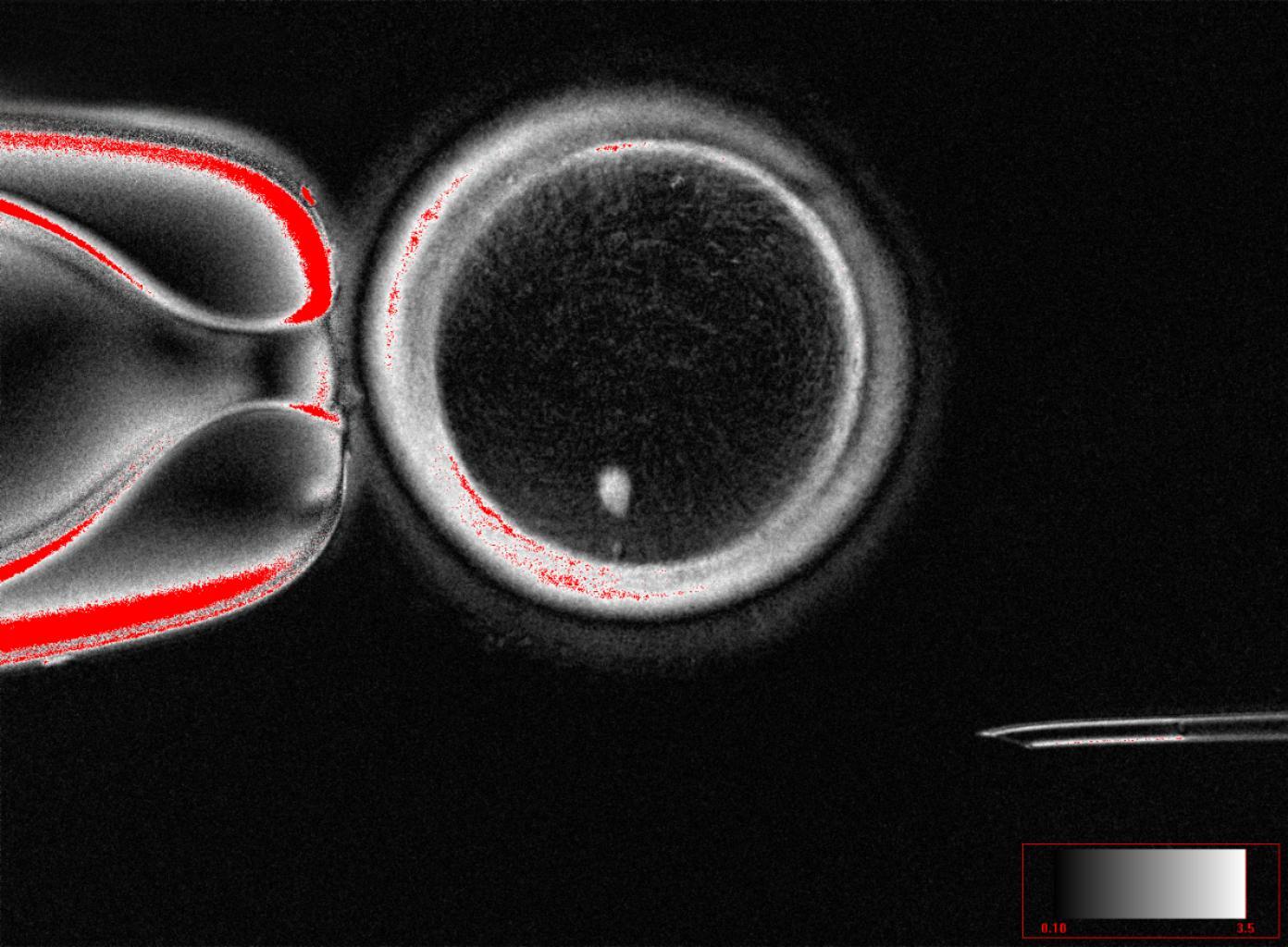

Erythritol is a popular sweetener in sugar-free products, valued for its low metabolic impact. However, recent research has analyzed its effects on the cells that protect the brain. A study in the Journal of Applied Physiology provides evidence on how it could affect cerebral vascular function.
What erythritol is and why it is widely used
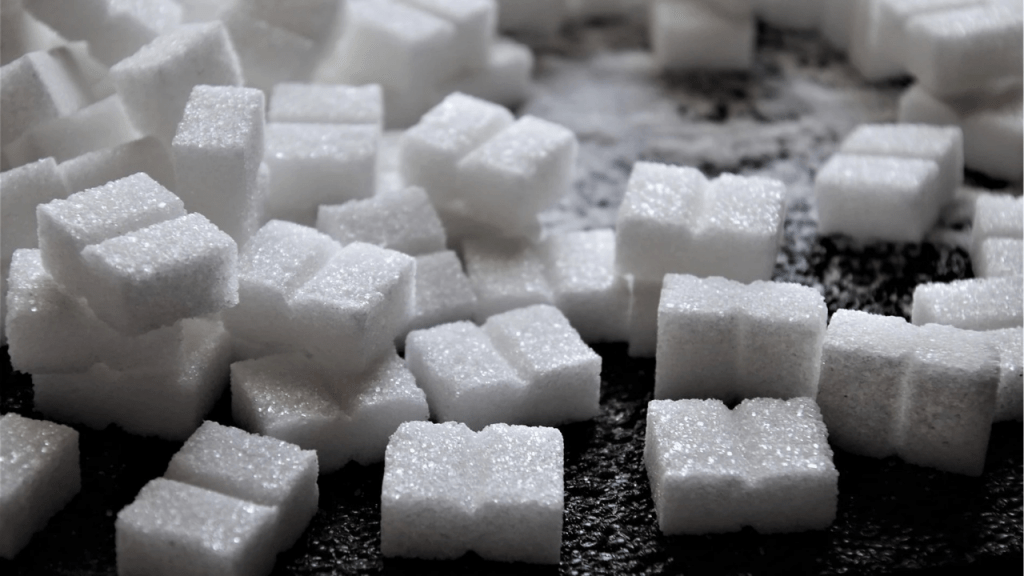
Erythritol is a zero-calorie sweetener that belongs to the sugar alcohol family. It is naturally found in small amounts in fruits and fermented foods. It is also produced by the human body as part of normal metabolism.
Its popularity has grown because it provides sweetness without significantly raising glucose or insulin levels. For this reason, it is common in products labeled “sugar-free,” diet beverages, supplements, and foods aimed at people with diabetes or those seeking to control their weight.
Unlike regular sugar, erythritol does not contribute to tooth decay and is well tolerated by most people. In addition, most of it is absorbed in the intestine and excreted unchanged through urine, reducing its metabolic impact.
However, although it has been considered safe by regulatory agencies, the increase in its consumption has prompted new research. Scientists have begun examining not only its metabolic effects but also its potential impact on the vascular system, especially in the brain.
These investigations aim to understand how realistic concentrations of erythritol, similar to those reached after consuming sweetened beverages, may influence the function of the cells that line blood vessels.
Scientific interest is not based on definitive conclusions, but on understanding possible biological mechanisms that could have implications for long-term health.
What the study discovered about blood-brain barrier cells

The study published in the Journal of Applied Physiology investigated the effects of erythritol on human brain microvascular endothelial cells. These cells are part of the blood-brain barrier, an essential structure that protects the brain from harmful substances.
Researchers exposed these cells to concentrations of erythritol comparable to those that may be found in the bloodstream after consuming sweetened products. They observed an increase in oxidative stress, a process that can damage cellular structures and affect normal function.
They also detected a reduction in the production of nitric oxide, a key molecule that allows blood vessels to relax and maintain proper blood flow. A decrease in this substance can affect the ability of vessels to regulate circulation.
In addition, the study found an increase in the production of endothelin-1, a compound that promotes blood vessel constriction. This change may alter the normal balance between vascular relaxation and contraction.
Another important finding was the reduction in the release of tissue plasminogen activator (t-PA), a protein involved in the natural breakdown of blood clots.
These results indicate that erythritol may influence several processes related to cerebral vascular function at the cellular level.
What these results mean and their scientific limitations

It is important to understand that this study was conducted in a laboratory environment using isolated cells. This allows specific biological mechanisms to be observed, but it does not fully reflect the complexity of the human body.
The results show that erythritol may affect vascular cellular function, but they do not demonstrate that it directly causes disease in people. In vitro studies are an essential tool for identifying possible effects, but they are only the first step in scientific research.
Factors such as dosage, frequency of consumption, individual metabolism, and other lifestyle aspects influence the real impact on health.
In addition, the human body has compensatory systems that are not present in cellular models. This means that the effects observed in laboratory conditions may not occur in the same way in a complete organism.
Researchers emphasize the need for further studies in humans to determine whether these cellular effects have real clinical consequences.
This type of research helps improve understanding of how different substances interact with the body, but it does not constitute definitive evidence of harm under normal consumption conditions.
Erythritol remains a widely used sweetener generally considered safe. However, recent research shows that erythritol may affect the function of cerebral vascular cells in laboratory conditions. These findings provide valuable insight, but more human studies are needed to confirm their real clinical relevance.
Reference:
Journal of Applied Physiology/The non-nutritive sweetener erythritol adversely affects brain microvascular endothelial cell function. Link
COMPARTE ESTE ARTICULO EN TUS REDES FAVORITAS:

Esta entrada también está disponible en:
 Español
Discover more from Cerebro Digital
Subscribe to get the latest posts sent to your email.