
A 17-year-old Dutch boy became the protagonist of a baffling medical case after waking from knee surgery speaking a foreign language, unable to use his native tongue. Instead, he communicated fluently in English, a language used only at school.
Diagnosis: foreign language syndrome, an extremely rare neurological phenomenon raising more questions than answers about brain language processing.
Unique Clinical Case

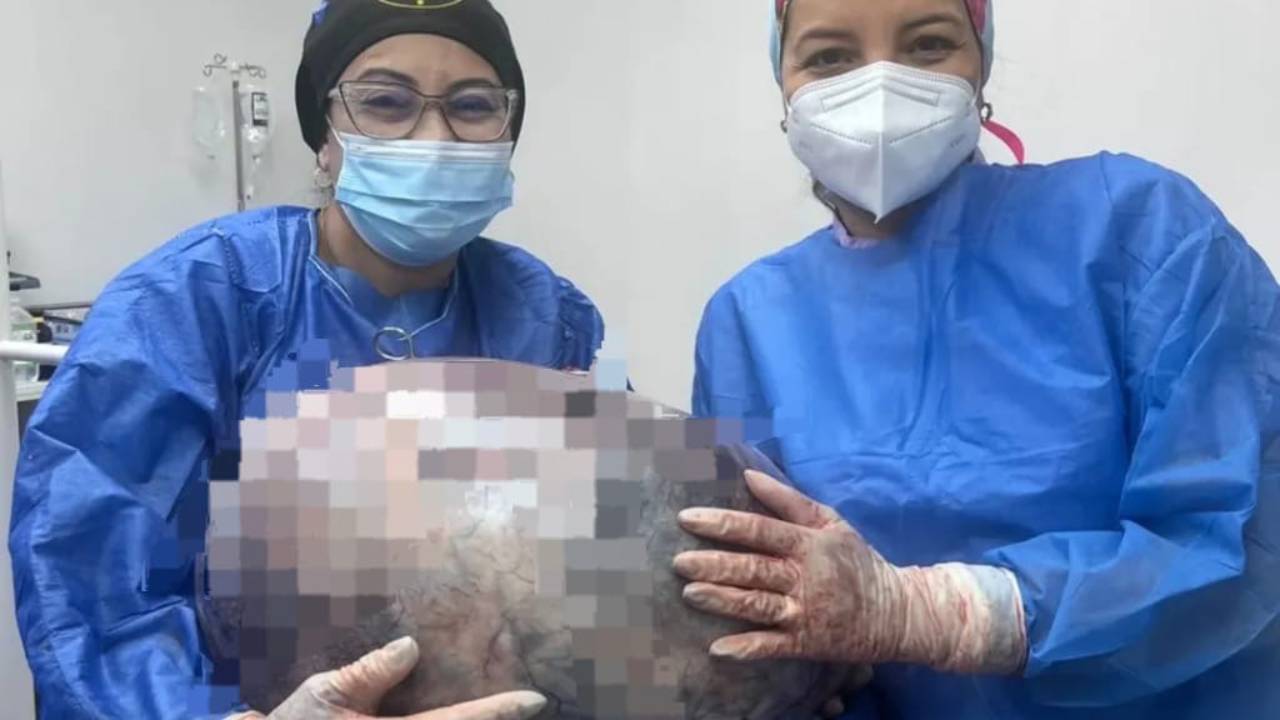
It began in 2022 with a common injury: a Dutch teenager injured his knee playing soccer. Admitted for routine surgery without complications. But post-anesthesia, he shocked medical staff: spoke exclusively English, believed he was in the U.S. Most alarming—no Dutch comprehension or communication.
Initially interpreted as emergence delirium, transient anesthesia recovery confusion. Hours passed without Dutch words, prompting psychiatric evaluation. Didn’t recognize parents; reality disconnect evident.
Mental health team found calm, cooperative teen holding coherent English conversation (Dutch accent). Gradually uttered Dutch words with great effort. Doctors then diagnosed rare foreign language syndrome.
What is Foreign Language Syndrome & Why So Rare?

Foreign Language Syndrome (FLS) is extremely unusual: person spontaneously speaks non-native language. Unlike known foreign accent syndrome (accent change, same language), FLS means complete native replacement by secondary-learned one.
Only nine similar cases documented medically—clinical rarity. Most: white males learning second language later, not childhood bilinguals. This Dutch teen stands out: youth, total temporary native loss post-surgery, no prior neuro/psych history.
Curious: didn’t recognize parents but reasoned, answered, socialized—in English. 18 hours post-op, understood Dutch again but struggled speaking it. Next day, friends’ visit triggered sudden fluent Dutch return.
No neuro anomalies found, full spontaneous recovery—no further EEGs/scans. Discharged 3 days post-op, no sequelae.
What This Reveals About Brain, Language, Identity
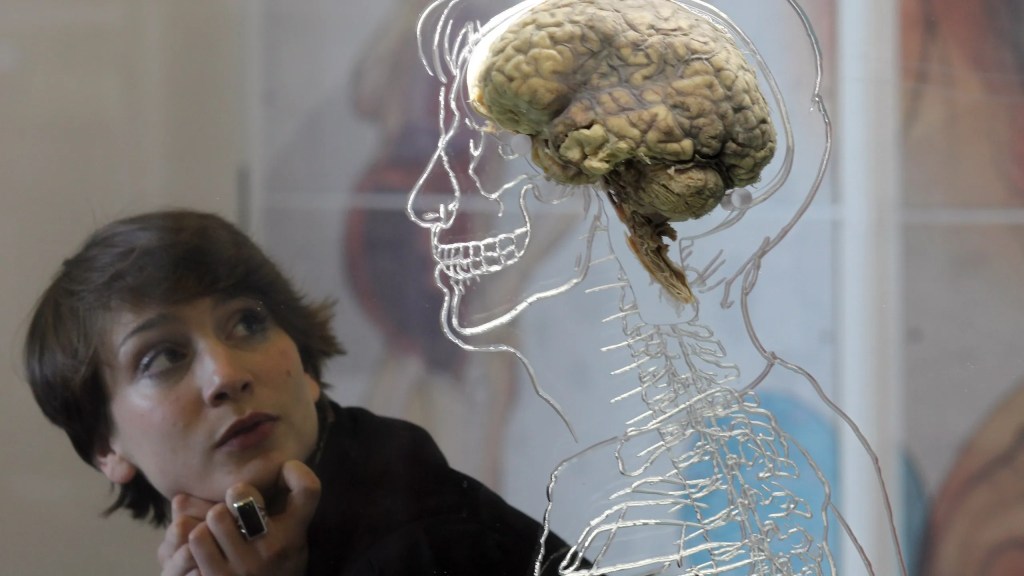
Case fascinates on brain language organization/access. English (secondary) became sole option briefly, suggesting temporary language center reorganization—even sans detectable physical damage.
Clinicians note: among first formally documented adolescent cases. Eight similar: not just accent but full native replacement.
Key: no specific medical intervention. No drugs/language therapy. Spontaneous full recovery adds mystery—brain language processes may “reboot/unlock” via emotional triggers like close friends.
FLS episode stresses cautious handling sans rushed assumptions. Though odd/faked seeming, symptoms real, tied to incompletely understood neuro mechanisms.
This boy’s case highlights human brain complexity/reorganization capacity even sans evident damage. FLS remains clinical mystery, but such cases enrich med lit, opening new language-mind coding research.
Reference:
- Journal of Medical Case Reports/Lost in another language: a case report. Link
COMPARTE ESTE ARTICULO EN TUS REDES FAVORITAS:

Esta entrada también está disponible en:
 Español
Discover more from Cerebro Digital
Subscribe to get the latest posts sent to your email.