
The BE-CAR7 gene therapy marks a milestone in modern medicine. This radical treatment has managed to cure the disease in 64% of patients with previously incurable cancer, offering hope where none existed before. Initial results show a revolutionary breakthrough in the fight against aggressive leukemia.
The origin of a revolutionary cancer treatment
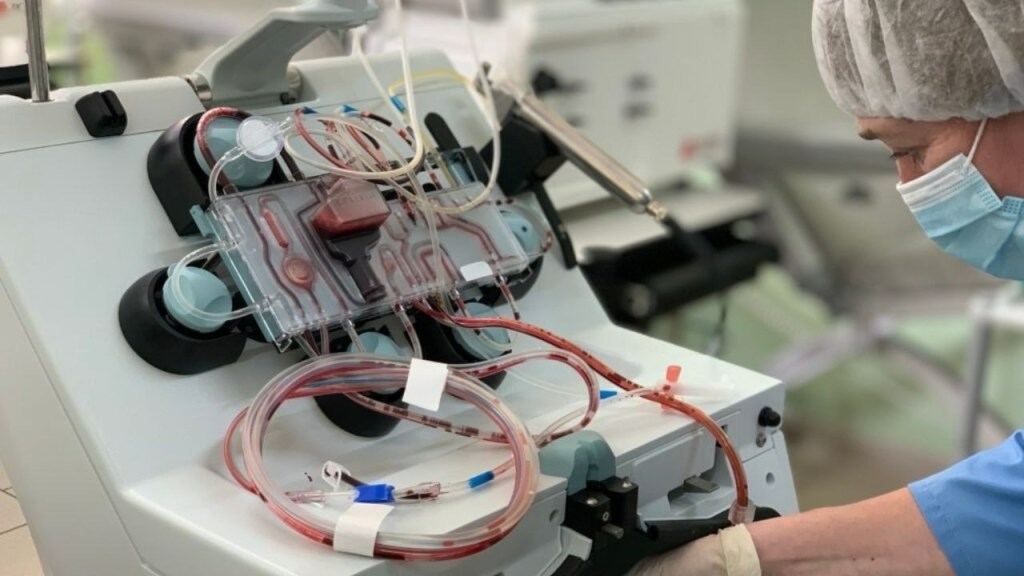
The development of BE-CAR7 arises from the urgent need to find alternatives for patients with T-cell acute lymphoblastic leukemia, a cancer that does not always respond to chemotherapy or bone marrow transplants. In approximately 20% of diagnosed children, conventional treatments fail, leaving few survival options.
The first patient to receive this therapy was Alyssa Tapley, a 16-year-old from Leicester, United Kingdom. After standard treatments failed, her family agreed to participate in the clinical trial. Alyssa stated that she did it with the intention of helping others, even if it did not work for her. Her decision opened the door to a historic breakthrough.
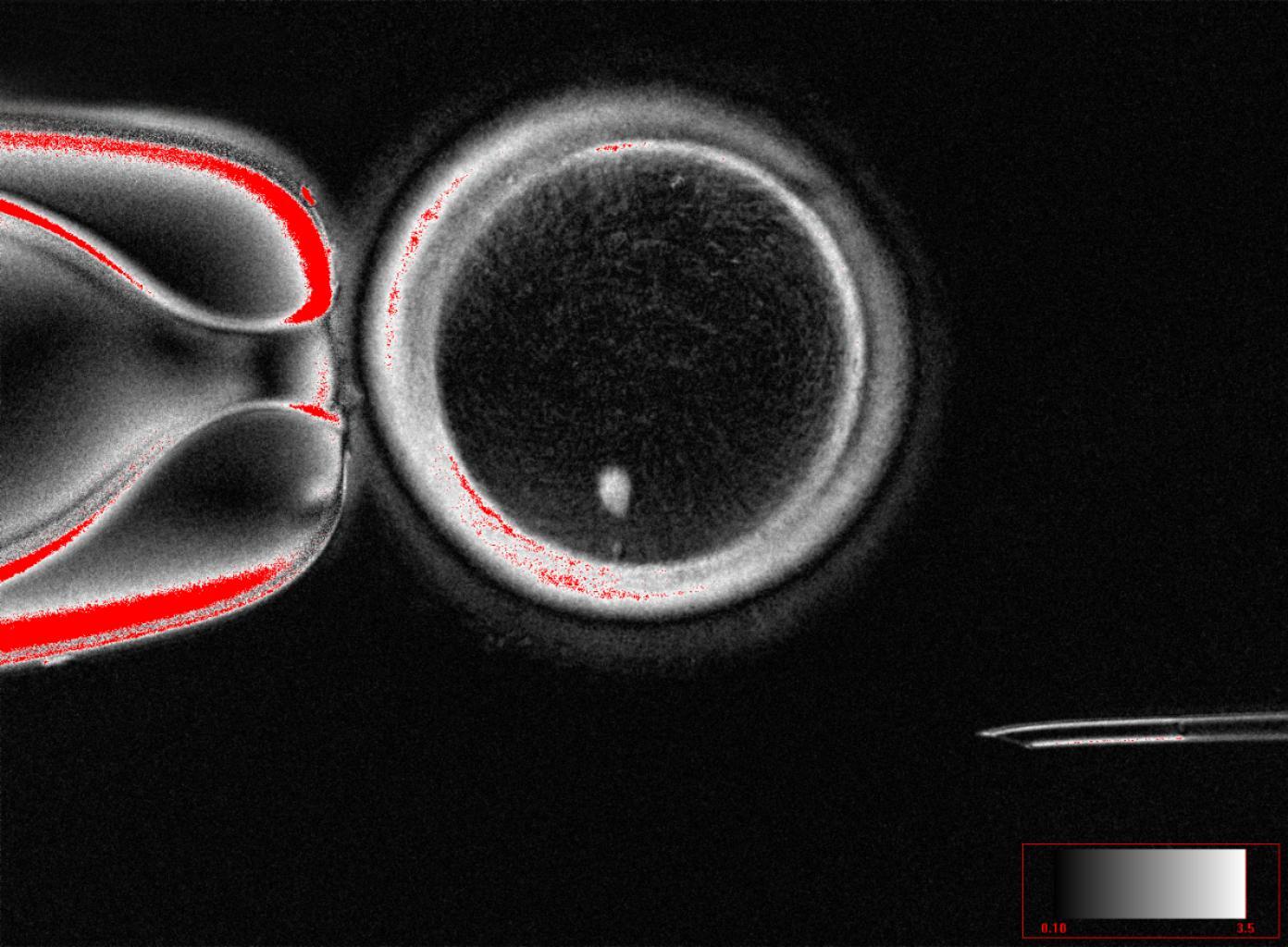
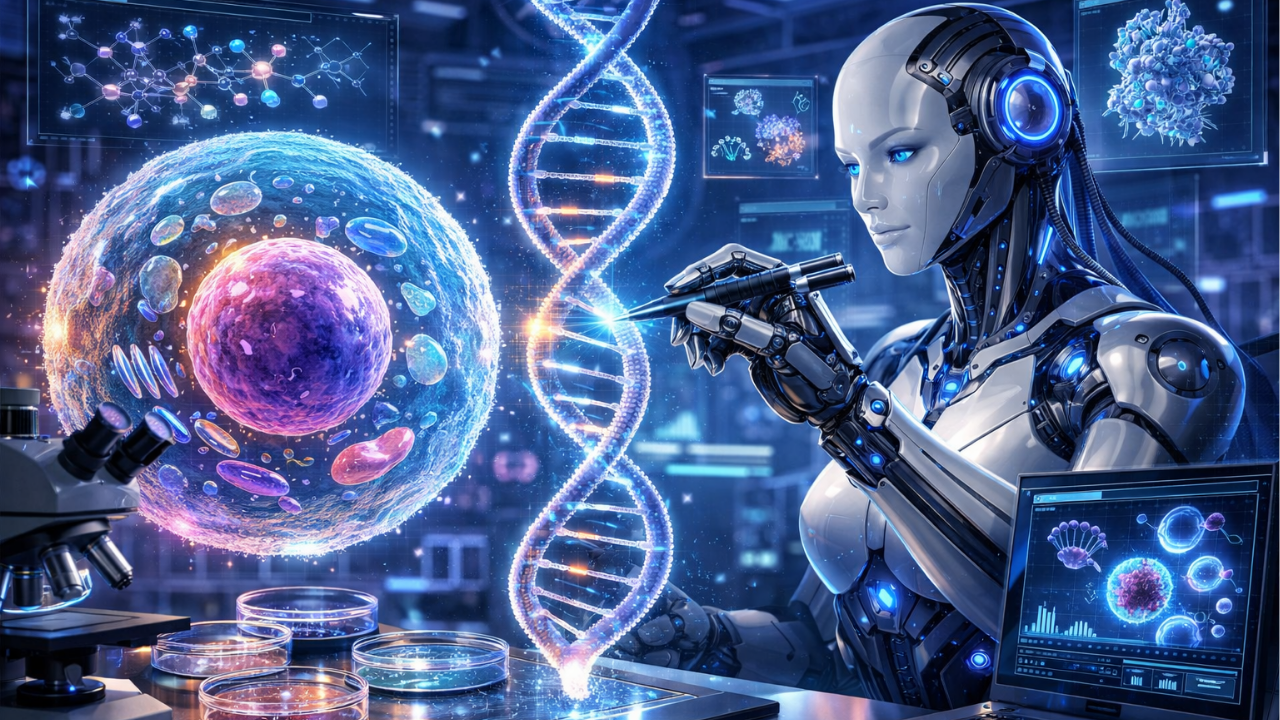
The BE-CAR7 process is complex and carried out in several phases. Donor white blood cells are modified to make them universal, eliminating surface receptors and an immune marker called CD7. Then the CD52 protein is removed, which protects the cells from immunosuppressive drugs. Finally, a DNA sequence is introduced through a modified virus, enabling the cells to produce the chimeric antigen receptor (CAR). These engineered cells directly attack the cancerous T cells.
In Alyssa’s case, the treatment worked. Her cancer disappeared and she has been able to resume her life, even planning to become a scientist to contribute to future discoveries. Her story symbolizes the human impact of this breakthrough.
Clinical results and hope for patients

Phase 1 clinical trials, conducted at Great Ormond Street Hospital and University College London, included eight children and two adults. The results were remarkable: 82% of patients achieved deep remissions and were able to undergo bone marrow transplants. Of these, 64% remain disease-free, some for more than three years.
This success is not without risks. Not all patients survived the treatment, and side effects can be severe. The immune system takes months to rebuild after the transplant, requiring extreme precautions against infections. Even so, researchers emphasize that the benefits outweigh the risks in cases of such aggressive cancer.
Professor Waseem Qasim, leader of the study, highlighted the importance of learning from each experience, while hematologist Deborah Yallop described the results as “impressive responses” to leukemias that once seemed incurable. The dedication of doctors, patients, and families has been key to achieving this breakthrough.
Impact on medicine and the future of BE-CAR7 cell therapy

CAR-T cell therapy had already proven effective in other types of blood cancer, but BE-CAR7 represents a step further. Its design allows it to overcome immunological barriers that previously limited the success of these treatments. With charitable funding, access is planned to be expanded to another ten patients, which could consolidate its clinical application.
The study, published in the New England Journal of Medicine, has generated great expectations within the scientific community. Experts such as Dr. Tania Dexter, from the charity Anthony Nolan, emphasize that these results offer real hope to patients who previously had little chance of survival. The combination of genetic innovation and human commitment opens a new horizon in the fight against cancer.
Although challenges remain, BE-CAR7 demonstrates that science can transform the impossible into possible. This breakthrough could mark the beginning of a new era in immunotherapy against leukemia.
The BE-CAR7 treatment has achieved what once seemed unattainable: curing patients with incurable cancer. Although the risks are high, the results offer tangible hope. This advance not only changes lives but also redefines the future of medicine and the fight against aggressive leukemia.
Reference:
- New England Journal of Medicine/Universal Base-Edited CAR7 T Cells for T-Cell Acute Lymphoblastic Leukemia. Link
COMPARTE ESTE ARTICULO EN TUS REDES FAVORITAS:

Esta entrada también está disponible en:
 Español
Discover more from Cerebro Digital
Subscribe to get the latest posts sent to your email.