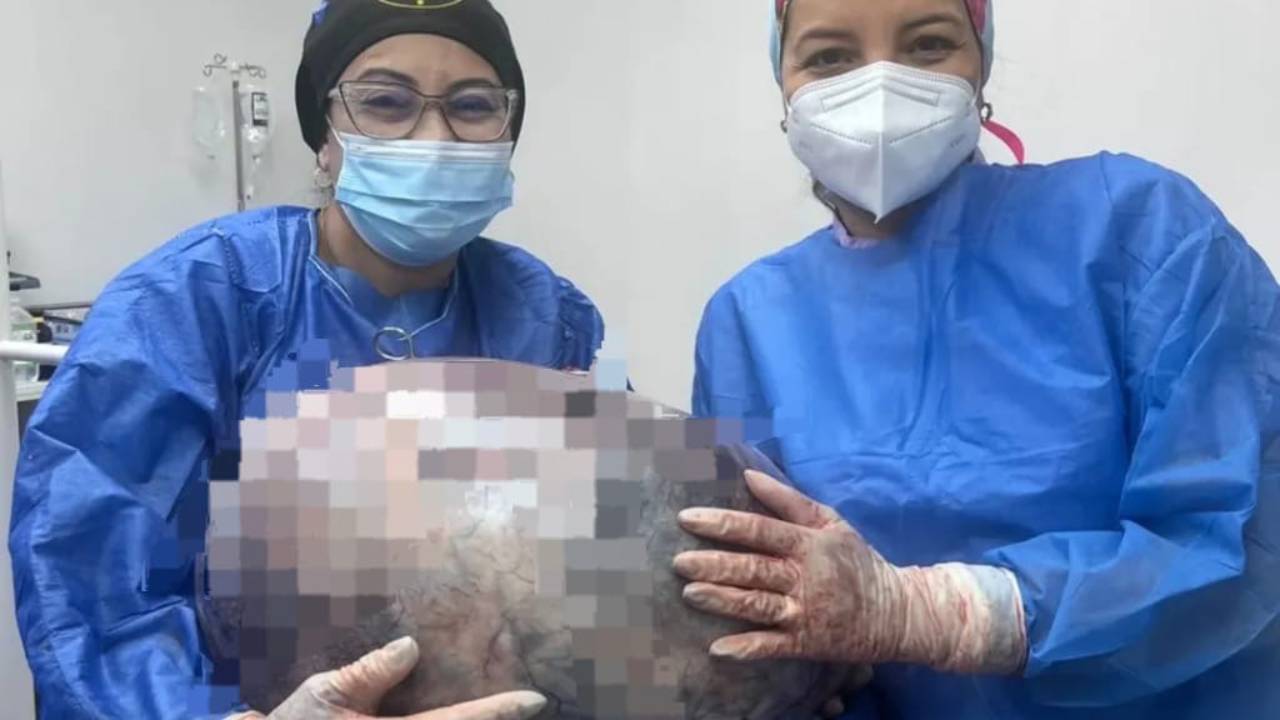

Medicine has recorded an unprecedented case: the birth of a baby with three penises, a congenital anomaly called triphallia. Published in International Journal of Surgery Case Reports, this finding marks a milestone in scientific literature and expands knowledge of male embryonic development malformations.
What is Triphallia and Why is it Unique?

Triphallia is an extremely rare variant within supernumerary penis anomalies. These congenital alterations affect about 1 in 6 million births and typically manifest as partial or complete penis duplications (diphallia). However, no documented human case with three penile structures existed until now.
In the reported patient, doctors identified three penises, though only one was fully functional. The other two were attached to the main shaft and lower scrotum. Due to their non-functional nature and potential future complications—like infections or urinary issues—specialists opted for surgical removal.
Study authors note that after exhaustively reviewing available medical literature, they found no similar precedents. This makes the case the first officially documented, providing key data for future research on extremely rare genital anomalies.
How Does This Anomaly Originate During Embryonic Development?
Genital malformations like triphallia occur during early fetal development weeks. Between the third and sixth week of gestation, primary sexual differentiation happens, forming basic reproductive system structures.
The penis develops from the genital tubercle, an embryonic structure influenced by specific hormonal and genetic signals that gives rise to the male organ. Disruptions in these processes—like errors in cell division or molecular signaling—can cause duplications or additional formations.
Though the study doesn’t specify a concrete trigger here, experts consider it a developmental anomaly, not a common hereditary trait. These conditions may also accompany other urological or gastrointestinal malformations, requiring comprehensive clinical evaluation.
This case record not only broadens human embryology knowledge but also provides relevant data for pediatric reconstructive surgery and early medical management of complex anomalies.
Triphallia represents an exceptional case in modern medicine and a significant contribution to scientific literature. Beyond media impact, the finding underscores embryonic development complexity and the importance of specialized clinical follow-up for rare congenital anomalies.
Reference:
- Triphallia (triple penis), the first reported case in human/International Journal of Surgery Case Reports. Link
COMPARTE ESTE ARTICULO EN TUS REDES FAVORITAS:

Esta entrada también está disponible en:
 Español
Discover more from Cerebro Digital
Subscribe to get the latest posts sent to your email.