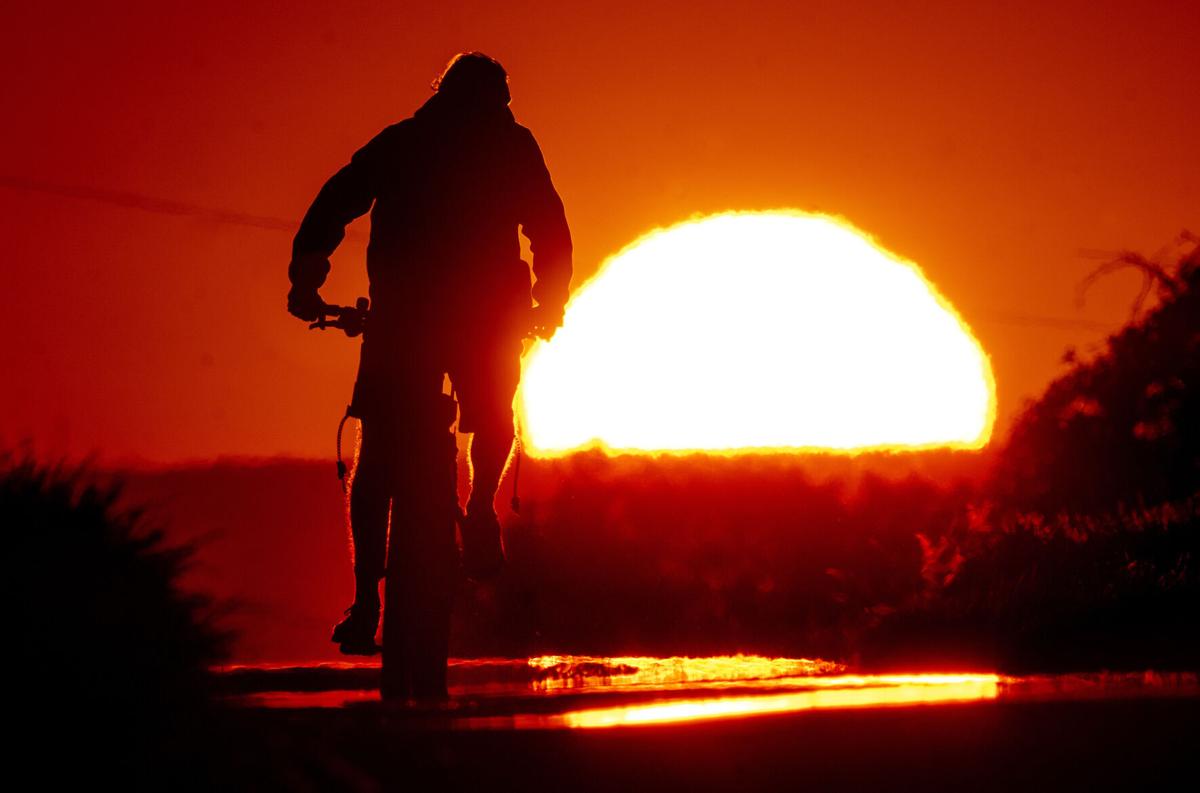
A University of California Berkeley-led study in Brazilian Amazonia, published in Nature, warns of an emerging extreme climate regime. Dubbed hypertropical climate, it blends record temperatures and prolonged droughts—potentially redefining the world’s largest tropical forest and its global climate stability role.
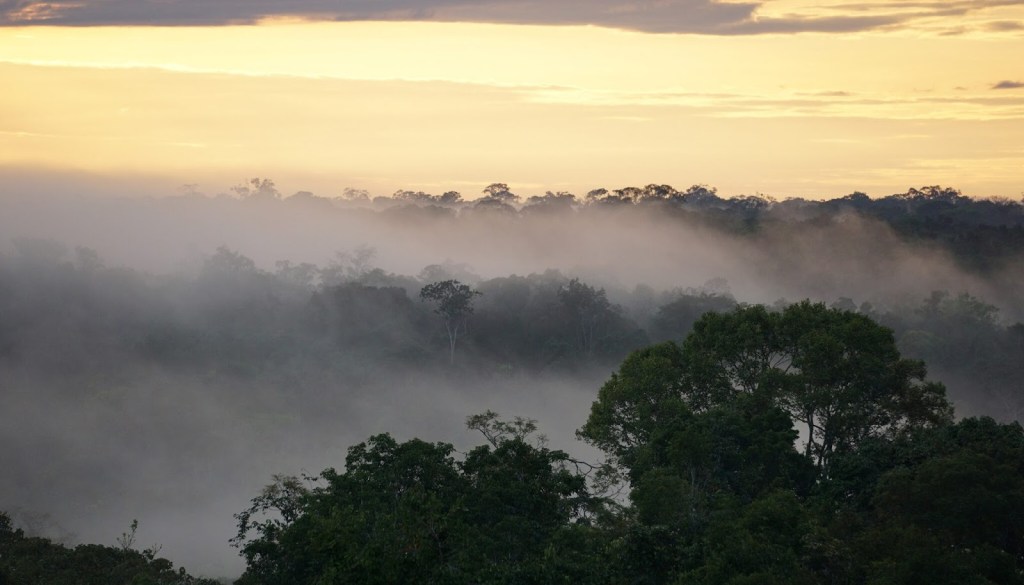
Hypertropical Climate: Amazon Rainforest Tipping Point
Amazonia nears unprecedented climate threshold. “Hypertropical climate” describes heat extremes/water scarcity shifting from occasional to new normal. Unlike historical droughts, these grow more frequent, longer—even in rainy season.
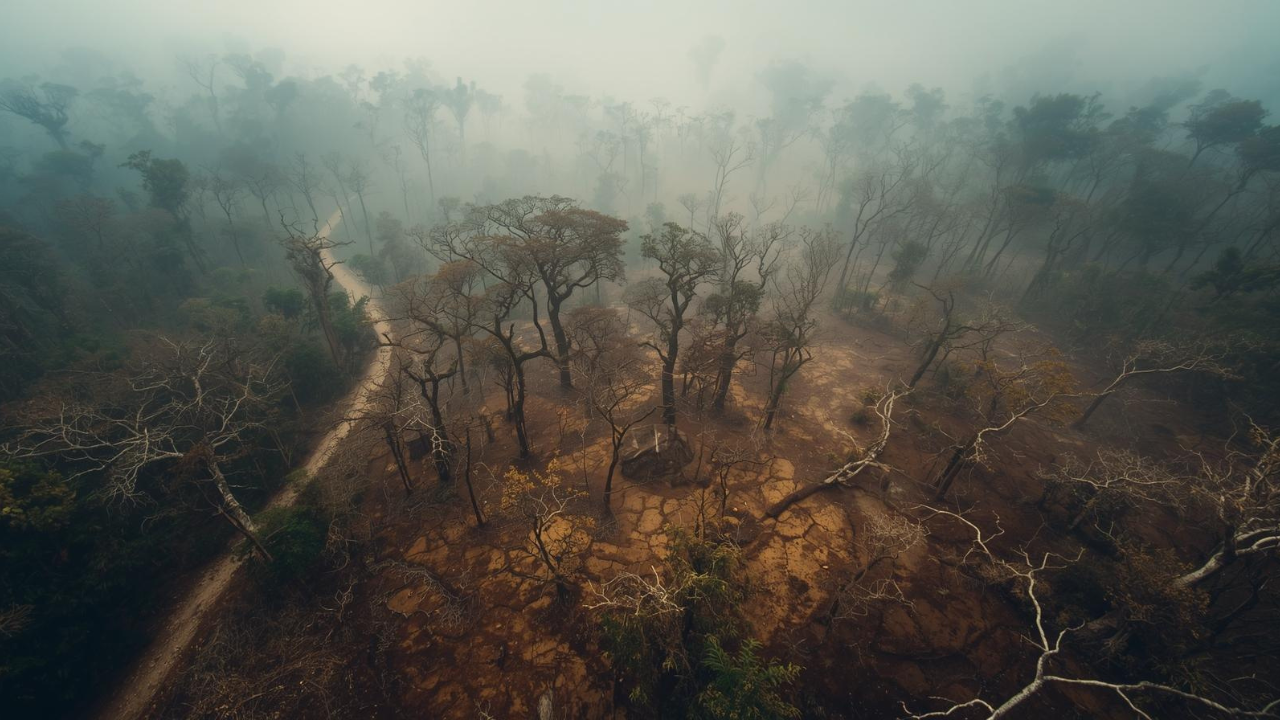
Change disrupts trees’ basic physiology. Critical soil moisture drops trigger metabolic slowdown for survival: pores close, photosynthesis cuts, CO2 uptake limits. Short-term: forest weakens. Long-term: tree mortality rises, ecosystem degrades.
Study warns: current greenhouse gas emissions pace means hot droughts could span much of year by century’s end. Irreversible tipping: Amazonia quits stable humid tropical forest for fragile, less self-regulating ecosystem.
Global Consequences: Carbon, Biodiversity, Human Choices
Hypertropical climate impacts extend beyond Amazonia. Tropical forests are prime planetary carbon sinks; weakening directly fuels global warming. Rising tree death/CO2 absorption drop keeps more gases atmospheric, vicious climate change cycle.
Not all species react equally. Fast-growing, low-wood-density trees (common in secondary forests) most vulnerable to thermal/hydric stress. Triggers progressive forest composition shift—biodiversity, soil stability, ecosystem services implications for millions.
Researchers warn similar processes may hit other tropics like West Africa/Southeast Asia. Amazonia acts as early global climate indicator. Impact scale hinges on human decisions: emissions cuts, forest conservation, effective policies.

Amazonia’s hypertropical rise isn’t distant hypothesis—clear planetary trajectory signal. Science shows forest resists but adaptation limited. Acting now protects Amazonia, preserves key global climate balance pillar.
Referencia:
- Hot droughts in the Amazon provide a window to a future hypertropical climate.Link.
COMPARTE ESTE ARTICULO EN TUS REDES FAVORITAS:

Esta entrada también está disponible en:
 Español
Discover more from Cerebro Digital
Subscribe to get the latest posts sent to your email.