

Albert Francis Capone, known to many as “Sonny,” lived a life overshadowed by the weight of his last name. As the only son of the infamous mobster Al Capone, his existence was marked by hardship, rumors, and a desperate need to distance himself from his notorious legacy. Later in life, he changed his name to Albert Francis Brown, adopting an anonymous identity that allowed him to live in peace. This article explores his complex journey—from his birth in Brooklyn to a quiet life in California.
The Early Years of Albert Francis Capone

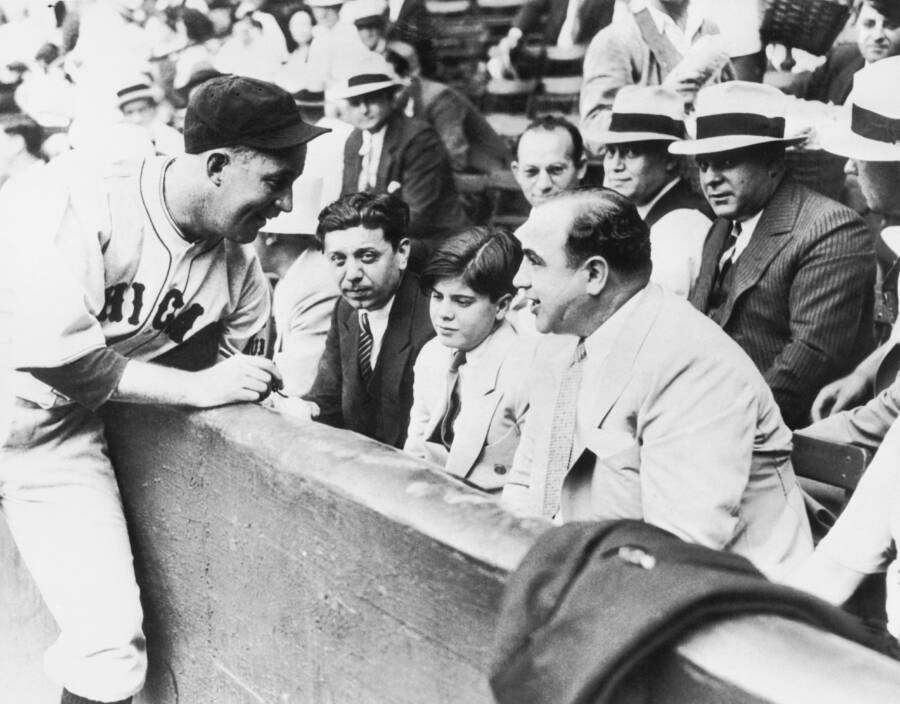
Albert Francis Capone was born on December 4, 1918, in Brooklyn, New York. The son of Al Capone and Mae Josephine Coughlin, his arrival into the world was surrounded by mystery. It is speculated that Al Capone, who contracted syphilis before marrying, may have become sterile, raising doubts about Sonny’s biological paternity. Some rumors even suggest that Mae herself was infertile and that Albert might have been adopted.
Regardless of the speculation, Al Capone deeply loved his son. When Sonny suffered a severe mastoid infection that threatened to leave him completely deaf, his father spared no expense in seeking medical help in New York, offering large sums of money to preserve his son’s hearing. Although the treatment was successful, Sonny was left partially deaf in his left ear, a condition that stayed with him for life.
Despite his surroundings, Al Capone tried to keep his son away from his criminal enterprises. Sonny attended prestigious schools such as St. Patrick in Miami Beach and later studied at the University of Miami. However, the shadow of the “Capone” name constantly loomed over him, making it difficult for him to integrate and develop his own identity.
Forging His Own Path: Distancing and Identity Change


As he grew older, Albert Francis Capone made the conscious decision to distance himself from his surname. Although he maintained a close relationship with his father—who wrote him affectionate letters from prison—Sonny sought to carve his own path. After Al Capone’s death in 1947, this process of separation intensified.
In adulthood, Sonny took on various modest jobs, including used car salesman, printing apprentice, and tire distributor. These roles reflected his desire to lead an honest life away from the spotlight. Nevertheless, the burden of his last name continued to affect him. In 1959, for instance, when Desi Arnaz—an old school friend—produced the series The Untouchables, the portrayal of Al Capone prompted Sonny and his mother Mae to sue Desilu Productions for defamation. The lawsuit reached the U.S. Supreme Court but was ultimately dismissed.
In 1965, following a minor incident where he was arrested for stealing aspirin and batteries, Sonny legally changed his name to Albert Francis Brown. According to his lawyer, he did so because he was tired of carrying the weight of the “Capone” name. This change allowed him to live anonymously and shield his family from the stigma associated with his father.
The Final Years of Albert Francis Brown


Albert Francis Brown spent the final decades of his life in Auburn Lake Trails, a small community in California. There, he lived a peaceful life far from public scrutiny. He was married three times and had children, grandchildren, and great-grandchildren. His neighbors knew him as a kind man, with no apparent ties to the infamous Chicago gangster.
When he passed away in 2004 at the age of 85, his wife, America “Amie” Francis, asked that his memory be respected. “Al Capone died a long, long time ago,” she said. “His son had nothing to do with him. Let him rest in peace.”
Even after changing his name and leading an honorable life, Albert Francis Brown remained linked—however faintly—to his father’s legacy. Still, his story stands as proof that even with a complicated origin, it is possible to choose a different path and build a life away from the shadows of the past.
The life of Albert Francis Brown, formerly known as Sonny Capone, is a fascinating example of how a last name can shape a life. Although his father was one of the most notorious gangsters in history, Albert chose to chart his own course, distancing himself from Al Capone’s legacy and embracing a quieter life. His story serves as a reminder that while family heritage may influence us, it does not define our destiny.

Reference:
- The Paper/Al Capone’s son: What happened to ‘Sonny’ Capone after the death of his notorious gangster father. Link.
COMPARTE ESTE ARTICULO EN TUS REDES FAVORITAS:

Esta entrada también está disponible en:


Discover more from Cerebro Digital
Subscribe to get the latest posts sent to your email.