Scientists at the Ecole Polytechnique Federale de Lausanne (EPFL) have achieved a groundbreaking breakthrough by engineering E. coli bacteria to produce electricity.
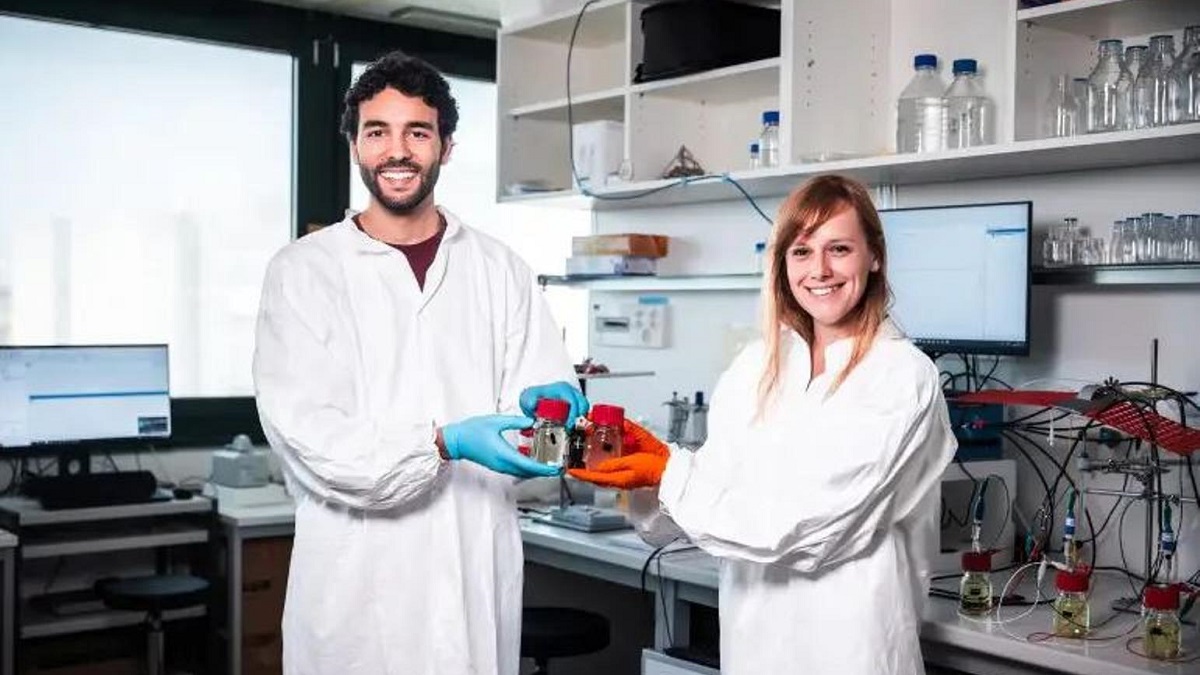
Using a process called extracellular electron transfer (EET), the researchers made the bacteria highly efficient electric microbes, resulting in a three-fold increase in electrical current generation compared to conventional methods.
This achievement involved creating a complete EET pathway within E. coli, a significant feat not previously accomplished.
The engineered E. coli can produce electricity while metabolizing various organic substrates, making it suitable for large-scale waste treatment and energy production.
Additionally, the researchers believe it has potential applications in microbial fuel cells, electrosynthesis, and biosensing, thanks to its genetic flexibility and adaptability to specific environments and feedstocks.
COMPARTE ESTE ARTICULO EN TUS REDES FAVORITAS:

Esta entrada también está disponible en:
 Español
Discover more from Cerebro Digital
Subscribe to get the latest posts sent to your email.