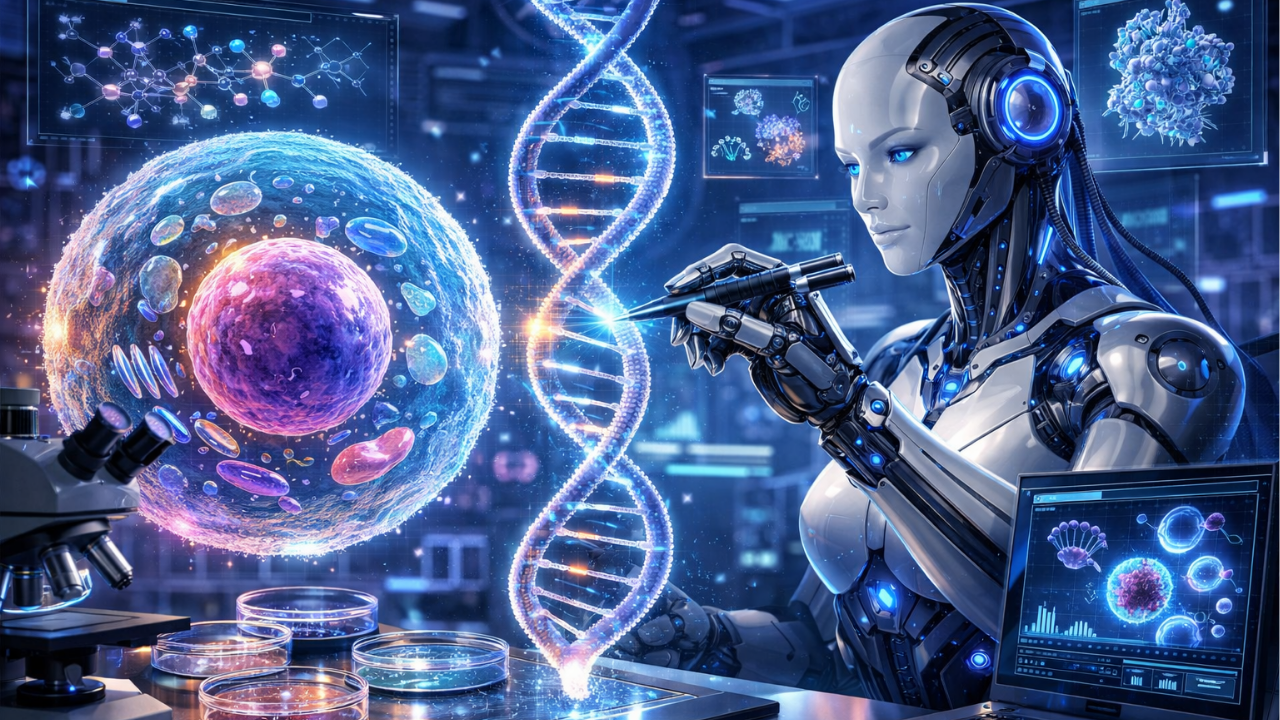


Researchers at the Massachusetts Institute of Technology (MIT) have developed nanorobots capable of locating and eliminating cancer cells without harming healthy tissue. This breakthrough marks a turning point in precision medicine, bringing personalized therapy closer to the molecular level.
Surgical Nanotechnology: A New Approach to Fighting Cancer


In a groundbreaking study published on February 28, 2025, in Nature Nanotechnology, MIT scientists unveiled nanorobots that could permanently transform the way cancer is treated. These devices, each a thousandth the width of a human hair, are programmed to autonomously seek out, identify, and destroy cancer cells without human intervention—and crucially, without affecting surrounding healthy cells.
Unlike traditional treatments such as chemotherapy or radiation, which also damage healthy tissues and cause severe side effects, these nanorobots act like molecular snipers. They recognize specific markers on malignant cells and deliver therapeutic payloads directly inside them. The result: the cancer cell self-destructs, while nearby healthy cells remain untouched.
What’s most innovative about this development is not just the nanorobots’ microscopic size, but their ability to operate autonomously. They require no external guidance; instead, they use molecular logic embedded in their structure. This enables them to make real-time decisions inside the patient’s body, assessing their cellular environment and acting only when a threat is detected.
Preclinical trials in animal models showed promising results: the nanorobots precisely identified tumor cells, disrupted their metabolic processes, and reduced tumor growth without visible side effects. For researchers, this represents an unprecedented technological and medical milestone—where surgery is replaced by intelligent programming at the nanoscale.
Medical and Industrial Implications of Nanorobotics

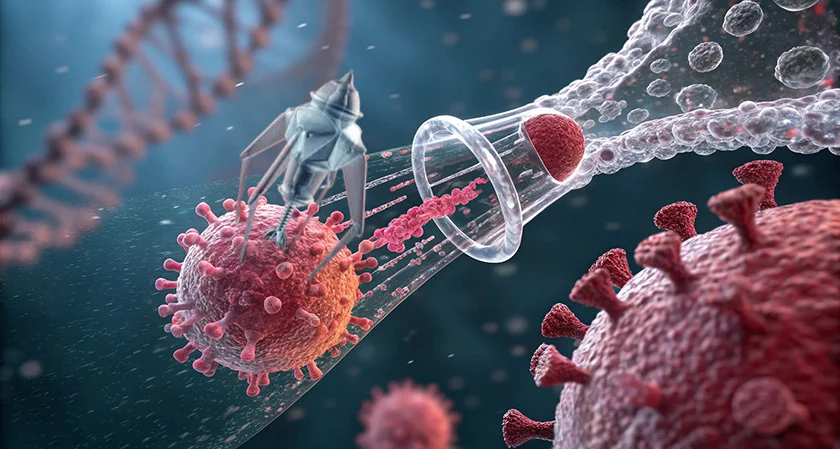
Beyond cancer treatment, this innovation positions nanotechnology as a cornerstone of future medical evolution. The nanorobots’ ability to act with autonomous logic within the human body opens the door to fully individualized therapies, where each device adapts to the patient’s unique biological profile.
Personalized medicine, which until now has relied on genomic data and targeted therapies, takes a qualitative leap forward: these nanorobots could function as active agents in early diagnosis, smart drug delivery, and regenerative medicine. Instead of applying standardized treatments, doctors may soon deploy fleets of programmable nanodevices that analyze, diagnose, and act in real time within the human body.
This breakthrough also has wide-ranging implications for industries such as pharmaceuticals, biotechnology, and medical device manufacturing. The concept of treatments that not only adapt to the patient but evolve dynamically in response to tumor progression or immune response marks a revolution. The era of passive intervention is fading; now, intelligent miniaturized systems make critical decisions inside the human body.
While clinical trials in humans are still some years away, MIT researchers believe the proof of concept is already a milestone. The technology is advancing rapidly, and safety and efficacy studies on real patients are expected to begin in the coming years.
The creation of nanorobots capable of autonomously targeting cancer represents a watershed moment in medical history. What once seemed like science fiction has become a tangible promise: fighting disease from within, cell by cell, without harming the rest of the body. MIT has not only developed a therapeutic tool; it has opened the door to a new era of precision medicine, where the battle against cancer is waged on a nanometric scale.
Reference:
- Nature Nanotechnology/A DNA robotic switch with regulated autonomous display of cytotoxic ligand nanopatterns. Link
COMPARTE ESTE ARTICULO EN TUS REDES FAVORITAS:

Esta entrada también está disponible en:


Discover more from Cerebro Digital
Subscribe to get the latest posts sent to your email.