
Japan took a historic step in energy transition, unveiling the world’s first perovskite cell-based super solar panels—technology promising up to 20 gigawatts by 2040. This equals 20 nuclear reactors’ combined output, marking a clean energy milestone globally.
Super Solar Panel: Efficiency, Flexibility, Sustainability

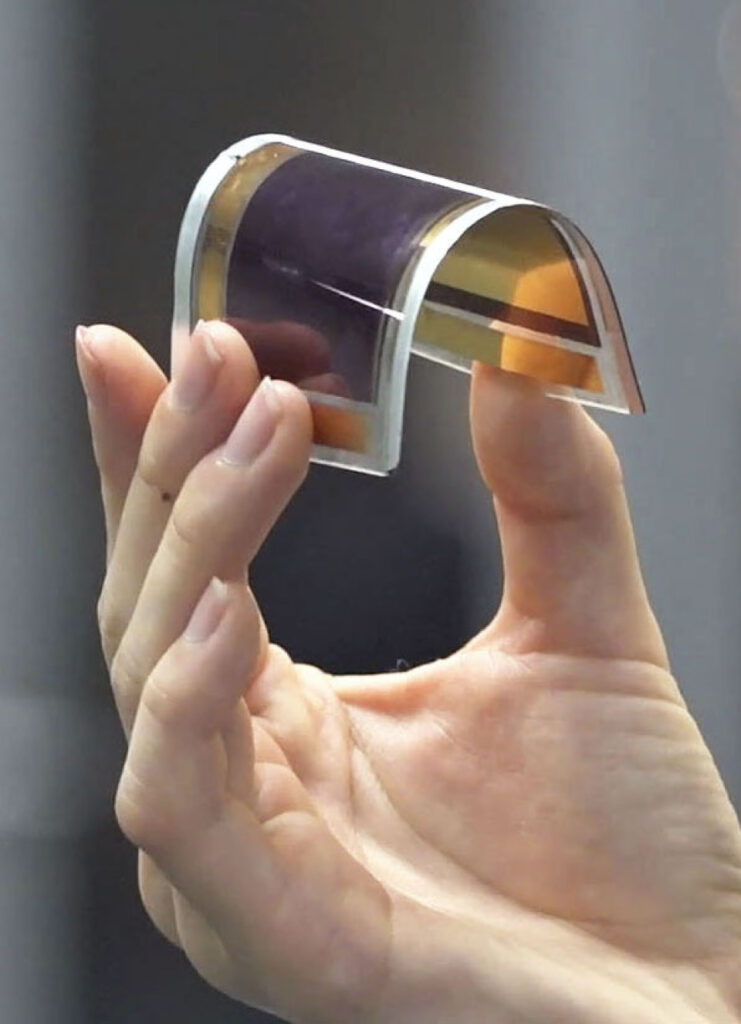
Perovskite solar cells (PSC) herald a photovoltaic revolution. Unlike heavy, rigid traditional panels needing vast land, perovskite superpanels are lightweight, flexible, highly efficient. Installable on previously impossible surfaces: building walls, windows, car roofs, streetlights. For densely populated, land-scarce Japan, this versatility offers practical, scalable solar expansion without massive terrain.
Japan’s Industry Ministry sees it key for bringing solar energy to urban zones once impossible. Innovation boosts renewables while addressing geographic limits toward carbon neutrality.
Bonus: strategic input control. Japan, world’s #2 iodine producer (crucial for PSC), builds robust domestic supply chain—cutting foreign dependence, bolstering energy/economic security amid global volatility.
National Strategy with Forward Vision
Perovskite superpanel bet is state policy, not isolated. December 2023, Industry Ministry formally centered perovskite in new renewables strategy—part of 2050 carbon neutrality plan with bold interim goals: lift renewables from 22.9% to 36–38% by 2030.
Firms like Sekisui Chemical Co. develop commercial PSC solutions for 2030s rollout. Technical hurdles remain (shorter lifespan, higher silicio-panel costs), but outlook brightens. Government projects costs dropping: 20 yen/watt 2025 to 14 yen 2030, targeting 10 yen/watt 2040—unlocking mass adoption domestically/industrially.
Benefits extend globally. Japan aims perovskite tech exporter, refining nationally then worldwide—mirroring past tech leadership. Boosts competitiveness, reclaiming solar sector dominance.
From Fukushima to Solar Leadership: Accelerated Energy Shift

Japan’s solar push roots in 2011 Fukushima disaster. Quake/tsunami triggered century’s worst nuclear crisis, forcing energy reevaluation. Solar use multiplied: from 1.9% energy mix 2014 to near 10% 2024.
Progress notable but insufficient. Main superpanel hurdle: conventional solar farm space shortage. Perovskite shines: adaptability turns buildings, vehicles, urban infra into clean energy generators. Japan flips challenge to opportunity, leveraging architecture/urban density for solar capacity.
Despite excitement, scientists caution PSC needs refinement. Material durability/stability key research areas. Current innovation pace + state/private investment suggests hurdles surmountable soon.
Japan writes renewables history anew with perovskite super solar panels. Tech promises transforming its energy matrix while redefining global efficiency/flexibility/sustainability standards. In carbon-alternative quest, Japan’s strategic vision/innovation may lead cleaner, smarter, decentralized energy future.
Reference:
- Japan Energy/Japan unveils world’s first solar super-panel: More powerful than 20 nuclear reactors. Link
COMPARTE ESTE ARTICULO EN TUS REDES FAVORITAS:

Esta entrada también está disponible en:
 Español
Discover more from Cerebro Digital
Subscribe to get the latest posts sent to your email.