A team of scientists has altered mammalian sexual development via an external variable: iron deficiency. For the first time in modern biology history, a nutritional component has been shown to change an organism’s biological sex, challenging the established belief that this process is governed solely by genetics.
Changing Mammal Sex

Decades of textbooks taught mammalian sex determined exclusively by chromosomes: XX females, XY males. But recent Osaka University biologist Makoto Tachibana-led experiments changed that. His team found severe iron deficiency in pregnant mothers shuts off the SRY gene, responsible for testis formation in male embryos.
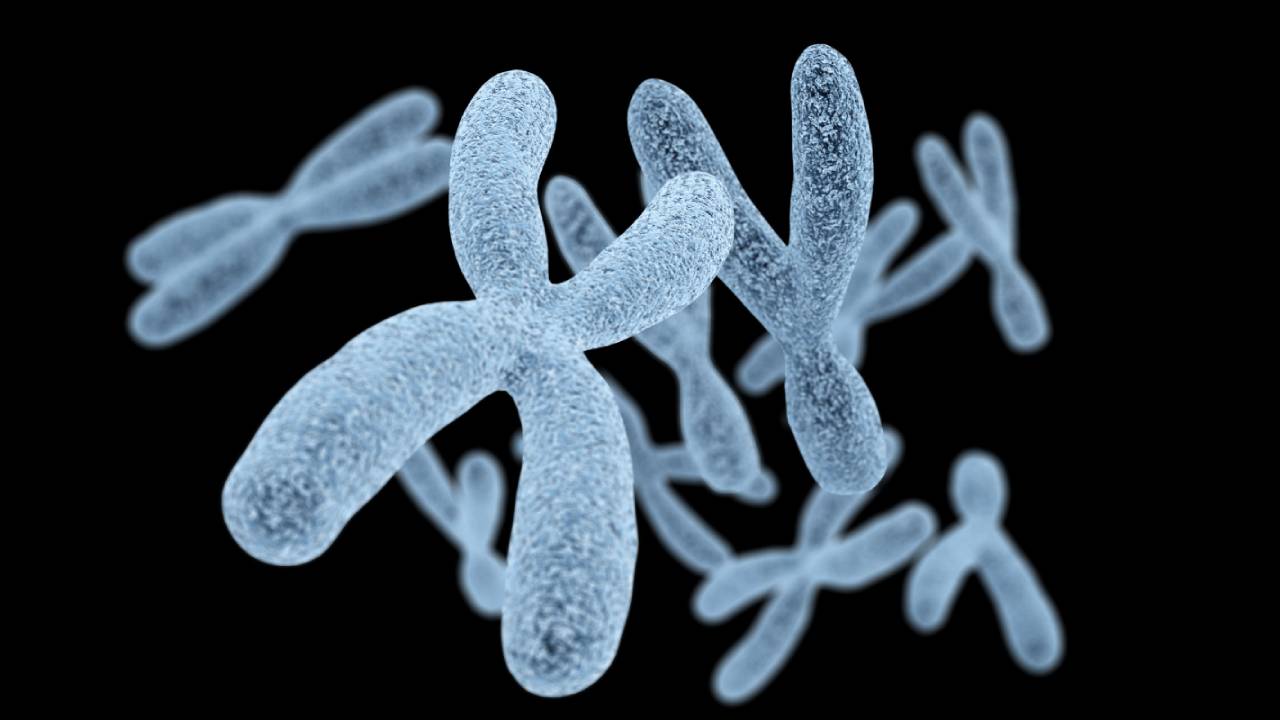
The SRY gene on the Y chromosome initiates male differentiation. Normally activating 6 weeks post-fertilization, it turns undifferentiated gonads into testes if present—otherwise, ovaries develop.
Japanese team discovered 60% iron drop in mammal cells affects KDM3A enzyme—critical for SRY activation. This blocks male process, causing even XY embryos (genetically male) to develop ovaries. Of 39 mouse pups, 6 born with functional ovaries despite male DNA; 1 showed intersex morphology.
Nature publication suggests uterine environment—once seen as external-immune biological sanctuary—altered by nutritional factors like iron. Finding challenges mammalian sex as environmentally insulated (reptiles/fish/insects trait).
Could This Happen in Humans Too?

Though unobserved in humans, Japanese team/experts say not impossible. University of Granada geneticist Francisco Javier Barrionuevo: extreme malnutrition cases might’ve gone unnoticed.
“Spectacular discovering something trivial like iron concentration determines embryo male/female fate.”
Study posits full sex reversals in mammals likely occurred undetected, especially anemia-prone or deficient-diet pregnancies. In humans, likely causes infertility but impacts beyond sex organs—hormonal, neurological, physical development.
Duke’s biologists Shannon Dupont/Blanche Capel warn in opinion piece: iron deficiency links to sex alterations plus fetal brain development. “Makes us wonder if it influences other masculinity traits beyond testis formation.”
Findings bolster epigenetics—environmental factors altering gene expression sans DNA change. Iron indirectly affects genome via key enzyme function, opening maternal nutrition’s unexpected prenatal impact research.
Medical, Ethical, Scientific Implications
Iron deficiency—common/treatable—has profound pregnancy effects. Study suggests revising prenatal nutrition guidelines—not just anemia/infection prevention, but stable fetal sex/endocrine development.
Clinically: heightened monitoring for malnutrition-risk pregnancies. Though undocumented in humans, theoretical possibility may explain “spontaneous”/idiopathic sex development disorders.
Beyond medicine, forces rethinking century-old developmental biology. Genetics long sole sex differentiation driver. Experiment proves biology far more flexible/plastic.
Simple iron flipping male-to-female embryo fate marks developmental science turning point. Likely sparks research on other maternal nutrients/toxins/diseases influencing biological sex/physiological identity fundamentals.
Japanese findings transcend curiosity: open genetics-environment interaction doors. Much mammalian discovery remains, but mouse experiment revolutionizes mammalian sex development understanding. Genetics powerful, but no longer reigns alone.
Referencia:
- Nature/Maternal iron deficiency causes male-to-female sex reversal in mouse embryos. Link
- Nature/Iron deficiency in pregnant mice causes XY embryos to develop with female characteristics. Link
COMPARTE ESTE ARTICULO EN TUS REDES FAVORITAS:

Esta entrada también está disponible en:
 Español
Discover more from Cerebro Digital
Subscribe to get the latest posts sent to your email.