


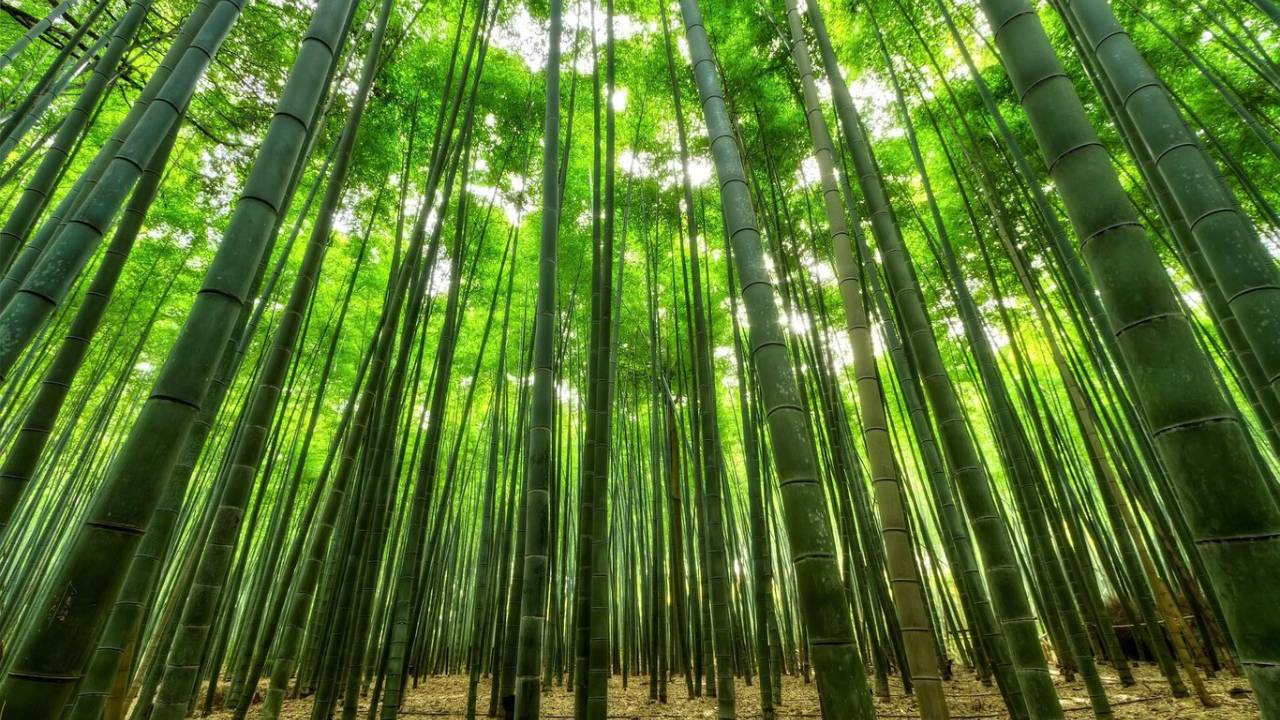
The recent flowering of the black bamboo (Phyllostachys nigra var. Henonis) after 120 years has captured the attention of the scientific community. This rare event has raised concerns about its impact on ecosystems. Researchers from Hiroshima University have discovered that the massive flowering of this species has not produced any viable seeds, sparking questions about its survival and the ecological balance it sustains.
A Unique Phenomenon with Ecological Implications


The black bamboo is a species that flowers only once in its lifetime, an event that occurs approximately every 120 years. After flowering, the plant dies, leaving vast areas completely devoid of vegetation. This phenomenon, mainly recorded in Japan, has been studied since 2020 by a team from Hiroshima University.
Researchers found that although 80% of the specimens analyzed bloomed, none produced viable seeds. This suggests that the species’ reproduction process is more complex than previously thought, and it could face extinction if no regeneration mechanism is identified. The mass death of bamboo has significant effects on ecosystems, impacting the species that depend on these forests for food and shelter.
Furthermore, the sudden disappearance of bamboo causes drastic changes to the soil, increasing erosion and the risk of flooding due to the loss of vegetation cover. This situation worries scientists, as the consequences could affect not only biodiversity but also environmental stability in regions where this plant plays a crucial role in the ecosystem’s structure.
A Challenge for Biodiversity and Conservation

The climate changes triggered by the death of black bamboo may take years to reverse, forcing scientists to consider management strategies to mitigate its effects. According to Yoshihiro Yamada, a researcher at Hiroshima University, the transformation of a bamboo forest into grassland represents a major challenge for biodiversity conservation. The absence of viable seeds adds uncertainty about how this species will naturally regenerate in the future.
This event also disrupts the ecological balance. The death of bamboo affects numerous animal species that rely on it for food and shelter. In particular, species such as the giant panda, as well as various insects and birds, could face severe difficulties after losing a vital resource.
Beyond the ecological impact, the disappearance of large black bamboo forests also affects human activities, especially in Asia, where this plant is used in construction, papermaking, and food production. The reduction of its population could lead to long-term economic and social consequences, prompting researchers to seek solutions to ensure its regeneration in the future.
The mysterious flowering cycle of black bamboo and the absence of viable seeds represent an ongoing puzzle for science. Researchers will continue investigating the causes and consequences of this phenomenon, hoping to develop strategies to preserve both the species and the ecosystems that depend on it.
Reference:
- Hiroshima University/Flowering for naught: 120 years with nothing to show. Link
COMPARTE ESTE ARTICULO EN TUS REDES FAVORITAS:

Esta entrada también está disponible en:


Discover more from Cerebro Digital
Subscribe to get the latest posts sent to your email.


