
Among the many opportunistic animals that can invade our homes, there is a small insect that is particularly attracted to dark and humid areas of our rooms—and we’re not talking about cockroaches.
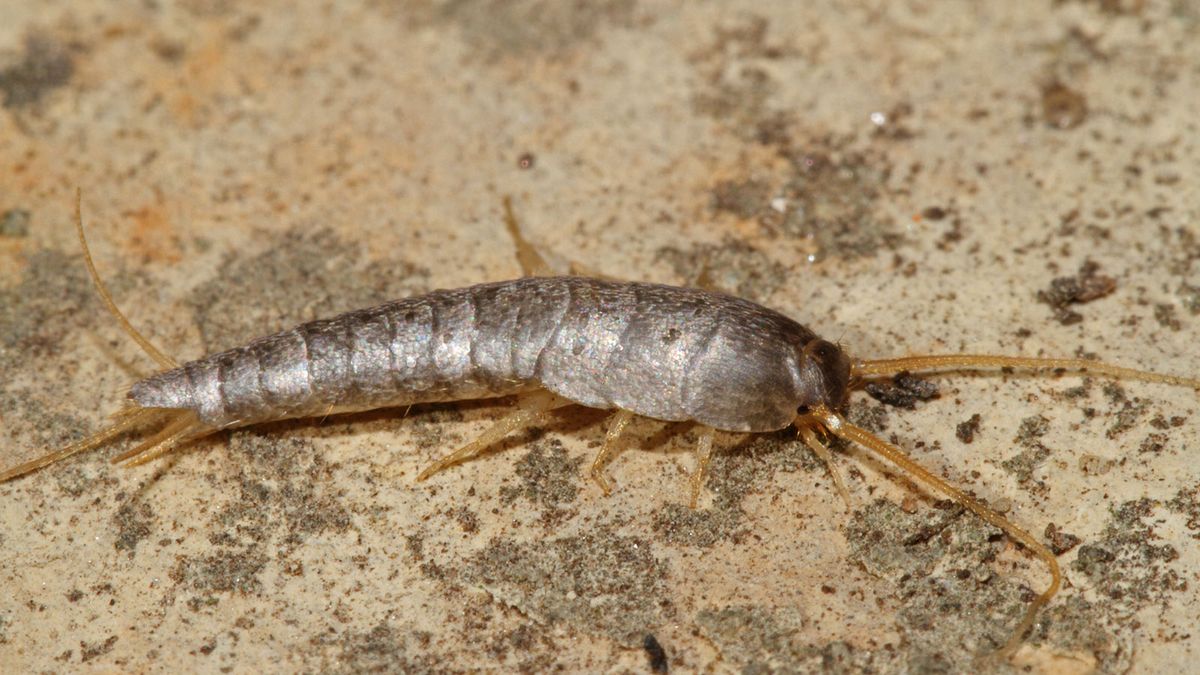
Commonly known as the silverfish, the species Lepisma saccharina is a tiny creature that, although seemingly harmless, can attract much more bothersome pests to your home, such as mites.
What Are They and Where Do They Live?
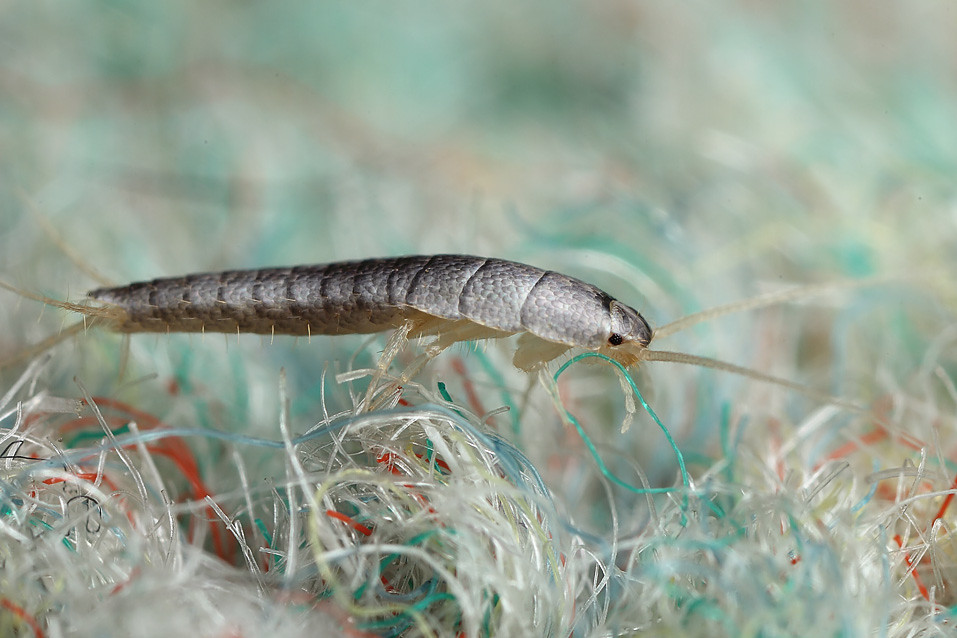
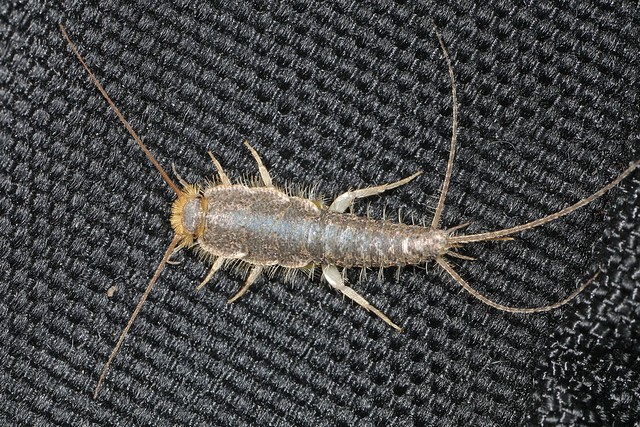
This small insect is also known as the water bug or sugar silverfish. It feeds on organic matter rich in polysaccharides (such as cellulose), which is why it is commonly found under wooden objects or damp paper. Physically, it resembles a centipede, but its body is thinner. It can reach a length of up to 12 millimeters and lacks wings.
Why Should We Avoid Hosting Them?
Silverfish are destructive pests. They can damage wallpaper, eat important documents, deface cherished photographs, chew holes in books, and much more. If they get into your pantry, they may lay eggs in your food, creating the conditions for a very unpleasant meal.
Why Are Silverfish a Problem?
Silverfish can cause damage to homes and property and may even trigger allergies in some individuals. People allergic to silverfish might experience respiratory symptoms.
The scales shed by silverfish contain a protein called tropomyosin, which can combine with other allergens and sometimes cause allergic reactions. Additionally, some individuals may be allergic to silverfish droppings.
These insects can also contaminate food products, such as flour and meat.
According to the National Pest Management Association (NPMA), signs of a silverfish infestation include:
- Feeding marks, such as holes, notches, or etchings on surfaces
- Yellowish stains or scales in affected areas
- Droppings that resemble small black granules
How to Get Rid of Silverfish
There are various methods to deal with a silverfish infestation, including chemical and natural approaches.
Chemical Baits
Silverfish can survive for long periods without eating or drinking, meaning they won’t necessarily be drawn to bait out of hunger.
Insecticides should only be used for large infestations, but they will be ineffective as long as suitable habitats for silverfish remain available.
Even if habitats are eliminated, insecticides may take several weeks to take effect. Experts recommend using sprays that contain the following ingredients for effective silverfish control:
- Synergized pyrethrin
- Bifenthrin
- Cyfluthrin
- Tetramethrin
- Phenothrin
Natural Methods
Some people may prefer to try natural methods before resorting to chemical treatments. In such cases, the first steps involve reducing humidity levels in areas where silverfish thrive.
Using a dehumidifier can lower moisture levels, making the area uninhabitable for silverfish.
If dark spaces are available for silverfish to hide in, cleaning those areas will reduce the number of sheltering spots.
Anecdotal evidence suggests that the following natural ingredients may repel silverfish:
- Cedar shavings
- Cedar oil and water
- Cinnamon
- Cloves
Professional Pest Control
If chemical baits or natural methods fail to eliminate a silverfish infestation, it may be necessary to contact a licensed pest control professional.
The pest control specialist will recommend the appropriate treatment to address the issue effectively.
How to Prevent Silverfish
Reducing the number of suitable environments for silverfish is an easy way to prevent them from entering your home.
Sealing gaps, cracks, and holes in basements, attics, foundations, or exterior walls can help keep silverfish out.
Eliminating any damp areas in the home can also discourage silverfish from settling indoors.
Keeping basements, attics, bathrooms, and kitchens clean and dry will help prevent them from inhabiting these spaces.
Additionally, removing their food sources—such as dust and debris—by cleaning cabinets, pantries, and shelves can make the environment less hospitable for silverfish.
To prevent silverfish from contaminating food, the NPMA recommends storing products in airtight glass or plastic containers.
Natural predators of silverfish include earwigs, centipedes, and spiders. Allowing household spiders to remain in your home can naturally reduce the silverfish population.
Are Silverfish Dangerous?
Silverfish do not bite humans or animals, do not spread diseases, and are not poisonous.
However, they have the potential to spread germs if they enter from the outside and contaminate food.
COMPARTE ESTE ARTICULO EN TUS REDES FAVORITAS:

Esta entrada también está disponible en:
 Español
Discover more from Cerebro Digital
Subscribe to get the latest posts sent to your email.