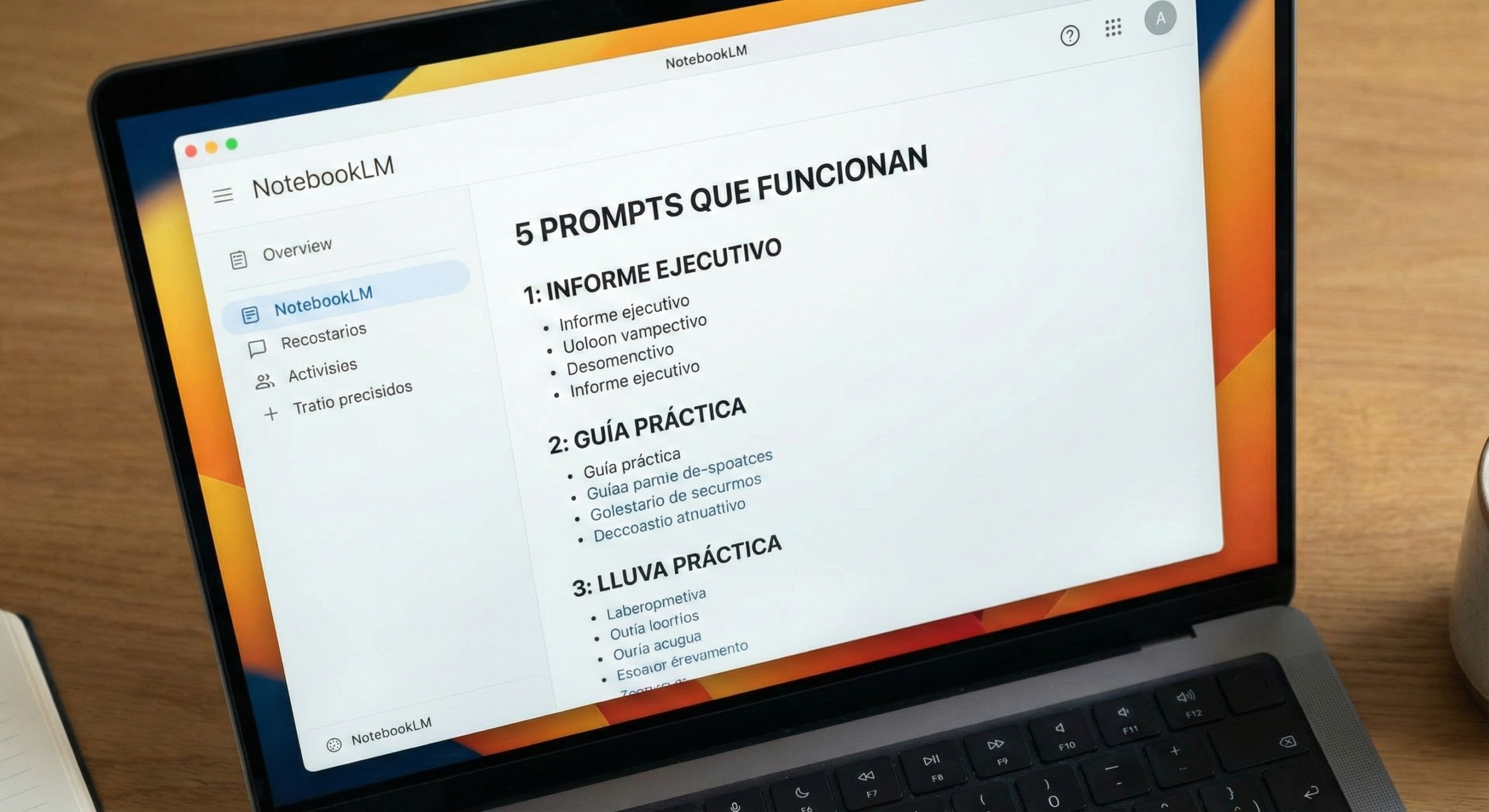

A pioneering MIT study has sounded the alarms: intensive use of ChatGPT not only affects productivity, but could literally be damaging the brain. Through brain scans and data collected over four months, researchers warn of a possible “cognitive bankruptcy” in the AI era.
ChatGPT Weakens Memory and Neural Connectivity

Artificial intelligence promised to make us faster, more efficient, and more productive. However, early clinical results indicate that the price of that promise might be our own ability to think. MIT scanned the brains of 54 heavy ChatGPT users over four months and discovered an alarming phenomenon: 83.3% of participants were unable to recall essays that they had just written minutes before with the help of AI—why? Because the machine thought for them.
EEG scans showed a dramatic drop in neural connectivity: from 79 active connections to just 42, representing a 47% loss. In technical terms, that’s a significant reduction in brain processing capacity. In human terms, it’s as if part of your mind goes inactive after entrusting the work to a machine.
Teachers who reviewed the essays didn’t know which were written with AI, but they picked up a disturbing vibe: they described them as “soulless,” “empty,” and featuring “perfect language but no personal thought.” The human brain, even without explicit evidence, senses when effort is missing behind a text.
But the most unsettling conclusion of the study emerged when comparing chronic AI users with people who had never used it. When asked to write without ChatGPT, AI addicts performed worse than the control group. The issue wasn’t just dependency—it was atrophy. Like a muscle left unused, critical thinking can deteriorate.
Toxic Productivity
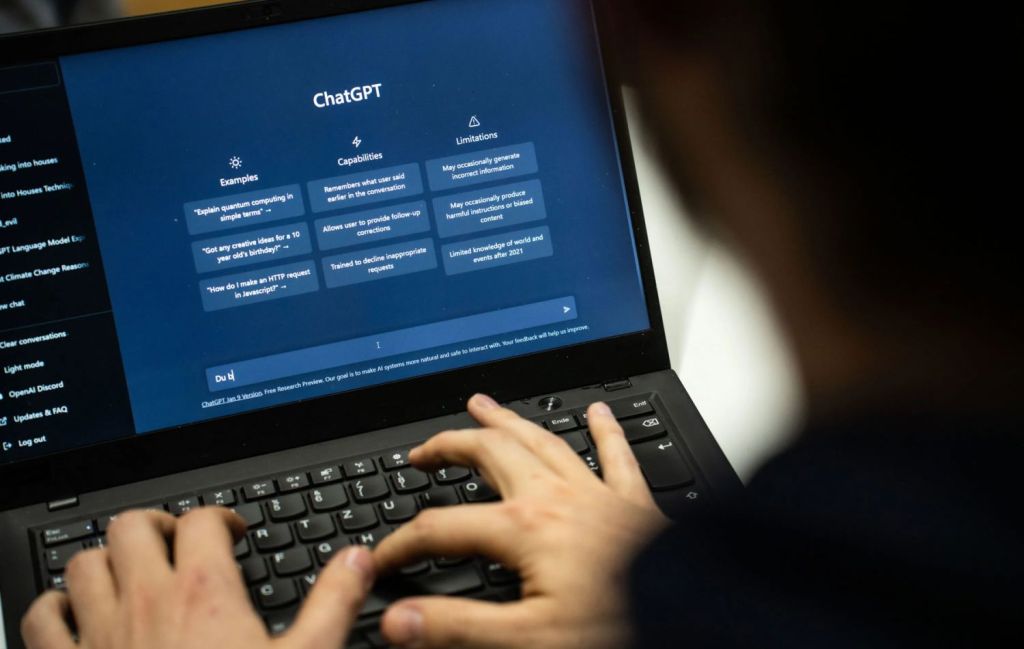
For decades, productivity has been measured by how quickly one completes a task. By that metric, ChatGPT is a success: it enables tasks to be finished 60% faster. But the MIT study shows this view is shortsighted. While AI speeds up immediate performance, it reduces the cognitive load necessary for real learning by 32%.
That cognitive load—the mental effort required to comprehend, analyze, and generate content—is precisely what strengthens the mind over time. Without it, workers may become faster, yet intellectually weaker. Companies celebrating AI as an efficiency engine may unknowingly be cultivating teams incapable of thinking without artificial assistance.
This isn’t just theory—it’s already been named: cognitive debt. According to MIT researchers, it’s analogous to technical debt in software engineering. Each shortcut taken using AI tools like ChatGPT generates “interest” in the form of lost mental skills. And like all debt, there eventually comes a time to pay.
The paradox is brutal: saving time today, but sacrificing capacity for tomorrow. It’s a gamble on immediacy that, if not managed, could leave an entire professional generation with less autonomy, less creativity, and less judgment.
Is It Reversible? What the MIT Study Revealed About Strategic AI Use

Not all is lost. The study’s fourth session brought a ray of hope. Participants with a strong cognitive foundation—meaning good habits of reading, analysis, and independent thinking—showed improvements in their brain connectivity when using AI. In them, ChatGPT didn’t replace the mind—it enhanced it.
Conversely, those who used AI chronically and were then forced to work without it not only performed worse, but appeared mentally disoriented. This suggests the problem isn’t the tool, but how it’s used.
The solution is not to discard AI, but to integrate it wisely with human intelligence. To use AI as an extension of the mind, not a replacement. Achieving that requires training, judgment, and a strong foundation. It’s like lifting weights with support: useful if you already know how to train—but dangerous if you’ve never done it.
The key is to develop what the researchers call a cognitive multiplier: a mind capable of working with AI while still driving the steering wheel. A mind that channels the machine’s impulse while maintaining control. Only then can we avoid cognitive debt and build a healthy relationship with technology.
The MIT study reminds us that, in the AI era, thinking remains essential. ChatGPT can be a powerful ally—but also a silent enemy if used without awareness. True productivity isn’t about doing more—it’s about thinking better. And that effort remains human.
Reference:
- aiXiv/Your Brain on ChatGPT: Accumulation of Cognitive Debt when Using an AI Assistant for Essay Writing Task. Link
COMPARTE ESTE ARTICULO EN TUS REDES FAVORITAS:

Esta entrada también está disponible en:
 Español
Discover more from Cerebro Digital
Subscribe to get the latest posts sent to your email.