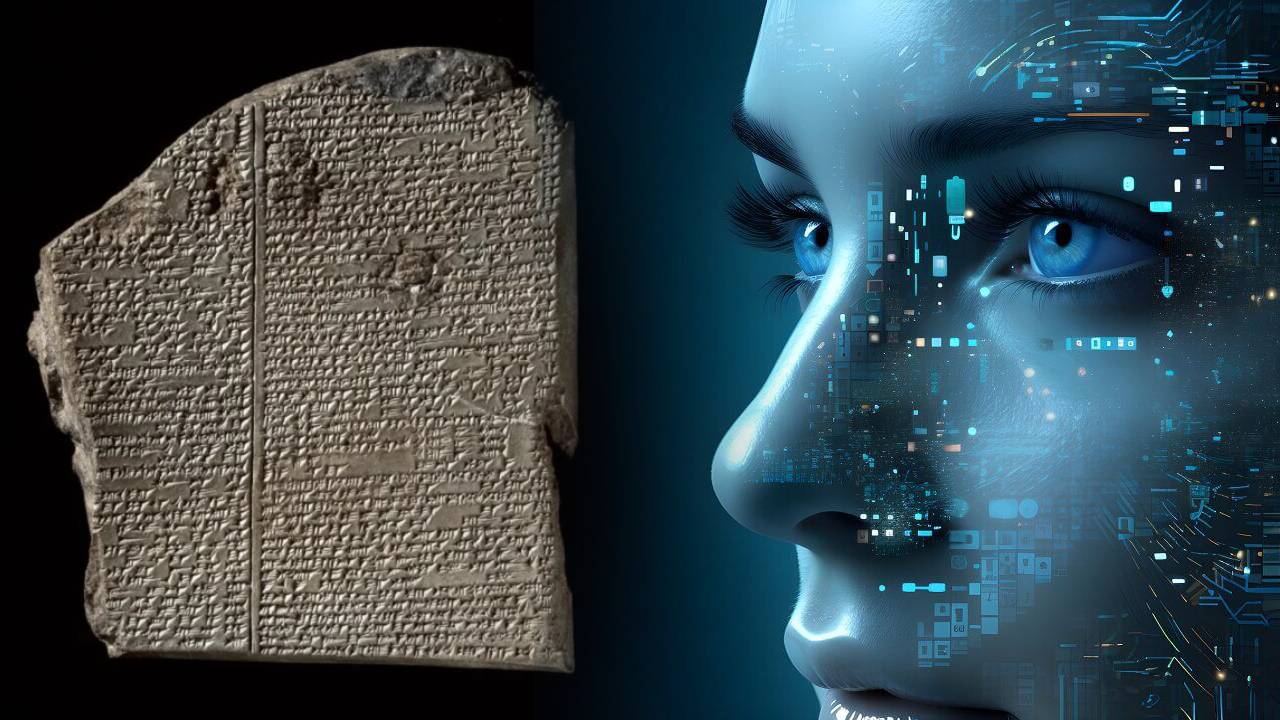
Artificial intelligence (AI) has achieved a new milestone in the history of linguistics and archaeology. A team of scientists from Tel Aviv University has developed a system capable of translating into English texts written in Akkadian, one of humanity’s oldest languages, used in ancient Mesopotamia. Thanks to this breakthrough, thousands of cuneiform inscriptions can now be interpreted, opening a window into the past and allowing a deeper understanding of Babylonian and Assyrian civilization.
Artificial intelligence as a translation tool
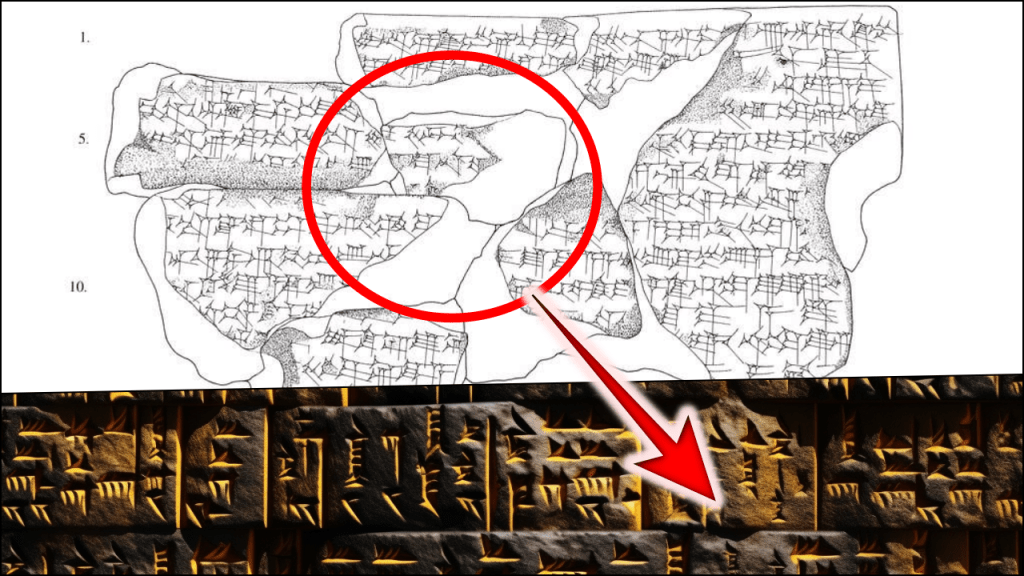
Akkadian is an extinct language that was used by the ancient Assyrians and Babylonians from around 2700 BCE until 75 CE. It was written on clay tablets using cuneiform script, a system of signs that represented words and syllables. For centuries, its interpretation has been a challenge for specialists, as it requires deep knowledge of grammar, historical context, and variations of cuneiform signs.
The discovery of thousands of tablets in archaeological excavations has produced a vast corpus of documents that experts have attempted to translate for decades. However, the process is slow and requires the intervention of a small number of scholars with specialized knowledge.
To accelerate this process, researchers at Tel Aviv University have implemented a neural machine translation (NMT) system. This type of artificial intelligence, based on neural networks, has been successfully used in the translation of modern languages and is now helping to decipher Akkadian more efficiently.
The AI system has demonstrated remarkable accuracy in interpreting ancient texts, allowing direct translation from cuneiform into English without the need for an intermediate transcription. According to the study published in PNA Nexus, the researchers achieved high-quality translations, representing a significant advance in the understanding of this extinct language.
Challenges in automatic translation of Akkadian

Despite the success of the Artificial Intelligence model, scientists faced several challenges. One of the main problems was the condition of the clay tablets, many of which are fragmented or eroded, making the interpretation of cuneiform signs difficult.
Another obstacle was the complexity of the writing system, since some cuneiform signs can have multiple meanings depending on the context. The AI had to be trained with thousands of examples to recognize patterns and make inferences based on the text’s structure.
In addition, due to the lack of an Akkadian-speaking community, translations cannot be validated with native speakers, forcing researchers to rely on the prior knowledge of linguists and archaeologists.
Discoveries and future applications
The texts that have been translated so far include a wide variety of historical documents, such as administrative letters, astrological reports, religious writings, royal rituals, prophecies, and literary works. Each of these documents offers a unique insight into daily life, beliefs, and scientific knowledge of ancient Mesopotamian civilizations.
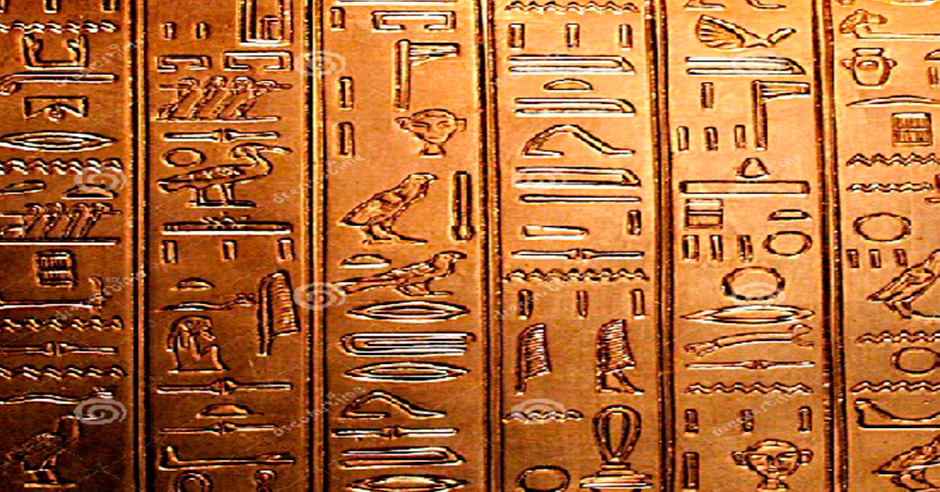
This breakthrough not only benefits archaeology and history, but also has implications for computational linguistics and the development of Artificial Intelligence models applied to dead languages. Researchers hope that this type of technology can be applied to other ancient scripts, such as Egyptian hieroglyphics or Linear B, facilitating the understanding of the origins of writing and the evolution of languages.
The development of an AI capable of translating Akkadian cuneiform marks a turning point in the study of ancient languages. This achievement not only speeds up the process of translating historical texts, but also opens new doors to knowledge of the civilizations that laid the foundations of our history.
As technology advances, it is possible that more extinct languages may be recovered and understood, allowing humanity to connect with its past in an unprecedented way.
Reference:
- PNAS Nexus/Translating Akkadian to English with neural machine translation. Link.
COMPARTE ESTE ARTICULO EN TUS REDES FAVORITAS:

Esta entrada también está disponible en:
 Español
Discover more from Cerebro Digital
Subscribe to get the latest posts sent to your email.